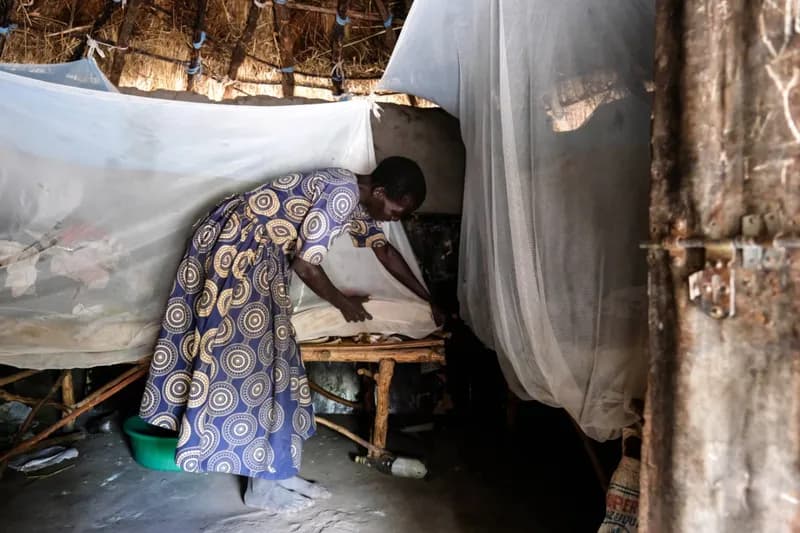
Global climate change may have an unexpected impact on public health in West and Central Africa: a reduction in the incidence of malaria. Rising temperatures could make the environment too hot for the survival of mosquitoes that transmit the disease.
Climatic Impact on Mosquitoes
Studies show that as the global average temperature increases, certain species of mosquitoes that spread malaria may disappear from affected regions. This is because their development and survival are closely tied to specific climatic conditions.
Consequences and Geographical Shifts
Although this trend seems like good news for the mentioned regions, there is also a risk that the malaria problem could shift to other, less affected areas. This requires increased attention from health authorities and the scientific community to prevent the spread of the disease to new regions.