The Robot Caregiver Emergence
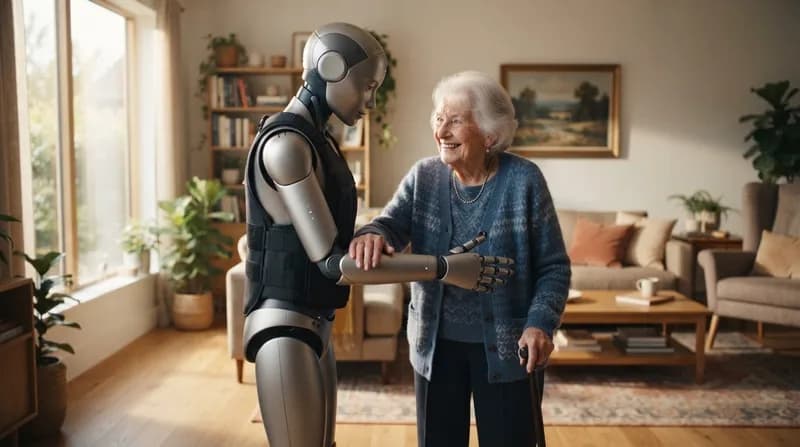
The intersection of demographic shifts and robotics innovation has sparked a new conversation about the future of aging. With the United States currently allocating roughly $400 billion annually to long-term care and facing a severe shortage of labor—where only four formal caregivers exist for every 100 individuals over the age of 65—industry leaders are looking toward humanoid hardware to fill the void. Among the pioneers is Andromeda, the creator of Abi, a humanoid robot specifically designed to provide emotional support and companionship for individuals living with dementia.
The push for these devices is not merely about mechanical utility; it is about addressing the loneliness epidemic among the elderly. By integrating advanced sensors and natural language processing, robots like Abi aim to offer consistent, patient interaction that human staff, often stretched thin by high patient-to-staff ratios, may find impossible to maintain.
Why It Matters
- Resource Optimization: Robots can handle routine monitoring and engagement, allowing human nurses to focus on complex medical interventions.
- Economic Sustainability: Automating parts of long-term care could significantly reduce the $400 billion annual burden on the U.S. healthcare system.
- Safety and Consistency: Humanoid agents provide 24/7 presence, ensuring that medication reminders and wellness checks are never missed.
However, experts caution that the field still faces significant hurdles. Technology leaders from 1X and Nvidia, alongside policy researchers from the Brookings Institution, note that while the hardware is evolving rapidly, real-world application requires rigorous validation. Questions remain regarding the ethical implications of using machines in sensitive emotional contexts and whether these robots can truly replicate the nuanced empathy required for high-quality care. As this hardware moves from labs into early pilot programs, the industry is closely watching whether these machines can balance technical efficiency with the profound human need for authentic connection in our final years.