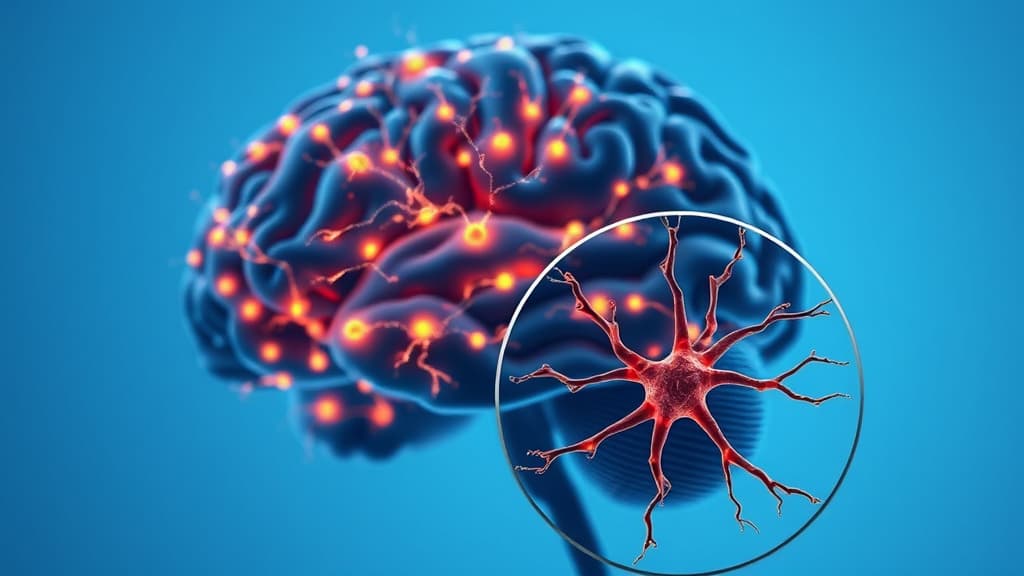
A groundbreaking study by researchers at Nagoya University has made a significant breakthrough in understanding what drives human motivation. The team discovered that a specific group of brain cells, known as orexin neurons, are essential for maintaining motivated behavior, particularly in situations where reaching a reward becomes increasingly challenging.
Key Insights
Orexin neurons have been found to control various vital functions, including sleep, appetite, and energy expenditure. Moreover, these neurons play a pivotal role in regulating and sustaining motivated behavior. The researchers' experiments, which involved blocking orexin neuron activity in rats, revealed a notable weakening of motivation, highlighting the critical importance of these cells in driving goal-directed behavior.