A New Era for the M-Badge
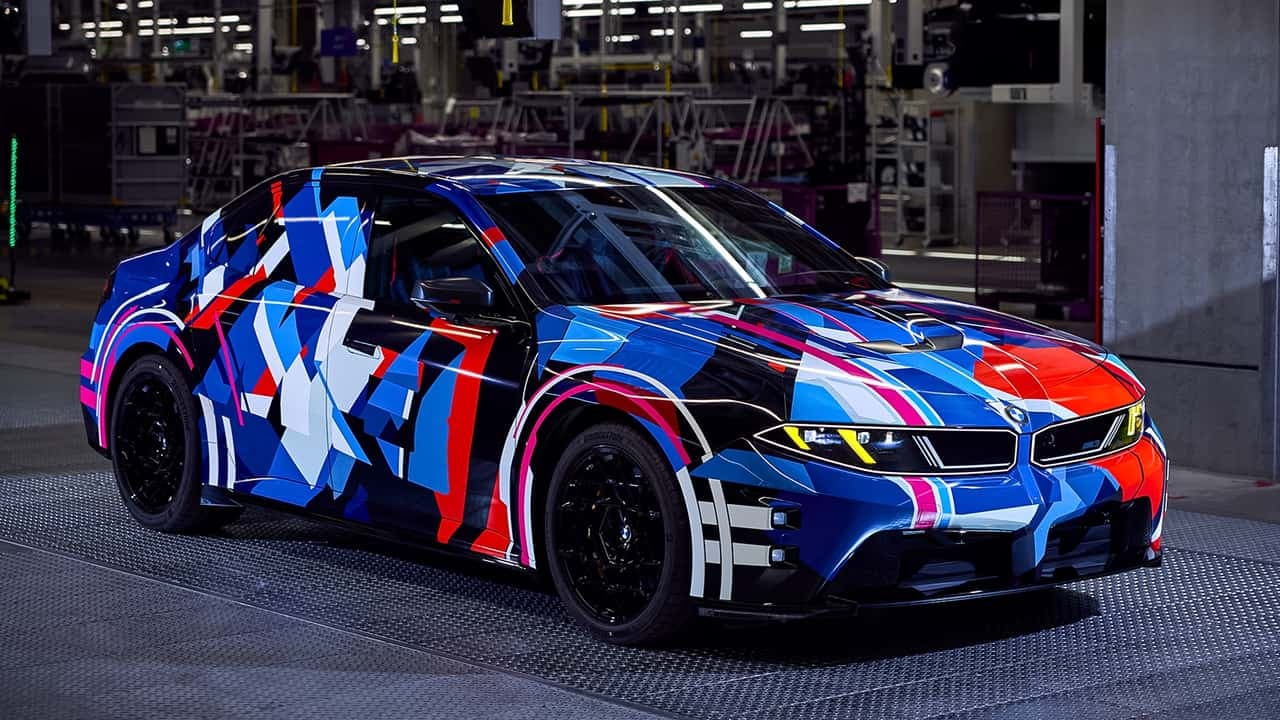
BMW has offered enthusiasts a glimpse into the future of high-performance driving with the latest teasers for its upcoming electric M3. While the vehicle remains wrapped in camouflage, the latest images provide the most definitive look yet at the production-ready body. Drawing heavily from the aesthetic DNA of the 'M Concept Neue Klasse' unveiled earlier this summer, the sedan balances aggressive, track-ready posture with the refined, sophisticated design language expected of a modern BMW. While the extreme aero elements of the concept have been dialed back for daily road use, the car retains an unmistakably muscular stance that separates it from standard electric offerings in the brand's lineup.
Key design highlights include pronounced, flared wheel arches and a vented hood that signals the vehicle’s intent. The lighting architecture remains a centerpiece of the design, featuring the distinct yellow headlight signatures and sharp, squared-off lighting elements that have become a hallmark of the new generation of BMW electric vehicles. By opting for conventional side mirrors and a more restrained trunk profile, BMW is positioning this model as a serious, usable sports sedan that manages to look distinct from the i3 M60 while staying true to its heritage.
The Tech Under the Metal: Quad-Motor Performance
Beyond the exterior, the true transformation of the M3 lies beneath the chassis. The vehicle is built upon a specialized iteration of the Neue Klasse platform, utilizing a quad-motor powertrain that places an independent motor at each wheel. This configuration is not merely about raw output; it is designed to facilitate incredibly precise torque vectoring. By managing power delivery to every corner of the vehicle, the system aims to provide exceptional rotation through tight corners and improved traction during acceleration. While official figures remain under wraps, speculation from industry analysts points toward a total power output nearing 1,000 horsepower, which would set a new performance benchmark for the nameplate.
Addressing the 'soul' of the machine, BMW is taking a unique path regarding the electric M3's acoustic experience. Rather than attempting to synthesize the sound of a traditional internal combustion V-8 engine—a strategy explored by some rivals—BMW engineers have synthesized a soundscape derived from the inherent frequencies of the electric motors themselves. By studying the emotional resonance of iconic M-car engines, they are crafting an auditory experience that provides genuine feedback on speed and acceleration, ensuring the driver feels connected to the vehicle's dynamic capabilities without resorting to mimicry.
Why It Matters
- Performance Parity: By confirming that the electric M3 will share a similar price bracket to its combustion counterparts, BMW is forcing a direct comparison between the two powertrains for the first time.
- Dynamic Control: The quad-motor setup is a leap forward for the M division, prioritizing mechanical precision and handling, which are the core values of the M-series reputation.
- Strategic Transition: This vehicle represents a crucial bridge for loyalists, signaling that BMW is committed to keeping the spirit of the M3 alive in an era defined by electrons rather than gasoline.
As the 2027 production deadline approaches, the pressure is on BMW to prove that an electric M3 can be more than just a straight-line speedster. For the brand to successfully transition its most dedicated performance enthusiasts, the vehicle will need to excel in steering feel, cornering agility, and the intangible joy of the drive. With production slated to begin at the Munich facility in 2027, the automotive world is waiting to see if this quad-motor beast can redefine the performance sedan market.