The Shift Toward Nuclear Power
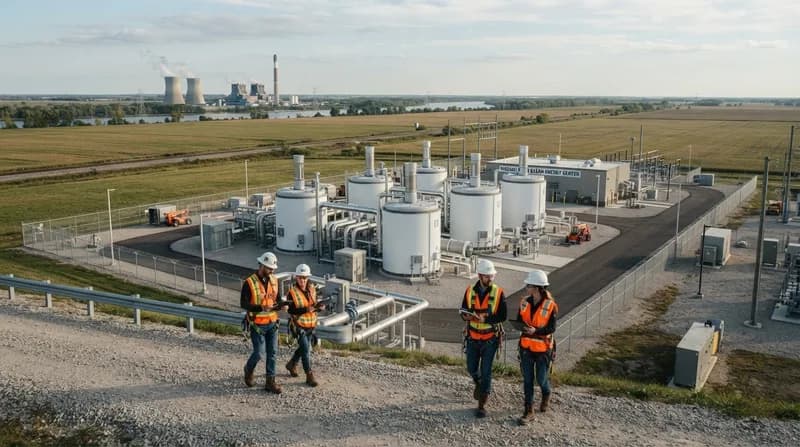
As the demand for computational power continues to skyrocket, Amazon has unveiled plans for a significant investment in next-generation nuclear energy. The tech giant is backing a project to develop small modular reactors (SMRs) in Sullivan County, Indiana, specifically targeting a former coal power plant site. This initiative aims to generate approximately 960 megawatts of grid-connected electricity, a move intended to provide the massive, consistent energy supply required to sustain Amazon's growing network of datacenters.
To bring this vision to life, Amazon is expanding its partnership with X-energy, a startup specializing in SMR technology. The design hinges on the Xe-100 reactor model, which utilizes Tri-Structural ISOtropic (TRISO) fuel pellets and is cooled by helium gas rather than traditional water-based systems. While Amazon has remained tight-lipped regarding the specific dollar amount, it has confirmed that it is committing billions of dollars across various nuclear initiatives to help de-risk and scale these nascent technologies.
Why It Matters
The transition to carbon-free, high-capacity energy sources like nuclear is becoming a critical priority for hyperscalers. With AI-driven data processing demanding unprecedented amounts of electricity, relying on traditional grids—which are currently struggling with capacity—is becoming increasingly unsustainable.
- Energy Independence: By acting as the first customer and a primary funder, Amazon is helping to bootstrap the commercial viability of SMR technology.
- Repurposing Infrastructure: Building on the sites of retired coal plants leverages existing grid connections, which can significantly reduce the lead time and complexity of connecting large power sources.
- Scaling for AI: The 960-megawatt goal represents a substantial portion of the energy needed for future massive-scale cloud computing hubs.
The Challenges of SMR Development
Despite the ambitious scope, the project faces a lengthy road to fruition. Currently, the United States has yet to see a fully operational SMR, and the regulatory path for nuclear construction is notoriously complex. X-energy is currently navigating the permitting process, which is site-specific in the U.S., meaning each facility requires individual approval from the Nuclear Regulatory Commission (NRC). While the company is working toward a construction permit in Texas for a smaller-scale deployment, the Indiana project, featuring a fleet of 12 reactors, represents a much larger engineering and regulatory hurdle.
Timeline estimates suggest that power production could begin as early as the mid-2030s, though observers note that such projections are subject to change based on regulatory timelines and the successful deployment of X-energy's initial units. Amazon has clarified that its role is strictly as an investor and future power purchaser, leaving the complexities of design approval and physical construction to its partners. For now, the project remains an experimental venture into the future of clean, localized power generation for the digital age.