E-BUZZ ME Logo
ScienceTechnical Deep Dive

80-million-year-old snake brain reveals a surprising evolutionary secret

Published
80-million-year-old snake brain reveals a surprising evolutionary secret
1 min read71 words

The Gist

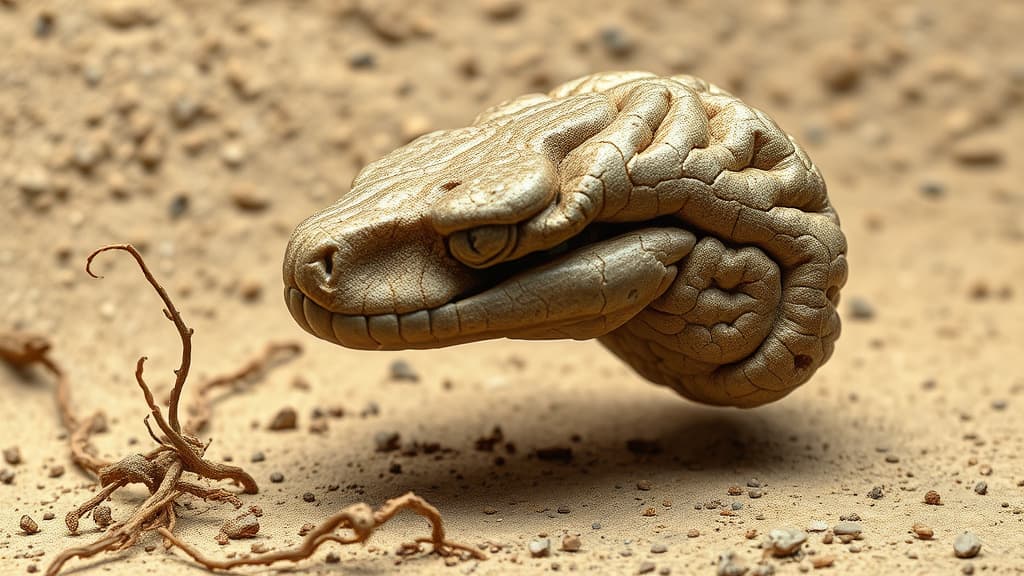
An 80-million-year-old fossil of a snake has revealed that early snakes explored underground, terrestrial, and marine worlds much earlier than scientists realized. The discovery was made possible by a detailed digital reconstruction of the specimen, showing a more diverse and complex evolutionary history.

The discovery of an 80-million-year-old snake fossil has shed new light on the evolutionary history of snakes, revealing that they explored various habitats much earlier than previously thought.

Key Insights

Detailed digital reconstructions of the fossil have shown features of the skull, vertebrae, and brain endocast that indicate adaptations for burrowing, terrestrial, and marine lifestyles, suggesting that early snakes developed different sensory systems and ecological strategies to thrive in these environments.


Related Stories

Semantically matched articles, ranked by topic overlap and freshness.

E-Scooter Safety Crisis: Nearly 500 Children Injured in England Since 2019
Science

E-Scooter Safety Crisis: Nearly 500 Children Injured in England Since 2019

A new study reveals a concerning trend in e-scooter-related injuries among children in England, prompting calls for urgent legislative review and improved public health messaging.

Lifestyle Choices May Prevent Nearly Half of Dementia Cases
Science

Lifestyle Choices May Prevent Nearly Half of Dementia Cases

A recent long-term brain study reveals that common risks such as smoking and high blood pressure are strongly linked to vascular dementia, suggesting that healthier lifestyle choices could help delay dementia. By adopting healthier habits, individuals may be able to reduce multiple forms of brain damage and lower their risk of developing dementia.

Cosmic Double Header: Solar Eclipse and Perseid Meteor Shower Arrive on the Same Day
Science

Cosmic Double Header: Solar Eclipse and Perseid Meteor Shower Arrive on the Same Day

August is shaping up to be an exciting month for stargazers, with a solar eclipse and the peak of the Perseid meteor shower occurring on the same day, accompanied by other notable celestial events. The combination of a dark New Moon and the Perseid meteor shower promises to be especially spectacular, making this an unforgettable month for sky enthusiasts.

Trump's Executive Order Sparks Controversy Over Reduced Childhood Vaccines
Science

Trump's Executive Order Sparks Controversy Over Reduced Childhood Vaccines

A new executive order signed by President Donald Trump reduces the number of routine childhood vaccines from 17 to 11, sparking criticism from doctors who argue the move is not based on scientific evidence. The order has been met with opposition from medical groups, who claim it could lead to increased costs for families and create barriers to vaccine access.

Brain Cells That Keep You Motivated Discovered
Science

Brain Cells That Keep You Motivated Discovered

Researchers at Nagoya University have identified orexin neurons that play a crucial role in sustaining motivated behavior, especially when rewards become harder to achieve. The study's findings suggest a new target for understanding why people struggle to sustain goal-directed behavior, shedding light on the neural mechanisms behind motivation.

Europe’s Wildfires Became So Intense They Created Their Own Storm
Science

Europe’s Wildfires Became So Intense They Created Their Own Storm

Historic wildfires in Spain and France have scorched huge areas, forcing hundreds of thousands to evacuate and destroying homes. The fires, fueled by severe heat, drought, and strong winds, have created rare fire clouds, including a pyrocumulonimbus in France.

Weedkiller Disrupts Honeybee Brains: Glyphosate's Alarming Impact
Science

Weedkiller Disrupts Honeybee Brains: Glyphosate's Alarming Impact

Researchers at Virginia Tech have found that glyphosate, a widely used herbicide, can interfere with honeybee foraging and may undermine the long-term stability of colonies. Exposed bees showed a 13 percent decline in foraging activity after only three days, suggesting a disturbing impact on their neurochemical balance.

Atlantic Ocean Current Defies Expectations, Stays Strong Despite Weakened Lifeline
Science

Atlantic Ocean Current Defies Expectations, Stays Strong Despite Weakened Lifeline

New research reveals that the Atlantic Meridional Overturning Circulation (AMOC) can remain strong even when the Agulhas Leakage, a major ocean lifeline, weakens, challenging traditional assumptions about their relationship. The study's findings suggest that the AMOC can adapt to climate changes, contrary to long-held scientific beliefs.