The Microbiome Connection
A recent study published in the European Respiratory Journal has uncovered a significant breakthrough in our understanding of long COVID. By analyzing data from 771 participants treated for COVID-19 at 38 U.K. hospitals, researchers have identified a clear link between the severity of persistent symptoms and the microbial landscape of the mouth and lungs. The study, part of the extensive PHOSP-COVID project, offers a fresh perspective on why some individuals suffer from debilitating, multi-organ complications long after their initial infection.
Led by a team from the University of Dundee, the researchers categorized participants into four distinct groups based on their condition five months post-hospitalization: very severe, severe, moderate, and mild. By collecting saliva and sputum samples and employing DNA sequencing, the team mapped the microbial diversity of each patient. The results reveal that those experiencing the most severe long-term impairments possess a fundamentally different microbial profile compared to those who achieved a more successful recovery.
Linking Microbes to Systemic Symptoms
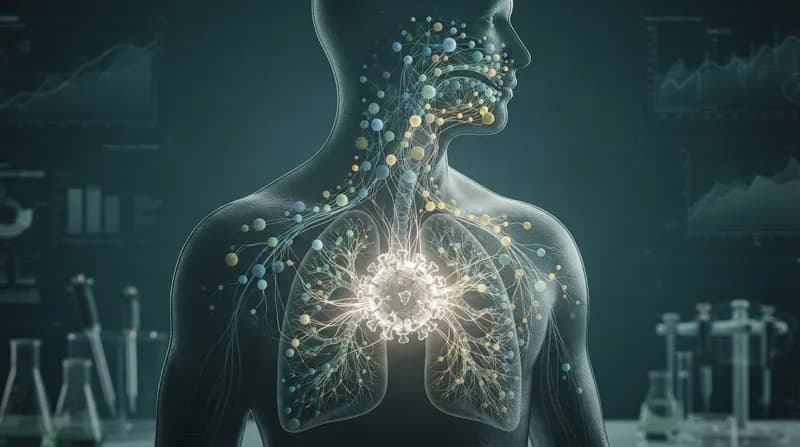
Perhaps the most compelling finding is that these microbial signatures correlate not just with respiratory function, but with the systemic nature of the condition. Patients suffering from the 'very severe' phenotype—characterized by cognitive impairment, brain fog, and digestive distress—exhibited specific shifts in their airway and oral flora. Notably, researchers observed an overabundance of lactic acid-producing bacteria, which was also associated with increased markers of inflammation in patient blood samples.
This suggests that the lung microbiome may act as a catalyst for symptoms that extend far beyond the respiratory tract. The potential for these bacteria to influence neurocognitive functions and gastrointestinal health highlights the intricate, interconnected nature of human biology. While the study does not yet prove whether these microbial shifts precede the infection or occur as a consequence of it, the data provides a strong foundation for new therapeutic approaches.
Why It Matters
- Diagnostic Potential: Identifying microbial markers could help clinicians predict which patients are at the highest risk for developing chronic, severe long COVID symptoms early in their recovery process.
- New Treatment Avenues: Because the microbiome is dynamic, it may be possible to intervene using targeted probiotics, antibiotics, or dietary adjustments to shift the internal environment back toward a state of health.
- Systemic Insight: The research bridges the gap between local lung infection and systemic, multi-organ disease, providing a unified theory for symptoms like brain fog and gut pain.
The Path Toward Clinical Application
Despite these promising findings, the path to clinical treatment remains under construction. Experts stress that further longitudinal research is necessary to confirm whether these microbial changes are causative or merely a byproduct of the body's post-viral state. The scientific community is now focused on understanding the long-term evolution of these microbial profiles and whether they naturally revert to baseline over time.
As the PHOSP-COVID project continues to investigate the mechanisms of inflammation and potential recovery pathways, this study serves as a critical milestone. By shifting the focus toward the complex ecosystem of bacteria within our airways, researchers are opening the door to innovative strategies that could eventually alleviate the burden of this complex condition, offering renewed hope for millions affected worldwide.