Scaling Through Sales and Partnerships
Chinese electric vehicle manufacturer Xpeng has reported a significant financial upswing for the third quarter of 2026, reaching a total revenue of approximately 3.1 billion euros (24.28 billion yuan). This performance marks a 19.1 percent increase compared to the same period in 2025, signaling that the company’s efforts to balance mass-market delivery volume with high-value technology partnerships are gaining traction. Between July and September, Xpeng successfully delivered 118,390 vehicles, representing steady growth against both annual and quarterly benchmarks.
Management attributes this revenue surge to an improved model mix and higher average selling prices, reflecting a shift toward premium offerings. CEO He Xiaopeng highlighted that the firm has entered a period of rapid growth supported by a stable of "blockbuster models" and a broad international expansion strategy. While the company continues to operate at a loss, the focus remains firmly on long-term scaling, cost optimization, and leveraging its proprietary technological edge.
The Volkswagen Collaboration
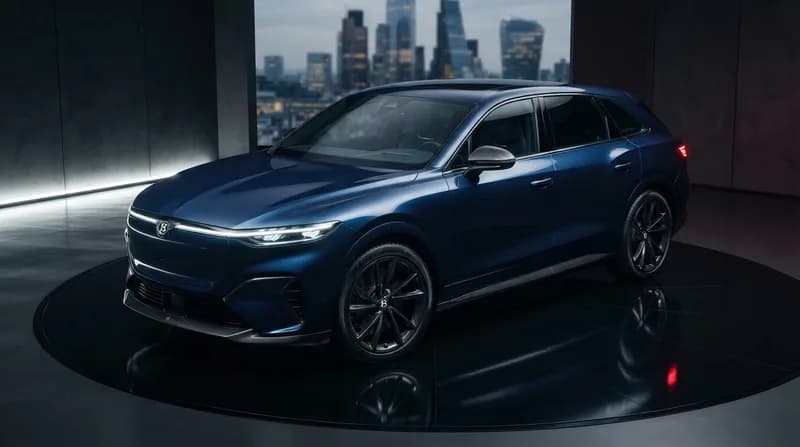
A cornerstone of Xpeng’s financial strategy remains its deep-rooted partnership with Volkswagen. The relationship, which includes a five percent stake held by the German auto giant, continues to reshape how Xpeng generates revenue outside of traditional car sales. The collaboration focuses on developing the China Electronic Architecture (CEA) and integrating Xpeng’s advanced software and hardware platforms into Volkswagen’s regional lineup, exemplified by models like the ID. UNYX 08.
While revenue in the "Services and Others" segment saw a minor quarter-on-quarter dip due to the specific timing of project milestones, the long-term outlook for this segment remains strong. Xpeng is now looking to scale this business model by offering its R&D services and intellectual property to additional manufacturers. This "Xpeng AI Engineering" initiative represents a strategic pivot, aiming to monetize the firm’s expertise in AI chips, large-scale AI model training, and specialized infrastructure beyond its own vehicle catalog.
Financial Outlook and Future Projections
Despite the revenue gains, Xpeng continues to navigate a complex cost environment. The company reported a net loss of 110 million euros, though this is a notable improvement over the 170 million euro loss recorded in the second quarter of 2026. Higher expenditures in research and development—up 17.5 percent year-on-year—reflect heavy investment in next-generation vehicle platforms and the underlying artificial intelligence systems essential for autonomous driving.
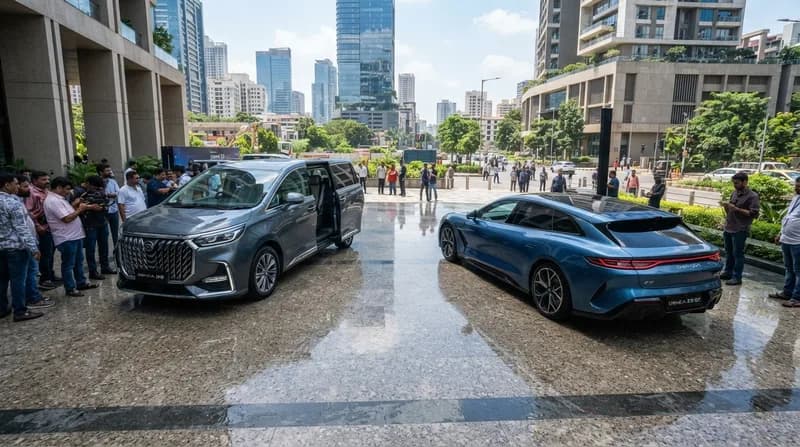
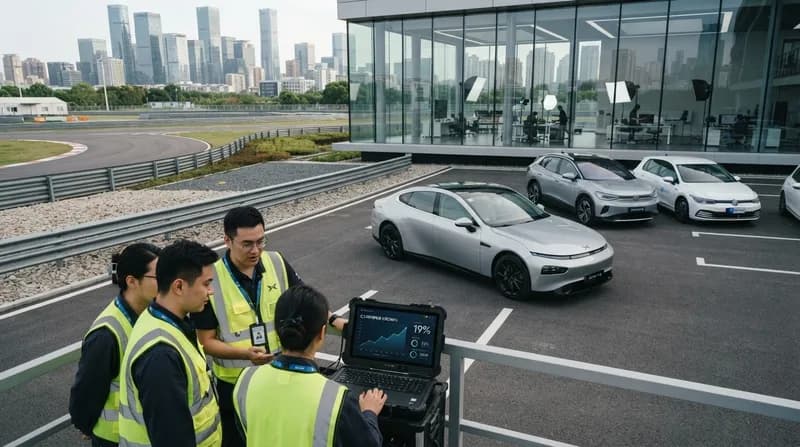
The company enters the final quarter of the year with a strong tailwind, projecting record-breaking delivery numbers between 169,000 and 174,000 vehicles. This expected surge is largely pinned on the ramp-up of new models like the L03 mid-size SUV, which has already begun European deliveries. As Xpeng shifts into a more aggressive expansion phase, the combination of high-volume vehicle production and the licensing of its software stack is expected to define its financial trajectory well into 2027.
Why It Matters
- Diversification: By moving from pure car manufacturing to a tech-licensing firm, Xpeng is lowering its dependency on volatile vehicle margins.
- AI Integration: Xpeng is positioning its R&D infrastructure—including proprietary AI chips—as a core product for other global automakers.
- Regional Expansion: The successful launch of the L03 in Europe serves as a blueprint for the company’s broader international growth strategy.