The Robotaxi Behavioral Gap
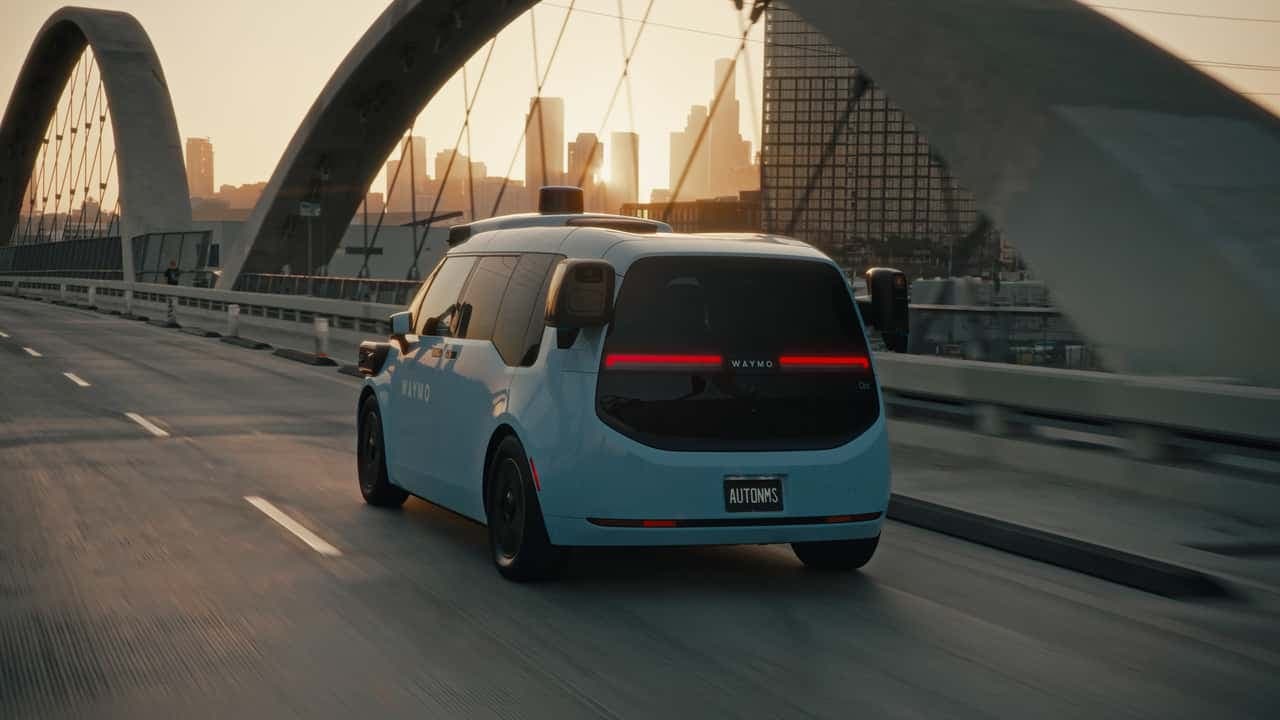
Waymo has initiated a software-based recall for its autonomous vehicle fleet following a series of incidents involving complex, human-led traffic situations. The move comes as regulators and the company itself acknowledge a fundamental hurdle in the progression of self-driving technology: the transition from following rigid, rule-based infrastructure to interpreting the fluid, social nuances of human-controlled road environments.
The recall specifically addresses two recurring challenges that have proven difficult for the company’s current software stack: navigating closed freeway lanes and responding correctly to manually controlled intersections. These issues recently led to Waymo suspending all interstate operations across the United States. While the fleet remains functional on surface streets, these limitations demonstrate that while AI can master predictable traffic patterns, it struggles with the spontaneous, ad-hoc instructions provided by law enforcement or construction crews.
The Breakdown of Social Driving
The core of the issue lies in the fact that driving is not merely a process of adhering to stop signs and lane markings. It is an inherently social activity. Humans constantly engage in non-verbal communication, such as waving a driver through a four-way stop, riding the edge of a lane to signal an aggressive merge, or making eye contact to establish intent at a busy crossing. Current autonomous systems, including Waymo’s, are highly effective at operating within the strict confines of legal rules but often falter when those rules are superseded by human authority.
A prime example cited in the recall is the challenge of the "rolling road block" or "traffic break" frequently used by California Highway Patrol. When officers weave across multiple lanes to slow traffic for safety, common human sense dictates that one should slow down and fall in line. In contrast, autonomous systems may attempt to identify a path forward, essentially trying to bypass the police maneuver. This lack of situational awareness—the inability to perceive that a flashing, swerving police vehicle is actually providing a command to stop—is a critical gap that necessitates this latest software patch.
Why it Matters
- Beyond Infrastructure: The recall proves that for Level 4 autonomy to be truly safe, vehicles must transition from "rule followers" to "social navigators" capable of interpreting intent.
- Safety Protocols: By voluntarily suspending highway operations, Waymo is prioritizing the safety of road workers and emergency responders while it refines its behavioral algorithms.
- Regulatory Pressure: As seen with the recent California freeway bans, regulators are losing patience with autonomous vehicles that struggle to adhere to atypical, high-stakes traffic interventions.
The Path to Better Navigation
The solution to these challenges will likely require a shift in how these models are trained, moving toward a more holistic understanding of human body language and traffic flow context. Addressing the nuances of a construction worker waving a car through a chaotic intersection or a police officer directing traffic during a utility outage requires the AI to recognize when traditional digital map data and traffic lights no longer apply.
As Waymo deploys this software update, the focus remains on closing the gap between machine precision and human social intelligence. Each recall serves as a learning milestone, gradually transforming these vehicles from rigid algorithms into more intuitive road users. While the industry is clearly far from achieving a human-like level of social intuition on the road, these software interventions are the essential, if iterative, steps toward wider public trust and operational reliability.