The Stall in the Golden Market
For months, gold has served as the bedrock of investor confidence, yet the metal has recently found itself in a frustrating state of equilibrium. The rally that defined much of the year has stalled, largely due to the Federal Reserve's persistent hawkish stance. As real interest rates climb, the opportunity cost of holding non-yielding assets like gold has increased, effectively squeezing the life out of its recent momentum. Market volatility, once a driver of gold’s appeal, has collapsed as investors wait for clearer signals regarding future monetary policy.
Copper: The New AI Proxy
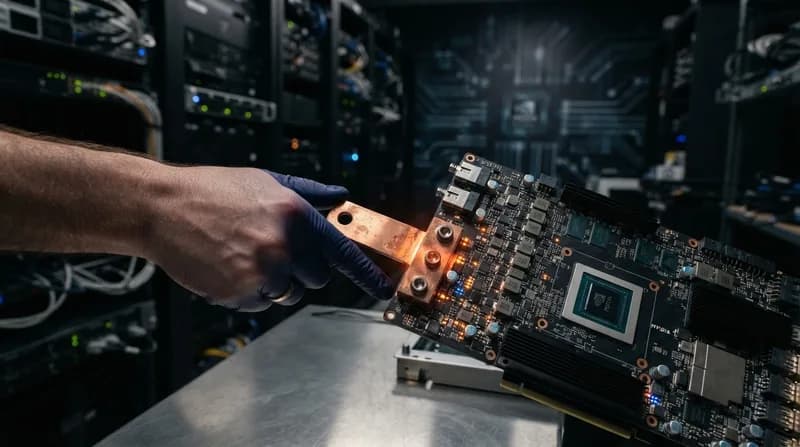
While gold struggles, a different metal is capturing the attention of those looking for high-beta exposure to the equity markets: copper. Often viewed as a bellwether for global industrial health, copper has transitioned into a strategic asset directly tied to the artificial intelligence trade. The massive infrastructure requirements for AI—including vast server farms, sophisticated cooling systems, and expansive power grids—rely heavily on copper’s superior conductivity.
Investors are increasingly using copper as a proxy to bet on the continued expansion of AI data centers and the hardware supporting them. Unlike gold, which is tethered to macroeconomic sentiment and central bank maneuvers, copper is finding its footing in the physical reality of the tech supply chain. This shift signals a broader trend where industrial commodities are becoming essential components of digital investment portfolios.
Why It Matters
- Interest Rate Sensitivity: Gold remains trapped by high real yields, limiting its short-term upside.
- Industrial Demand: AI infrastructure demands immense amounts of copper, decoupling the metal from traditional manufacturing cycles.
- Market Signals: The narrowing spread between gold and silver suggests a cooling in the precious metals sector, encouraging traders to seek growth elsewhere.
As the market continues to recalibrate, the focus is shifting away from traditional safe-haven hedges and toward the foundational materials required to build the future of computing. Whether this trend persists depends on how efficiently the industry scales its AI hardware capacity over the coming quarters.