The End of the "Learn More" Shortcut
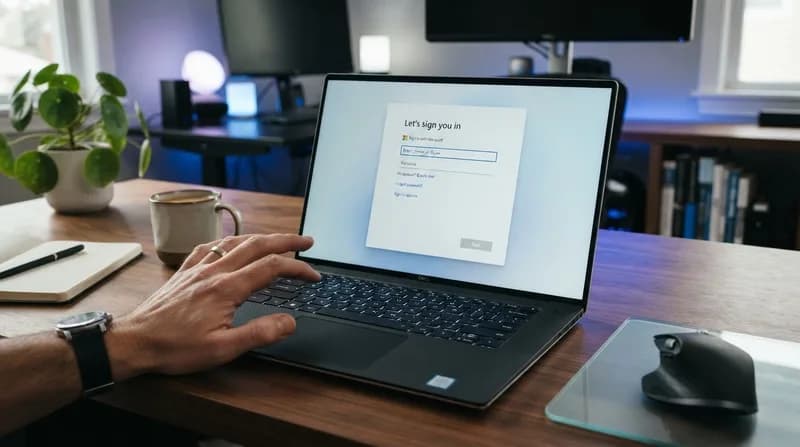
For years, power users and privacy-conscious individuals have relied on a simple but effective workaround to circumvent Microsoft's strict requirement for an online account during the Windows 11 Out-of-Box Experience (OOBE). By clicking a 'Learn More' link at the account prompt, users were previously able to trigger a bypass that allowed them to proceed with a local account setup. This method provided a straightforward path for those who prefer to keep their machine environment independent of Microsoft's cloud ecosystem.
However, recent reports confirm that Microsoft has effectively shuttered this pathway. The change was implemented via a server-side update, meaning the bypass no longer functions even on fresh hardware installations. The discovery, initially highlighted by Windows enthusiast Bob Pony, marks the latest development in an ongoing game of digital cat-and-mouse between Microsoft and users seeking to maintain a local-first computing experience.
Why it Matters: The Account Requirement Debate
Microsoft has increasingly tightened its grip on the Windows ecosystem, necessitating a Microsoft account for both Home and Pro editions during the initial setup process. This requirement serves as a gateway to integrated services like OneDrive, Microsoft 365, and personalized cloud settings. For many, this is a standard convenience, but for others, it represents a loss of control over their local device.
While the 'Learn More' shortcut was the most accessible method for bypassing this check, its removal highlights the widening gap between users who value integrated cloud services and those who prioritize local autonomy. While alternative workarounds exist—typically involving more complex command-line interventions—these remain inaccessible to the average consumer who simply wants to get their computer running without signing their data into a corporate cloud profile.
The Future of Local Accounts
Microsoft's decision to patch this server-side suggests that the company is committed to ensuring that its vision of a unified, account-based OS is the default state for every user. While this may improve security and service continuity for the average person, it has sparked criticism from those who argue that operating systems should offer a clear choice between cloud-connected and local-only configurations. As of now, the removal of this bypass forces users to either comply with the account mandate or seek out more technical, unofficial installation scripts. As the industry watches, it is highly likely that new bypass methods will be discovered, continuing the cycle of patching and discovery that defines modern software administration.