The Era of Paid Parking
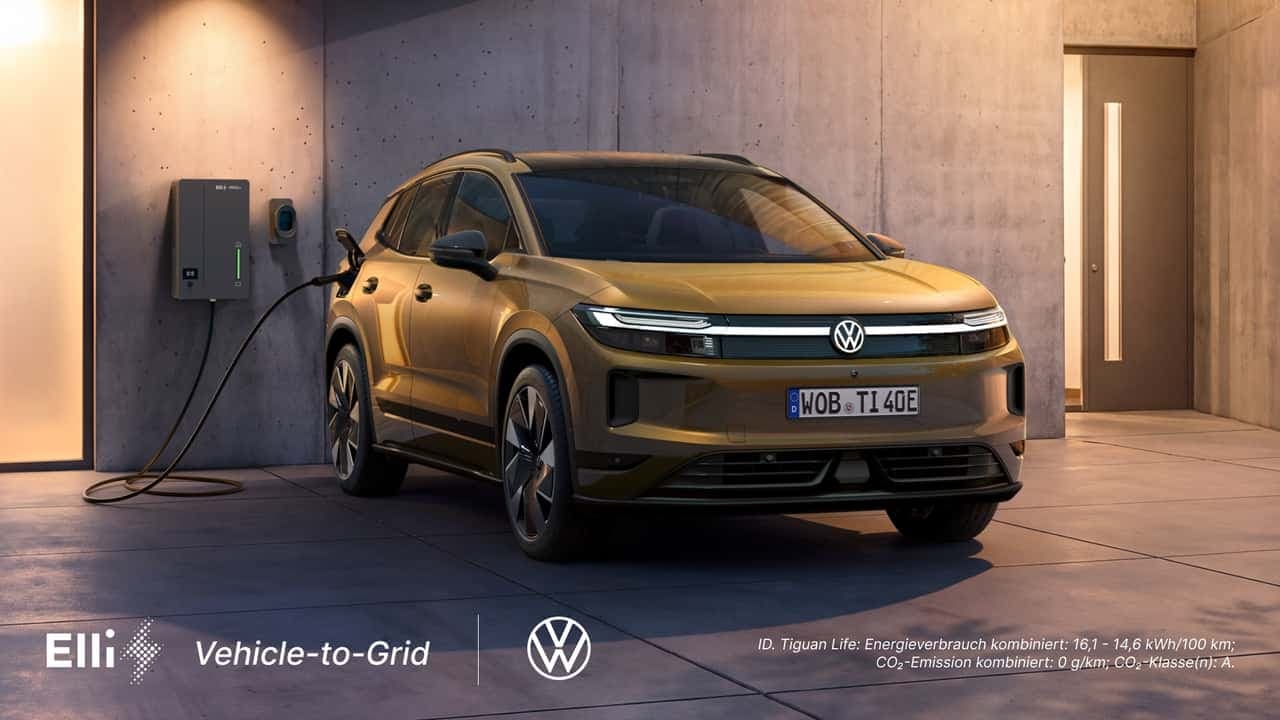
In a significant shift for the electric vehicle market, Volkswagen’s charging subsidiary, Elli, has announced an innovative program that transforms the humble act of plugging in a car into a source of recurring income. Starting this December, eligible EV drivers in Germany can earn financial rewards simply by keeping their vehicles connected to a home charger. The program marks a major milestone in the commercialization of Vehicle-to-Grid (V2G) technology, signaling a future where the electric vehicle serves as a critical, revenue-generating component of the national energy infrastructure.
The financial structure is refreshingly straightforward: users earn €0.24 for every hour their vehicle remains plugged in, provided the session lasts for at least three hours. By managing the charging and discharging cycles through the Elli app, the system ensures the vehicle is ready for the driver’s needs while simultaneously acting as a distributed battery for the grid. This effectively turns a dormant asset—a car sitting in a garage overnight—into a functional power plant that compensates the owner for their participation in grid stabilization.
The Economics of the Elli Program
For the average commuter, the math is compelling. To reach the maximum monthly bonus of €60, which amounts to a yearly payout of €720, a driver must remain plugged in for 250 hours each month. This translates to roughly eight hours of connection per day, perfectly aligning with a typical overnight parking cycle. Volkswagen estimates that this annual windfall could cover the electricity costs required to travel nearly 10,000 miles (16,000 km) in an ID.3, effectively subsidizing the owner's driving habits through passive participation in the energy market.
However, the barrier to entry involves a significant upfront investment. To participate, users must install an 11-kilowatt bidirectional charger, which carries a base price of €1,995, excluding professional installation fees. Furthermore, the home must be equipped with a compatible smart meter to facilitate the flow of data and energy. While the first-year bonus offsets a portion of these costs, the program remains an investment in long-term energy autonomy, particularly as VW looks to expand into vehicle-to-home (V2H) systems in 2027 to allow users to leverage their rooftop solar storage after sunset.
Why it Matters: The V2G Transition
- Grid Stability: By incentivizing users to plug in, utilities gain a massive, decentralized battery reservoir to manage peak loads and surges.
- Passive Income Potential: This model provides a concrete blueprint for how EV ownership can reduce the total cost of transport beyond mere fuel savings.
- Infrastructure Maturity: The move signals that 800-volt architectures and bidirectional hardware are moving from experimental prototypes to standard consumer offerings.
- Broad Compatibility: While initially focused on VW, Škoda, and Cupra models, the initiative highlights a broader European move to integrate nearly one million existing EVs into the grid ecosystem.
As the automotive and energy sectors converge, initiatives like Elli’s offer a glimpse into a symbiotic future. By aligning the incentives of the individual driver with the needs of the national grid, Volkswagen is not just selling hardware—it is creating a marketplace where every plugged-in vehicle contributes to a more flexible and resilient energy landscape.