E-BUZZ ME Logo
Artificial IntelligenceTechnical Deep Dive

Voice Cloning Technology Shifts Focus Toward Ethical Consent

Published
Voice Cloning Technology Shifts Focus Toward Ethical Consent
1 min read154 words

The Gist

New developments in AI voice cloning are prioritizing ethical consent and biometric verification to prevent unauthorized digital replicas.

The landscape of artificial intelligence is witnessing a significant pivot as developers and tech giants alike prioritize ethical frameworks for voice cloning. New industry standards are emerging that emphasize explicit user consent, aiming to mitigate the risks of deepfakes and unauthorized digital replicas.

The Consent-First Approach

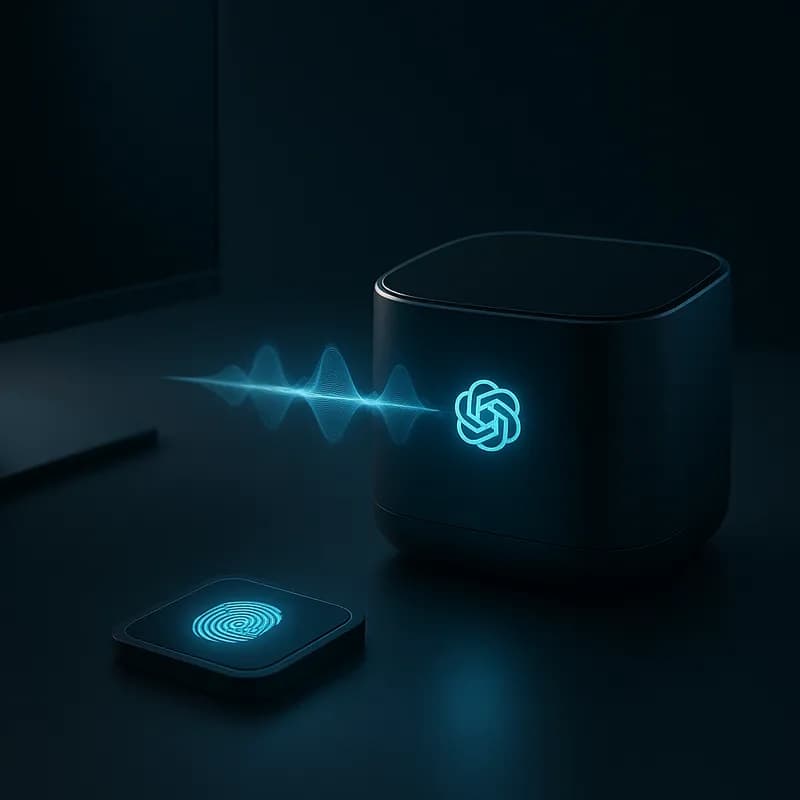
Recent advancements in generative AI now allow for the creation of highly realistic vocal clones using minimal audio samples. However, to combat the potential for misuse in fraud or misinformation, companies are integrating biometric verification and digital watermarking. These measures ensure that a voice can only be cloned if the original speaker provides verifiable permission.

Securing the Digital Identity

As these tools become more accessible to the public, the tech community is calling for robust legal protections. By embedding consent into the technical architecture of AI models, developers hope to foster a safer environment for creators and public figures to monetize their digital likenesses without fear of exploitation.


Related Stories

Semantically matched articles, ranked by topic overlap and freshness.

Anthropic Enhances Claude Voice Mode with Advanced AI Models
Artificial Intelligence66%

Anthropic Enhances Claude Voice Mode with Advanced AI Models

Anthropic has rolled out a significant update to Claude's voice capabilities, allowing the AI to handle complex tasks like scheduling and drafting emails through speech.

AI Safety Guardrails Create New Hurdles for Offensive Cybersecurity Research
Artificial Intelligence64%

AI Safety Guardrails Create New Hurdles for Offensive Cybersecurity Research

Stringent safety filters from AI leaders like OpenAI and Anthropic are inadvertently slowing down the discovery of critical software vulnerabilities.

Microsoft and Hugging Face Expand Strategic AI Partnership
Artificial Intelligence62%

Microsoft and Hugging Face Expand Strategic AI Partnership

Microsoft and Hugging Face are deepening their collaboration to streamline the deployment of open-source AI models on the Azure cloud platform.

Security Researchers Bypass macOS Gatekeeper with 'Evil Twin' App Attacks
Tech & Gadgets61%

Security Researchers Bypass macOS Gatekeeper with 'Evil Twin' App Attacks

New findings reveal a vulnerability where legitimate macOS applications can be replaced by malicious clones, bypassing Apple's Gatekeeper security.

Acoustic Stimulation: Can Sound Frequencies Boost Crop Yields?
Science60%

Acoustic Stimulation: Can Sound Frequencies Boost Crop Yields?

Startup Haivya is utilizing specialized acoustic signals to boost plant development, reporting significant yield increases in crops like soybean and pepper.

NanoVLM: A Minimalist Approach to Training Vision-Language Models in Pure PyTorch
Artificial Intelligence60%

NanoVLM: A Minimalist Approach to Training Vision-Language Models in Pure PyTorch

A new open-source repository called nanoVLM is simplifying the training process for Vision-Language Models by using a streamlined, pure PyTorch implementation.

Falcon-Edge: The New Frontier of Efficient 1.58-bit Language Models
Artificial Intelligence60%

Falcon-Edge: The New Frontier of Efficient 1.58-bit Language Models

TII introduces Falcon-Edge, a series of universal, fine-tunable language models utilizing 1.58-bit quantization for high performance on edge devices.

OpenAI Launches ChatGPT Health for All US Users
Artificial Intelligence60%

OpenAI Launches ChatGPT Health for All US Users

OpenAI has officially expanded ChatGPT Health access to the entire US market, allowing users to sync personal wellness data from popular fitness platforms.