Decoding the Dodo's Lost World
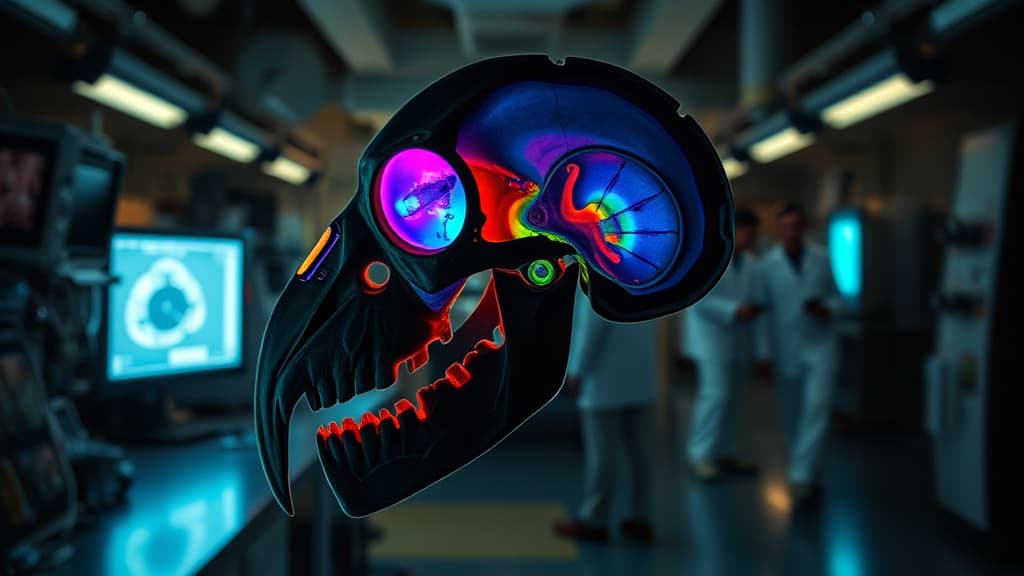
For centuries, the dodo has been a symbol of extinction, often depicted as a clumsy, slow-witted creature. However, groundbreaking new scientific discoveries are challenging these long-held perceptions, suggesting that the dodo bird possessed a sophisticated sensory world far richer than previously imagined. Researchers, employing high-resolution CT scans of extremely rare dodo skulls, have unveiled compelling evidence pointing to a keen sense of smell, an exceptionally sensitive beak, and a daily rhythm that may have defied conventional avian schedules.
One of the most striking revelations is the dodo’s potentially superior olfactory sense. Unlike many modern pigeons and doves, which typically rely more on sight, the dodo appears to have had a more developed sense of smell. This suggests that the bird might have used its nose to locate food sources, perhaps foraging for fallen fruit or ground-dwelling invertebrates amidst the dense Mauritian landscape. Complementing this, the large upper beak of the dodo was likely more than just a tool for cracking nuts; anatomical analysis indicates it was finely tuned to collect tactile information from its surroundings, effectively allowing the dodo to 'feel' its environment with remarkable precision.
Adding another layer to its intriguing profile, the study proposes that the dodo's activity wasn't confined to daylight hours. Evidence suggests a more flexible schedule, with the birds possibly extending their foraging and social activities into the twilight hours of dawn and dusk. These insights, derived from painstaking analysis of skeletal structures, paint a new picture of the dodo—one of an adaptable, sensory-rich creature that was uniquely suited to its island home before its tragic disappearance.