A Hard Line on Chinese AI Integration
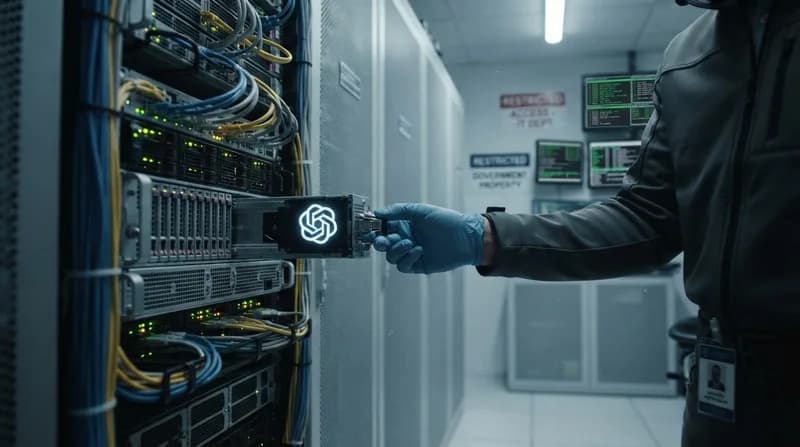
In a significant escalation of the ongoing technological and geopolitical rivalry between Washington and Beijing, the U.S. Department of Homeland Security (DHS) has issued a formal directive mandating the removal of DeepSeek AI technologies from all federal civilian systems. This order is not merely a restriction on DeepSeek’s native applications but serves as a comprehensive ban on any third-party software, platforms, or services that leverage the startup’s underlying AI architecture. The directive explicitly identifies national security vulnerabilities, citing concerns that sensitive government data could be funneled to Chinese authorities, potentially compelled by local laws that grant the state access to private corporate data.
This policy move marks an expansion of previously enacted legislation. While a law passed in December 2025 initially targeted DeepSeek’s involvement within intelligence and national security sectors, this new decree blankets all federal civilian agencies, forcing an immediate audit and cessation of any technology stacks that incorporate the Beijing-based lab's contributions. Agencies are currently required to strip these tools from their IT environments, with provisions for limited exceptions only under strict, pre-approved oversight.
The Growing Tension Over Model Distillation
The controversy surrounding DeepSeek stems from more than just geopolitical friction; it is rooted in allegations of intellectual property theft through "model distillation." U.S. industry giants, including OpenAI and Anthropic, have previously informed federal lawmakers that they observed unauthorized attempts by DeepSeek to harvest outputs from their proprietary models. By using these outputs to train their own systems, critics argue that DeepSeek effectively clones the intelligence of Western models at a fraction of the development cost, a practice that has drawn sharp criticism from the U.S. tech establishment.
Why It Matters
- National Security Data Integrity: The U.S. government is increasingly concerned that open-weight models from foreign entities could act as conduits for data exfiltration.
- Supply Chain Transparency: The ruling forces government contractors and federal IT departments to rigorously audit their software supply chains, ensuring no hidden dependencies on restricted AI architectures exist.
- Escalating Trade Tech Wars: This move follows a cycle of retaliation. While the U.S. pushes for a decoupling of sensitive AI infrastructure, reports suggest Beijing is preparing to impose export restrictions on 23 critical AI-related technologies to safeguard its own competitive edge.
Outlook and Implications
The fallout from this directive is expected to ripple across the private sector, as companies that serve both government and commercial clients may need to bifurcate their product offerings to maintain compliance. Furthermore, the diplomatic response from China—which decries the politicization of technology—suggests that the friction between these two powers is entering a new phase. As AI becomes the bedrock of future national infrastructure, the ability for nations to trust the provenance of their algorithms has become a paramount, if not insurmountable, challenge in modern global policy.