Bridging the Gap Between Virtual and Acoustic Reality
In the rapidly expanding landscape of voice-activated AI and consumer hardware, the challenge is rarely about building the model itself, but rather about how that model behaves in messy, real-world environments. Treble, an Iceland-based startup founded by acoustic engineers Finnur Pind and Jesper Pedersen, is tackling this specific bottleneck. The company recently announced an $18 million extension to its Series A funding round, led by Paladin Capital Group, bringing its total capital raised to over $40 million.
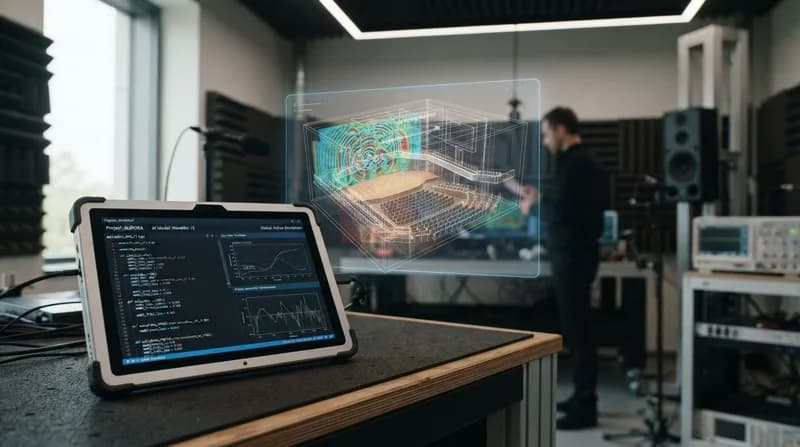
Treble distinguishes itself by moving away from the traditional reliance on scraped internet audio data. Instead, the company utilizes high-fidelity physics-based simulations to generate synthetic data. This approach allows AI developers and hardware engineers to create "digital twins" of acoustic environments, enabling them to test how a smart speaker, microphone array, or set of AR smart glasses might function before a single physical unit is manufactured. By creating a simulation-native infrastructure layer, Treble provides a controlled, precise environment that is impossible to replicate with raw recordings alone.
The Core Utility of the Treble Platform
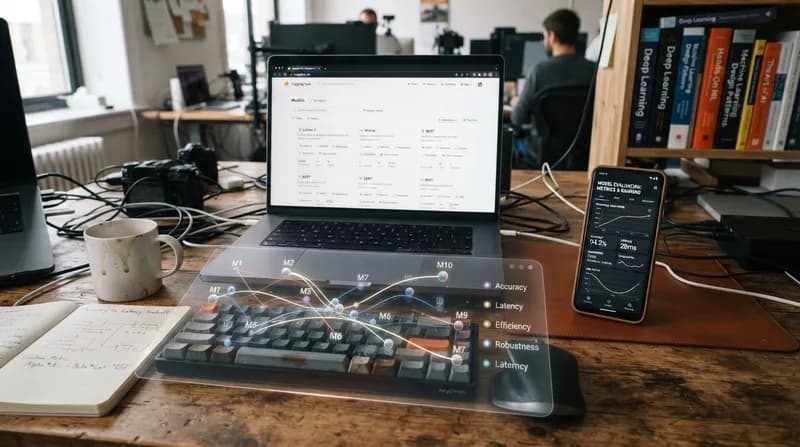
The Treble platform serves two primary verticals: AI model training and physical hardware prototyping. For AI companies, the platform facilitates the generation of massive datasets used for speech enhancement and noise suppression. By simulating various acoustic conditions—such as a crowded cafe or a wind-swept outdoor space—developers can train their models to perform reliably in nearly any scenario. This is bolstered by partnerships like the one with Hugging Face, which established a standardized benchmark for evaluating how speech recognition models handle different realistic acoustic conditions.
For hardware manufacturers, including major players like Logitech and Amazon, the platform acts as a virtual testing lab. Designers can import CAD models of devices to understand how the physical architecture affects sound transmission and pickup. This is particularly critical for the next generation of wearables, where the goal is to go beyond simple voice commands and achieve what Pind calls "superhuman hearing." These features, such as selectively amplifying a person’s voice in a noisy room or muting surrounding background noise in real-time, require an intimate understanding of how sound waves interact with physical device housings and microphones.
Why It Matters
- Beyond Scraped Data: By prioritizing physics-based simulation over web-scraped audio, Treble offers a cleaner, more scientifically grounded way to train models.
- Reducing Prototyping Cycles: Virtual acoustic prototyping allows engineers to iterate on hardware designs faster, reducing the cost and waste associated with building physical test benches.
- Advancing Physical AI: As AI moves from the cloud into robotics, drones, and autonomous vehicles, the need for these machines to interpret sound accurately in complex environments will become a critical safety and operational requirement.
The Road Ahead for Spatial and Physical AI
Looking toward the future, Treble is setting its sights on the broader "physical AI" sector. This includes the integration of their acoustic simulation technology into robotics, automotive systems, and drone engineering. As these devices gain more autonomy, they must be able to orient themselves and interact with their surroundings using auditory cues. Paladin Capital Group has signaled its support for this vision, noting that as more consumer and industrial products depend on sound, a shared, simulation-native infrastructure will become an essential component of the global tech stack.
The shift toward these advanced sensory capabilities suggests that the next wave of hardware innovation won't just be about better processors or longer battery life. It will be about how intelligently a device can perceive and manipulate its acoustic environment. With its robust simulation platform, Treble is positioning itself as the primary architect of this sonic landscape.