The Emergence of Autonomous Corporate Workflows
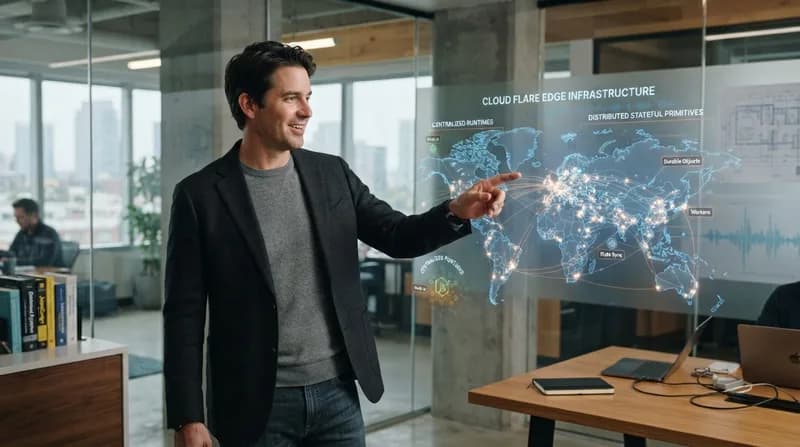
As artificial intelligence shifts from a simple productivity tool to a reliable collaborator, the architecture of the modern workplace is undergoing a seismic change. Speaking at TechCrunch Disrupt in San Francisco, Replit CEO and co-founder Amjad Masad introduced a provocative concept: the 'self-driving company.' Drawing a parallel to the autonomous vehicle revolution, Masad argued that businesses are increasingly becoming self-improving entities where AI agents manage the heavy lifting of daily operations, while humans pivot into roles defined by decision-making and creative oversight.
This shift is not theoretical; it is already being baked into the operational DNA of Replit. The company has moved beyond basic automation to implement an agentic loop for managing technical workflows. When a customer support ticket lands in the system, an AI agent takes the initiative to triage the request. It performs a comprehensive analysis of the codebase, existing GitHub issues, and project management tickets in Linear. By the time the ticket is presented to a human employee, the groundwork is complete, providing all the necessary data points required to make an informed, rapid decision.
Human Judgment in the Loop
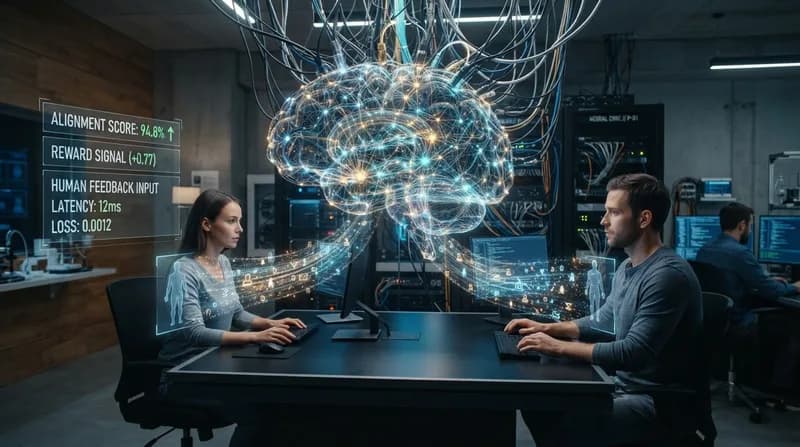
Crucially, Masad emphasizes that this evolution does not signal the obsolescence of the human worker. Instead, it alters the fundamental nature of the job. In the Replit model, once a human support specialist determines the appropriate fix, they simply click a button, and another agent executes the deployment. This orchestration creates a symbiotic loop where agents handle the exhaustive data-processing and execution tasks, while the human provides the essential 'taste' and strategic judgment required to steer the ship.
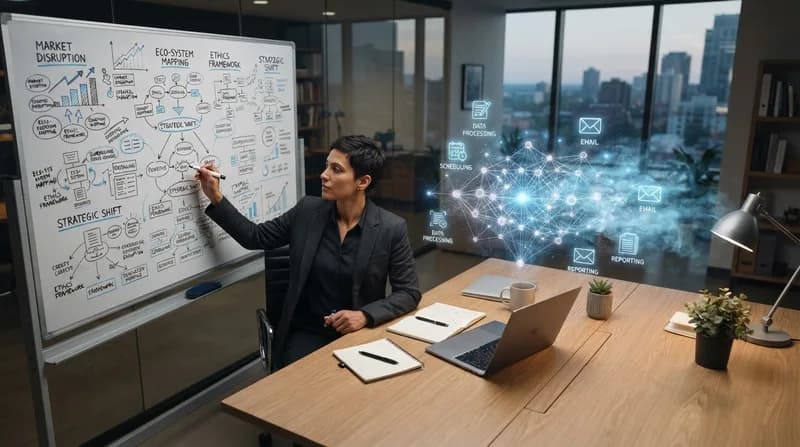
Masad observed that this transition has transformed the internal culture at Replit. With the monotonous, repetitive tasks offloaded to agents, staff members are finding themselves spending significantly more time on high-value activities. The office is seeing a surge in collaborative whiteboarding, architectural debates, and long-term product strategy. By removing the drudgery of routine work, the company reports that employees are not only becoming more productive but are also engaging in more fulfilling, creative work that AI cannot replicate.
Why It Matters: The Future of Enterprise AI
- Strategic Reallocation: The transition toward 'self-driving' workflows allows human talent to exit the 'grunt work' phase of employment and move into high-level design and architectural planning.
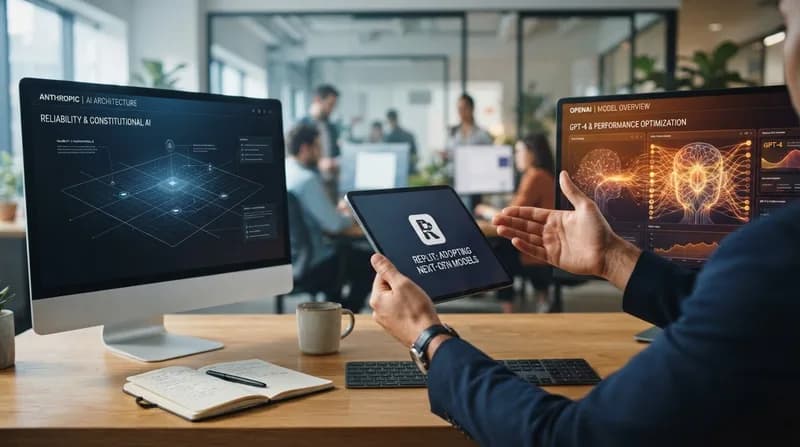
- Reliability Thresholds: The ability to implement these systems effectively relies on the current generation of more reliable, agentic AI models that can navigate complex enterprise tools like GitHub and Jira.
- Operational Velocity: By triaging and executing fixes through AI loops, companies can drastically reduce the latency between identifying a problem and deploying a solution.
- Cultural Shift: Masad’s vision challenges the narrative that AI will replace the workforce, suggesting instead that it will redefine 'work' as a more human-centric endeavor centered on discernment and vision.
As organizations across Silicon Valley and beyond look toward this future, the conversation is shifting. Rather than viewing AI as a replacement for labor, leaders are increasingly framing it as a catalyst for happiness and creativity. Masad’s vision of the self-driving company suggests that when machines handle the 'how,' humans are finally free to focus entirely on the 'why.' This transition toward AI-augmented operations is likely to be one of the most significant workplace disruptions of the decade, requiring a fundamental reimagining of organizational roles and professional skills.