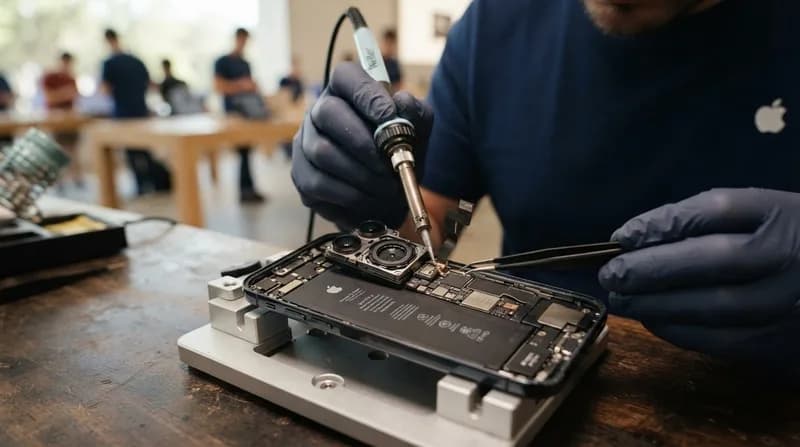
The Cost of Mechanical Complexity
The latest teardown of the iPhone 18 Pro and Pro Max has cast a spotlight on the inherent tensions between sophisticated hardware innovation and long-term device serviceability. While Apple has made strides in certain areas of internal layout, the introduction of a new mechanical variable aperture in the main camera assembly represents a significant regression for potential repairs. This system utilizes six individual blades, each roughly the width of a human hair, creating a level of mechanical intricacy that makes on-site or third-party repair nearly impossible. According to technical analysis, any failure within this mechanism will likely necessitate a total replacement of the entire camera module rather than a component-level fix.
Beyond the technical difficulty of the repair, there is a looming question regarding the value proposition of this hardware addition. Industry experts suggest that the variable aperture provides negligible benefits to depth of field and background blur, given the physical constraints of smartphone sensors. With the part-replacement cost for previous-generation camera modules already sitting at a premium, the addition of a complex, fragile mechanical shutter could drive repair expenses to unprecedented levels, effectively discouraging owners from attempting to service their devices.
The Screen Frame Dilemma
While the internal battery architecture remains relatively accessible—housed in a user-friendly, screwed-in metal tray—reaching those components remains an arduous task. The primary barrier is the device’s display assembly. To access the internals, the screen must be removed, a process that requires softening high-strength adhesives. Unfortunately, the plastic frame securing the screen has shown a distressing tendency to fail during the opening process, which risks compromising the structural integrity of the display itself.
During professional teardown assessments, the fragility of this frame led to damage in a majority of instances, suggesting a design vulnerability that could force an accidental display replacement during even the most standard internal repairs. While experts have not yet established this as a universal failure rate across all production units, the risk factor significantly complicates the repair experience. If a routine battery swap results in a broken screen frame, the cost and labor associated with device maintenance could quickly become prohibitive for the average consumer.
Repairability Outlook
- Score Stagnation: Despite some incremental design refinements, the iPhone 18 Pro retains a 7/10 repairability score, mirroring its predecessor.
- Camera Risks: The new mechanical aperture introduces a high-risk point of failure that is effectively unrepairable at the component level.
- Sustainability Concerns: Because the visual improvements offered by the new camera system are minimal, experts argue that the hardware does not justify the environmental cost of a new device lifecycle.
- Future Proofing: The potential for widespread screen frame failure remains a critical monitoring point as more devices enter the wild.
Ultimately, the consensus suggests that the iPhone 18 Pro offers a cautionary tale for those prioritizing hardware longevity. The combination of fragile display frames and a complex, highly specialized camera mechanism creates a scenario where the device's design prioritizes a modest spec bump over the realities of everyday wear and tear. For users currently utilizing an iPhone 17 Pro, the lack of significant photographic advancement suggests that the most sustainable and fiscally responsible choice remains keeping their current handset in service.