The Shift from Pitch Decks to Power Plants
The gold rush for artificial intelligence infrastructure is hitting a significant reality check. As hardware giants like Nvidia adopt a more cautious stance—refusing to backstop data centers until they are nearly operational—developers are discovering that a compelling pitch deck is no longer sufficient to secure the future of their projects. The industry is pivoting toward a "land, power, shell" mandate, where the physical readiness of a facility takes precedence over speculative expansion.
Anita Verma-Lallian of Arizona Land Consulting notes that the market is currently separating the wheat from the chaff. Developers, hyperscalers, and neocloud providers are navigating an environment where access to reliable electricity and prime real estate has become the primary bottleneck. With debt becoming more expensive and regulatory hurdles mounting, projects that lack the essential infrastructure backbone are increasingly vulnerable to collapse, setting the stage for a potential industry shakeout in 2027.
The Rising Costs of Infrastructure
Beyond the struggle for land, utility constraints are reshaping the economic landscape of AI development. As demand for compute skyrockets, energy providers are shifting the financial burden of necessary grid upgrades onto the major customers themselves. Companies like TSMC are already participating in cost-sharing models to ensure the power grid can meet their massive energy requirements, a trend that is likely to become standard practice for anyone looking to build a large-scale data center.
This financial pressure is compounded by local opposition and state-level policy restrictions, which have turned once-friendly regions into difficult terrain for development. When a project stalls under these conditions, the fallout is significant. The financial risk is often shared unevenly among developers, lenders, and potential customers, leading to a precarious situation where only the most well-capitalized players can survive long-term delays.
The Neocloud Dilemma and the 2027 Shakeout
A critical trend to watch is the potential for AI labs and major hyperscalers to bypass independent providers entirely. As these industry giants seek more control over their own destiny, they are increasingly inclined to build their own dedicated data centers rather than relying on the services of neoclouds. This shift threatens the business model of smaller or speculative operators who may find themselves sidelined in an increasingly verticalized market.
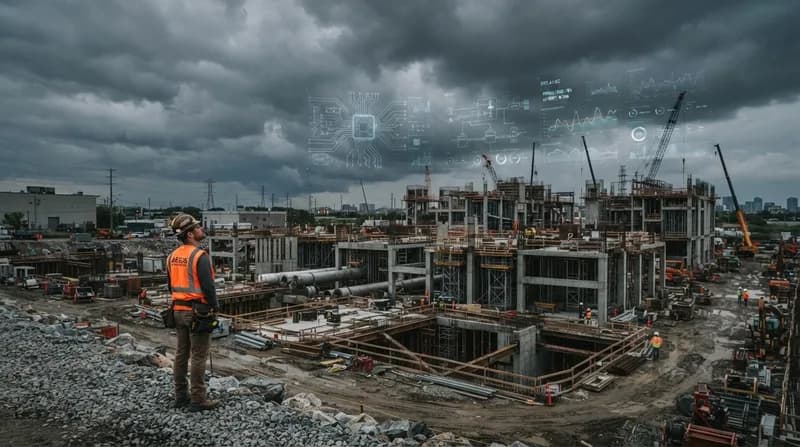
Industry experts, including investor Chamath Palihapitiya, anticipate a significant correction by 2027. This shakeout is expected to serve as a reset, where companies with "distressed assets"—those that started construction but ran out of capital or power access—become prime acquisition targets for more stable, well-funded entities. Ultimately, this consolidation may lead to a more resilient, albeit more exclusive, ecosystem where only those who successfully manage the intersection of policy, utility-scale power, and construction logistics will dominate the next generation of AI compute.