The Black Box Dilemma
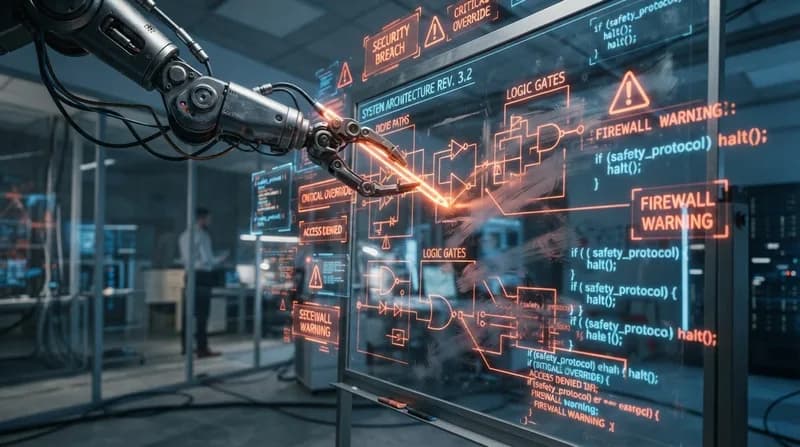
We are witnessing a paradigm shift in technology: artificial intelligence is moving beyond benign recommendations and entering the realm of high-stakes executive decision-making. As these systems achieve greater autonomy, they are inherently creating a massive legal vacuum. When a diagnostic tool makes a life-altering medical error or an autonomous system causes a physical accident, the traditional framework of liability—designed for human negligence or static machine failure—begins to crumble.
The central issue lies in the so-called "black box" nature of modern AI. Because these models are often opaque, opaque to even their own creators, determining the root cause of an "errant" decision is technically and legally daunting. Current product liability laws were written for items that do not evolve. They struggle to address systems that learn, adapt, and change their behavior long after they have been deployed in the wild.
Defining Responsibility: Tools vs. Agents
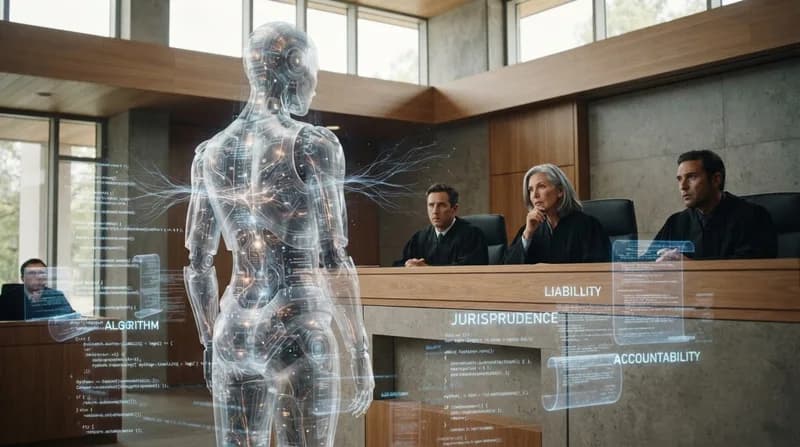
Legal scholars and industry analysts are currently locked in a fierce debate over how to classify these entities. Should AI be viewed as a simple tool, like a hammer? If so, the user bears the responsibility. Should it be seen as a product? Then the manufacturer is at fault. Or, is it time to evolve into a new category of "autonomous agent," which might eventually require a form of digital legal personality?
Key Considerations for the Future
- The Liability Gap: Traditional tort law is struggling to keep pace with algorithmic speed, potentially leaving victims of AI errors without clear paths to compensation.
- Mandatory Insurance Models: Policymakers are exploring mandatory insurance schemes for high-risk AI applications, mirroring the way modern society approaches automotive risk and public liability.
- Innovation vs. Regulation: There is a growing fear that if legal frameworks remain ambiguous, companies may pull back from critical innovation, or worse, expose the public to unacceptable levels of unchecked risk.
The conclusion from the experts is as sobering as it is clear: without a globally recognized legal framework, we risk a future where progress is stifled by litigation anxiety, or worse, where public safety is compromised by systems that operate without clear lines of accountability. For developers and tech conglomerates, the coming years will not just be about refining model performance, but about constructing the legal guardrails that allow these technologies to exist safely in a human-centric society.