The Rise of the Digital Twin
The boundary between human presence and digital representation is blurring faster than ever. Synthesia, the $4 billion valuation giant in the generative video space, has recently shifted focus from simple video generation to the creation of interactive, agentic avatars. These aren't just pre-recorded clips; they are fully realized digital twins capable of processing speech, interpreting intent, and delivering context-aware responses in real-time.
Synthesia's platform now distinguishes between three core product tiers: the classic video-creation suite where users input scripts for static avatars, the "Sessions" platform designed for corporate training and roleplay, and a robust API service that allows enterprises to integrate these models into their own proprietary software architectures. By combining voice-to-text, sophisticated language models, and high-fidelity video synthesis, the company is effectively creating a new class of digital employee.
The Anatomy of an AI Avatar
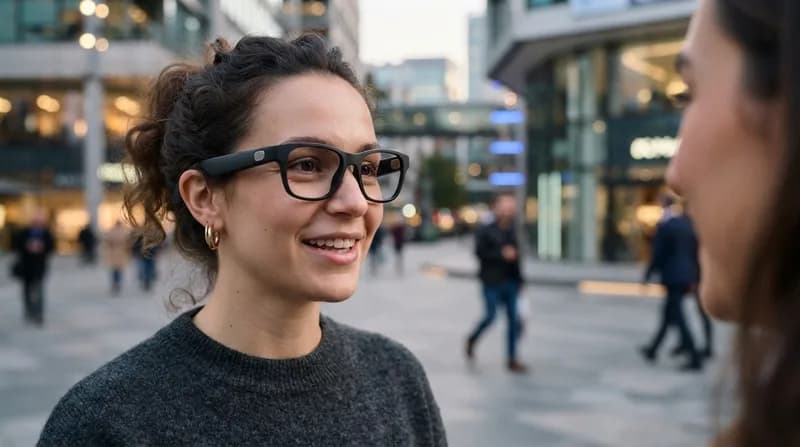
Creating a digital twin is a multi-step process that feels like a cross between a film production and a software deployment. For those building custom twins, the process begins in a controlled studio environment where high-resolution imagery and clear voice samples are captured. These assets serve as the foundation for the model, which can then be fine-tuned to include specific visual details like eyewear or attire.
The technical pipeline behind an interactive avatar is a complex choreography of several AI layers. First, a voice-to-text module translates human speech into data. An agentic language model then parses that data to determine the correct response. Once the text response is generated, a text-to-voice engine produces audio, and finally, Synthesia’s proprietary video model animates the avatar’s facial expressions and lip-syncing to match the output. The platform's flexibility is a significant selling point, as it allows customers to swap in models from external providers like ElevenLabs, OpenAI, or Google, ensuring that the "brain" of the avatar can be as specialized as the user requires.
Why It Matters: The Future of Interaction
The implications for professional communication are vast. While the "creepy" factor—the uncanny valley effect—remains a hurdle for mainstream adoption, the utility of these avatars for repetitive, high-stakes tasks is becoming impossible to ignore. From handling repetitive PR inquiries to providing personalized sales training, these digital agents provide a persistent, tireless, and consistent brand representative.
However, the transition to avatar-mediated communication raises profound questions about the nature of professional trust. While these digital twins can capture the likeness and syntax of a human, they lack the nuanced, empathetic connection that defines fields like journalism or high-level management. As these tools become more pervasive, the challenge for companies will not be technical, but philosophical: determining which parts of the human experience can be automated and which must remain exclusively human to maintain the integrity of the profession.
The Outlook for Digital Identity
As we look toward the next few years, Synthesia’s model suggests a future where digital assistants aren't just disembodied voices, but visually distinct entities that can represent us in virtual meetings, training sessions, and customer service portals. While the technology is currently deterministic—meaning the avatars are strictly limited to the data they are trained on—the shift toward non-deterministic, conversational models could change how we perceive digital identity. For now, the focus remains on enterprise efficiency, providing a bridge for businesses to scale communication without scaling their headcount.