A New Frontier in Oncology: The TCIP3 Molecule
In a significant advancement for cancer therapeutics, researchers at Stanford Medicine have successfully engineered a two-part, bivalent molecule capable of turning a primary cancer-driving protein against the malignant cells it typically protects. The compound, known as TCIP3, targets B-cell lymphoma by hijacking the BCL6 protein. Rather than simply inhibiting BCL6—which is a common strategy in current oncology—this novel approach effectively rewires the cellular machinery to trigger a pre-programmed death sequence within the tumor.
The study, published in the journal Cell, highlights the efficacy of this strategy in laboratory tests. Mice implanted with human lymphoma tumors showed complete regression after 11 days of twice-daily treatment. Unlike traditional chemotherapy, which can be indiscriminate in its destruction, this targeted molecular approach minimizes damage to healthy tissue while directly forcing cancerous cells to initiate their own destruction.
Understanding the Mechanism of BCL6
Diffuse large B-cell lymphoma often hinges on the activity of BCL6, a protein that, in healthy immune cells, regulates the temporary suppression of genes to allow for effective immune responses. However, in lymphoma, BCL6 becomes locked in an active state, perpetually silencing the genes responsible for programmed cell death, or apoptosis. This allows cancer cells to multiply unchecked, evading the body's natural defense mechanisms.
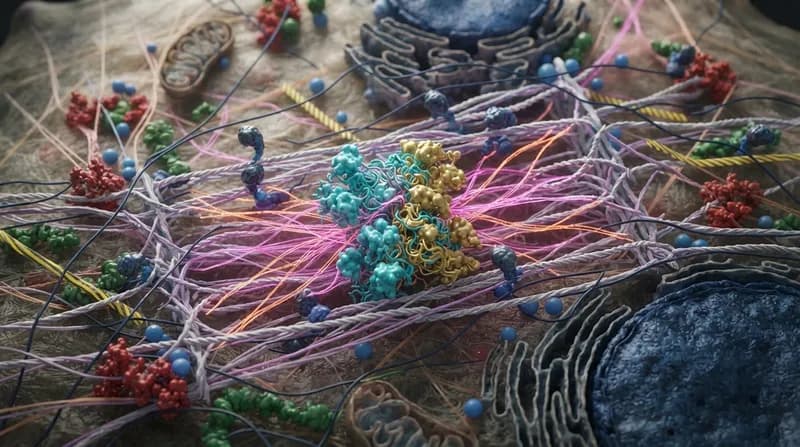
The research team recognized that simply blocking BCL6 was insufficient. Instead, they utilized a technique called chemically induced proximity. By designing the TCIP3 molecule to act as a two-sided bridge, they connected BCL6 to proteins known as P300 and CBP. Once linked, these proteins add chemical tags called acetyl marks to BCL6, effectively neutralizing its suppressive capabilities and simultaneously unlocking the genes necessary to initiate the cell's death program. This is akin to moving from simply engaging the brakes of a vehicle to actually flooring the accelerator toward a designated path.
Molecular Glue and Structural Precision
The success of TCIP3 relies on its function as a molecular glue. By analyzing the compound at the atomic level using X-ray crystallography, the researchers discovered that the molecule does more than just hold proteins in place; it stabilizes the entire complex through additional chemical interactions. This stabilization ensures that the molecule remains rigid and highly energy-efficient, preventing it from flexing and losing its intended biological impact.
The structural refinement of TCIP3 was critical in achieving the high potency observed in the study. By strengthening these molecular contacts, the team was able to ensure that the compound remains effective at very low concentrations. The absence of significant toxicity or inflammatory signals in the treated mice suggests that this method of molecular matchmaking could be far more precise and safer than broader, systemic treatments currently available.
Future Implications for Medicine
While the results in mice are highly promising, the research team emphasizes that extensive further testing and clinical refinement are necessary before the compound can be considered for human applications. Nevertheless, the implications of this study are profound. Beyond lymphoma, the researchers believe that this strategy of redirecting cancer-driving proteins could be applied to other aggressive forms of cancer and even certain autoimmune conditions like rheumatoid arthritis, where similar cellular signaling pathways are often misregulated.
Why it Matters
- Dual Functionality: The molecule doesn't just inhibit the cancer; it actively reprograms it to initiate self-destruction.
- High Specificity: The use of molecular glue allows for a targeted approach that aims to spare healthy cells from the damage associated with conventional treatments.
- Broad Potential: The underlying strategy of using bivalent molecules could be a new blueprint for tackling a wide range of transcription factors that control cell growth and death.