ScienceTechnical Deep Dive

Sparkling Water vs. Soda: New Study Evaluates Impact on Dental Health

Published
EElectricBuzz Editorial Team
Sparkling Water vs. Soda: New Study Evaluates Impact on Dental Health
1 min read150 wordsElectricBuzz Editorial Team

The Gist

“A recent study suggests that unsweetened sparkling water is a significantly safer choice for dental health compared to sugar-sweetened carbonated beverages.”

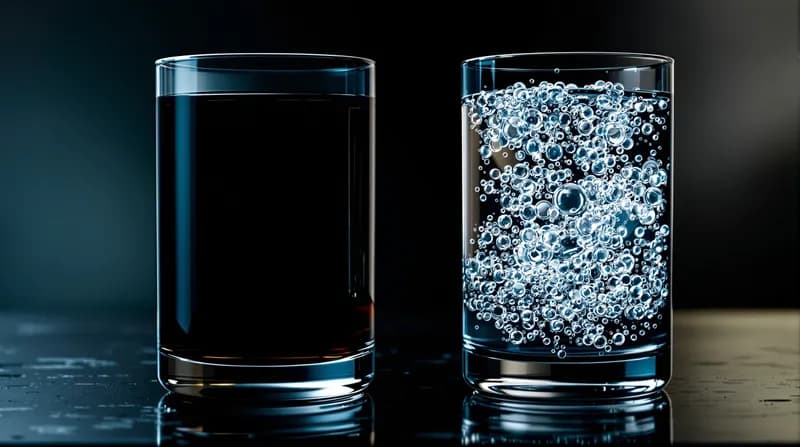
New research comparing the effects of various beverages on oral health has found that unsweetened sparkling water may be a better alternative for your teeth than traditional sodas. The study focused on how different drinks influence mouth acidity, a key factor in tooth enamel erosion.

The Acidity Factor

While carbonated water is slightly more acidic than still water due to the presence of carbonic acid, the study indicates that it lacks the high sugar content found in sodas. Sugar-sweetened beverages contribute to a more aggressive acidic environment in the mouth, which accelerates the breakdown of protective enamel.

The findings suggest that for consumers looking to maintain their dental health without giving up the sensation of carbonation, switching to unsweetened sparkling water could reduce the risk of cavities and erosion. However, experts still recommend moderation and remind consumers that plain, non-carbonated water remains the gold standard for hydration and oral hygiene.

SPONSORED
The 5 Best Over-Ear ANC Headphones of 2026, Tested & Ranked
Editor's Pick Guide
92/100
Tech & Gadgets•12 min read

The 5 Best Over-Ear ANC Headphones of 2026, Tested & Ranked

We locked five over-ear ANC picks for 2026 — Sony WH-1000XM6, Bose QuietComfort Ultra 2, Soundcore Space One, Sennheiser Momentum 5, and Apple AirPods Max 2 — then stress-tested them on lab metrics, long-term owner truth, and live street prices.

Related Stories

Semantically matched articles, ranked by topic overlap and freshness.

The Cosmic Fine-Tuning: How Universal Constants Dictate the Flow of Life
Science

The Cosmic Fine-Tuning: How Universal Constants Dictate the Flow of Life

New research suggests that the fundamental laws of physics are not just random, but are precisely calibrated to allow the fluid movement required for biological life to exist.

Closing the Gap: The Massive Life-Saving Potential of Better Hypertension Management
Science

Closing the Gap: The Massive Life-Saving Potential of Better Hypertension Management

New research presented at the American Heart Association's Hypertension Scientific Sessions 2026 reveals that achieving 80% hypertension control could prevent over 500,000 cardiovascular deaths annually across 20 nations.

The 10-Minute Secret: Why Daily Movement Beats the Weekend Workout
Science

The 10-Minute Secret: Why Daily Movement Beats the Weekend Workout

New research from the University of Texas at Austin reveals that consistency in daily physical activity is a more potent driver of deep, restorative sleep than long, infrequent weekend sessions.

Beyond the Kitchen: How Vanilla Could Revolutionize Wound Care
Science

Beyond the Kitchen: How Vanilla Could Revolutionize Wound Care

Researchers have discovered that vanillin—the primary compound in vanilla—possesses potent antioxidant, anti-inflammatory, and antibacterial properties that could transform medical treatments.

Could the Brain Be the Master Switch for Aging? Scientists Uncover New Clues
Science

Could the Brain Be the Master Switch for Aging? Scientists Uncover New Clues

A groundbreaking study identifies a hidden hypothalamic protein and a simple amino acid as potential keys to reversing age-related decline.

Beyond the Scale: New Study Links GLP-1 Weight Loss Drugs to Surprising Nail and Scalp Issues
Science

Beyond the Scale: New Study Links GLP-1 Weight Loss Drugs to Surprising Nail and Scalp Issues

New research suggests that popular GLP-1 medications might trigger more than just weight loss, with studies pointing to significant, overlooked impacts on hair, scalp, and nail health.

New Research Challenges Assumptions About Folic Acid and Suicide Prevention
Science

New Research Challenges Assumptions About Folic Acid and Suicide Prevention

A recent Swedish study presented at the ECNP congress suggests that the link between folic acid supplementation and reduced suicide risk is more complex than previously thought.

New Nationwide Map Pinpoints Childhood Lead Exposure Risks
Science

New Nationwide Map Pinpoints Childhood Lead Exposure Risks

A comprehensive new research tool utilizes census tract data to identify geographic hotspots where children may be most vulnerable to lead hazards.