E-BUZZ ME Logo
ScienceTechnical Deep Dive

Working Memory Rapidly Re-Prioritizes After Distractions, New Study Reveals

Published
Working Memory Rapidly Re-Prioritizes After Distractions, New Study Reveals
1 min read149 words

The Gist

A new study highlights the brain's remarkable ability to swiftly update working memory priorities to maintain focus on immediate tasks despite frequent interruptions.

Working memory serves as the brain's internal workspace, allowing humans to temporarily store and manipulate information essential for completing everyday tasks, from driving to complex work assignments. A recent study has shed light on how this system manages interruptions, finding that working memory can rapidly update its priorities following a distraction.

Dynamic Prioritization

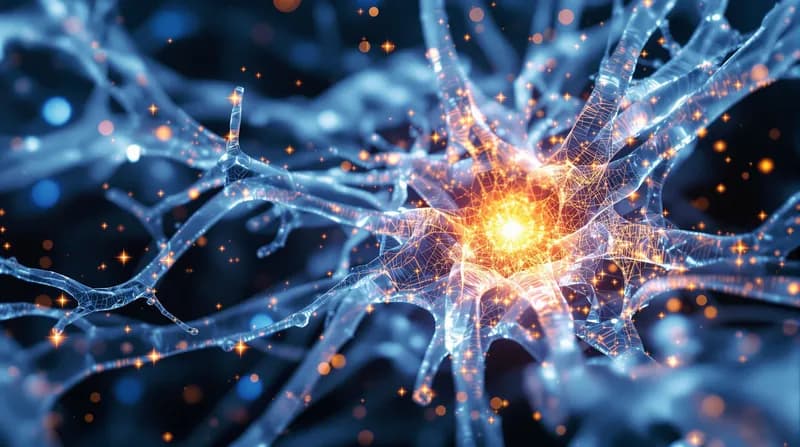
The research emphasizes that working memory is not a static storage bin but a dynamic process. When a distraction occurs, the brain doesn't just lose track; it actively re-evaluates which pieces of information are most critical for the task at hand. This rapid re-prioritization ensures that temporary data remains relevant and accessible for immediate use.

Implications for Performance

Understanding these mechanisms provides deeper insight into human cognitive resilience. By identifying how the brain filters out noise and re-focuses on primary goals, researchers hope to better understand cognitive workflows and the limitations of multitasking in high-pressure environments.


Related Stories

Semantically matched articles, ranked by topic overlap and freshness.

Mapping the Mind: Two Neural Pathways Explain Habit Formation
Science72%

Mapping the Mind: Two Neural Pathways Explain Habit Formation

New research identifies the specific brain mechanisms that transition deliberate actions into automatic routines, explaining why some habits feel harder to break than others.

Innovative Treadmill Therapy Shows Promise for PTSD Recovery
Science66%

Innovative Treadmill Therapy Shows Promise for PTSD Recovery

Researchers at the University of Alberta have found that combining physical motion with memory confrontation significantly improves PTSD treatment outcomes.

The Impact of Ultra-Processed Foods on Long-Term Brain Health
Science65%

The Impact of Ultra-Processed Foods on Long-Term Brain Health

New research highlights a concerning link between ultra-processed diets and increased risks of depression, anxiety, and dementia.

Early Childhood Infections Linked to the Sibling Earnings Gap
Science63%

Early Childhood Infections Linked to the Sibling Earnings Gap

New research suggests that the lower average earnings of younger siblings may be driven by exposure to respiratory infections brought home by their older brothers and sisters.

Ancient 500,000-Year-Old Elephant Bone Hammer Rewrites Early Human Toolmaking History
Science63%

Ancient 500,000-Year-Old Elephant Bone Hammer Rewrites Early Human Toolmaking History

A rare discovery in England reveals that ancient humans crafted reusable hammers from elephant bone to sharpen stone tools nearly half a million years ago.

A $9 Physical Key Designed to Lock Your Most Addictive Apps
Artificial Intelligence62%

A $9 Physical Key Designed to Lock Your Most Addictive Apps

A new NFC-based physical key aims to curb smartphone addiction by requiring a manual scan to unlock distracting applications.

Astronomers Detect Massive Wandering Black Hole via Stellar Destruction
Science62%

Astronomers Detect Massive Wandering Black Hole via Stellar Destruction

A supermassive black hole has been identified straying far from its galactic center after it was caught consuming a nearby star.

Young Adults Struggle with Healthcare Independence, New Poll Finds
Science61%

Young Adults Struggle with Healthcare Independence, New Poll Finds

A University of Michigan poll reveals that many young adults aged 18–25 lack the basic skills necessary to manage their own medical needs without parental assistance.