A Desert Reimagined
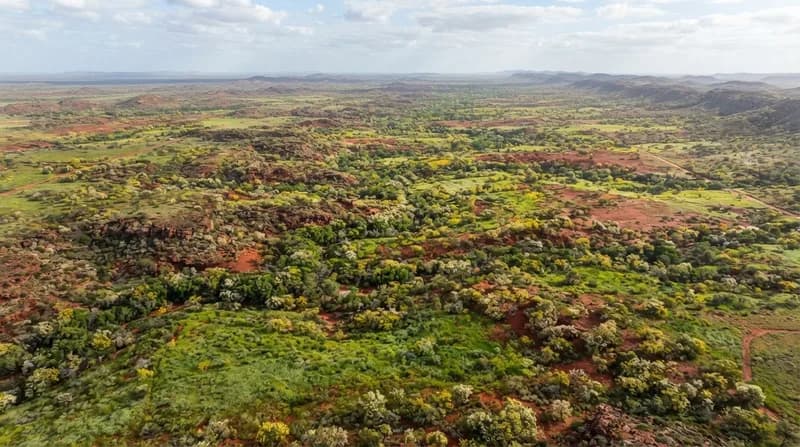
The vast, rust-colored expanses of Western Australia—a region typically defined by its harsh aridity and resilient, drought-adapted flora—have undergone a staggering visual metamorphosis. Following a series of uncharacteristic cold fronts that delivered sustained, heavy rainfall throughout the winter of 2026, the arid shrublands have erupted into an expansive, vibrant tapestry of wildflowers. Environmental experts and local botanists suggest that this phenomenon represents the most significant ecological awakening the region has witnessed in nearly two decades.
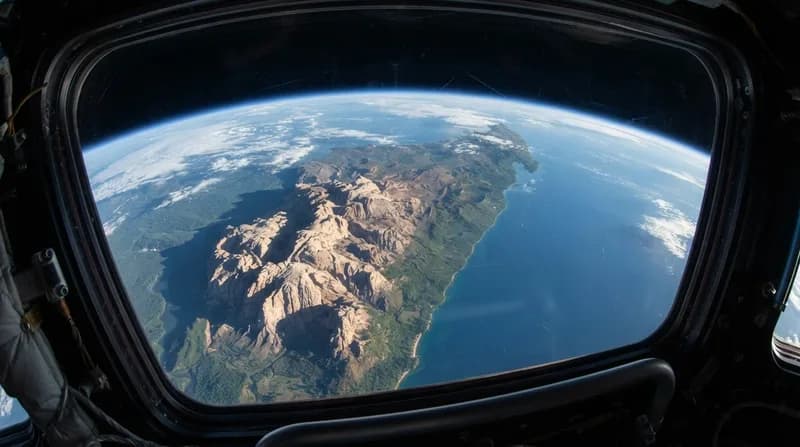
This transformation is not merely a localized curiosity; it is a profound demonstration of the resilience of dormant ecosystems. Seeds that have spent years waiting in the parched soil for the right moisture levels were triggered into rapid germination, turning typical grazing lands into a patchwork of brilliant color. The shift is so profound that NASA’s Earth Observatory has documented the change through high-resolution satellite imagery, providing a rare aerial perspective on how quickly a landscape can transition when environmental variables align.
The View From Orbit
To quantify the scale of this ecological event, researchers utilized the Operational Land Imager (OLI) aboard the NASA-USGS Landsat 8 satellite. By comparing data from August 2025 to August 2026, the stark contrast is undeniable. The 2025 imagery reflects the standard, hardy, and subdued vegetation of the Murchison region, while the 2026 capture shows a landscape saturated with new growth. This satellite technology allows scientists to track these pulses of vegetation, offering insights into how climate patterns directly influence the health and biodiversity of remote Australian territories.
Observatories and Nature Converge
The bloom extended its reach into some of the most specialized scientific terrain on the continent, including the grounds of the Inyarrimanha Ilgari Bundara, the CSIRO Murchison Radio-astronomy Observatory. This facility is a critical node in modern science, operating within a highly protected 'radio quiet' zone to detect faint celestial signals. While researchers inside the facility focus their efforts on cataloging the distant corners of the universe, the surrounding landscape became a laboratory of its own, hosting a proliferation of native species, including several varieties considered threatened.
The convergence of advanced space exploration infrastructure and natural biological beauty is emblematic of the site’s dual importance. Australia has long been a pivotal partner in the global effort to explore the cosmos, providing vital support for NASA missions ranging from the early Apollo moon landings to the modern Artemis program. The presence of these flowers on the very doorstep of world-class radio telescopes serves as a poignant reminder that while humanity continues to look outward toward the stars, the Earth below remains a dynamic, ever-changing environment capable of spectacular recovery and growth.