ScienceTechnical Deep Dive

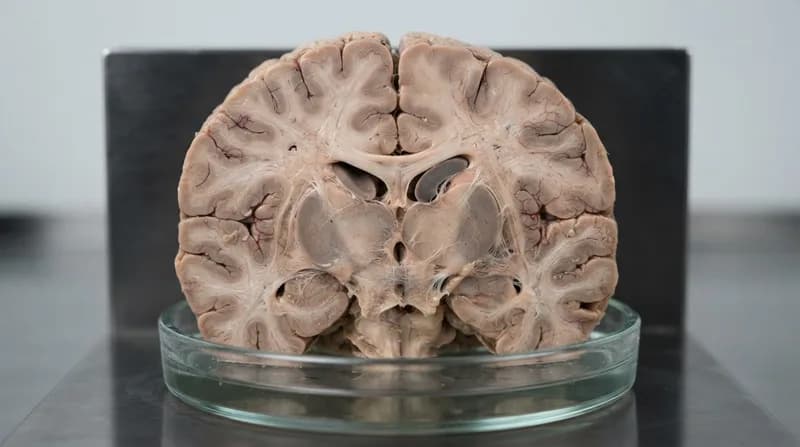
Parenting Linked to Long-Term Brain Health Benefits

Published
EElectricBuzz Editorial Team
Parenting Linked to Long-Term Brain Health Benefits
1 min read46 wordsElectricBuzz Editorial Team

The Gist

“Raising children may help keep parents' brains younger and protect against cognitive decline and Alzheimer's disease.”

New research suggests that parenting has lasting benefits on brain health. Raising children appears to keep parents' brains younger over time.

The experience of parenting may serve as a buffer against cognitive decline. It could also reduce the risk of Alzheimer's disease, indicating potential protective effects.


SPONSORED
The 5 Best Over-Ear ANC Headphones of 2026, Tested & Ranked
Editor's Pick Guide
92/100
Tech & Gadgets•12 min read

The 5 Best Over-Ear ANC Headphones of 2026, Tested & Ranked

We locked five over-ear ANC picks for 2026 — Sony WH-1000XM6, Bose QuietComfort Ultra 2, Soundcore Space One, Sennheiser Momentum 5, and Apple AirPods Max 2 — then stress-tested them on lab metrics, long-term owner truth, and live street prices.

Related Stories

Semantically matched articles, ranked by topic overlap and freshness.

Unlocking the Neural Mysteries of Dyscalculia: Why Some Children Struggle with Math
Science

Unlocking the Neural Mysteries of Dyscalculia: Why Some Children Struggle with Math

New Stanford research reveals that math learning difficulties may stem from brain-level challenges in cognitive flexibility and strategy management rather than a simple inability to calculate.

New Data Reveals Significant Drop in Infant Mortality Across England
Science

New Data Reveals Significant Drop in Infant Mortality Across England

New national health data shows a 16% reduction in infant mortality rates in some of England's most disadvantaged areas, driven by the expansion of targeted perinatal care bundles.

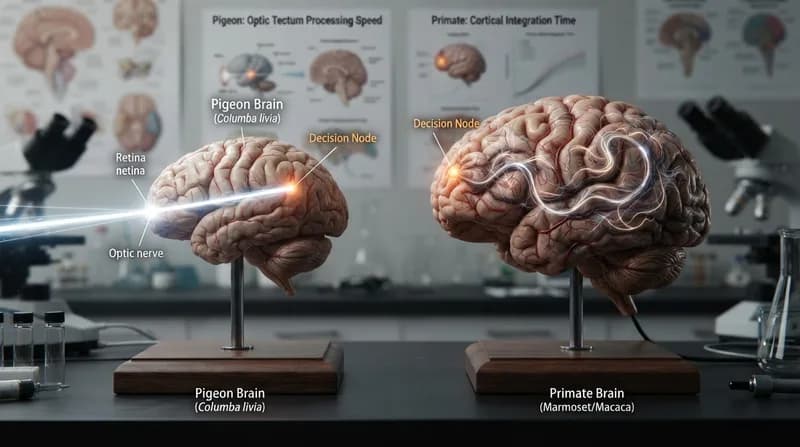
Avian Intellect: Why Crows Outpace Humans in Rapid Decision-Making
Science

Avian Intellect: Why Crows Outpace Humans in Rapid Decision-Making

New research reveals that crows process visual information and reach conclusions twice as fast as primates, challenging our understanding of brain architecture.

Mapping the Mind: New Atlas Decodes 8 Million Brain Cells
Science

Mapping the Mind: New Atlas Decodes 8 Million Brain Cells

Researchers at UC Irvine have unveiled a groundbreaking multiscale map of the human basal ganglia, shedding light on the cellular architecture of movement, habit, and motivation.

Perseverance Rover Uncovers Organic Carbon in Ancient Martian Rock
Science

Perseverance Rover Uncovers Organic Carbon in Ancient Martian Rock

NASA's Perseverance rover has identified complex organic matter just beneath the surface of Mars, offering fresh evidence that the Red Planet may have once harbored the essential ingredients for life.

Magnetic Breakthrough Promises Ultra-Efficient Chips for Future AI
Science

Magnetic Breakthrough Promises Ultra-Efficient Chips for Future AI

Researchers at Brown University have conquered the 'dead layer' effect in multiferroic materials, paving the way for significantly more energy-efficient AI hardware.

Federal Funding Greenlit for Ibogaine Research in Veteran PTSD Studies
Science

Federal Funding Greenlit for Ibogaine Research in Veteran PTSD Studies

The U.S. government is investing $4.9 million to prepare for clinical trials of ibogaine, a controversial psychedelic aimed at addressing intractable PTSD.

American Cancer Society Issues Landmark Update to Prostate Cancer Screening Guidelines
Science

American Cancer Society Issues Landmark Update to Prostate Cancer Screening Guidelines

The American Cancer Society has released significant updates to its prostate cancer screening protocols, aiming to improve early detection rates and reduce mortality for high-risk populations.