
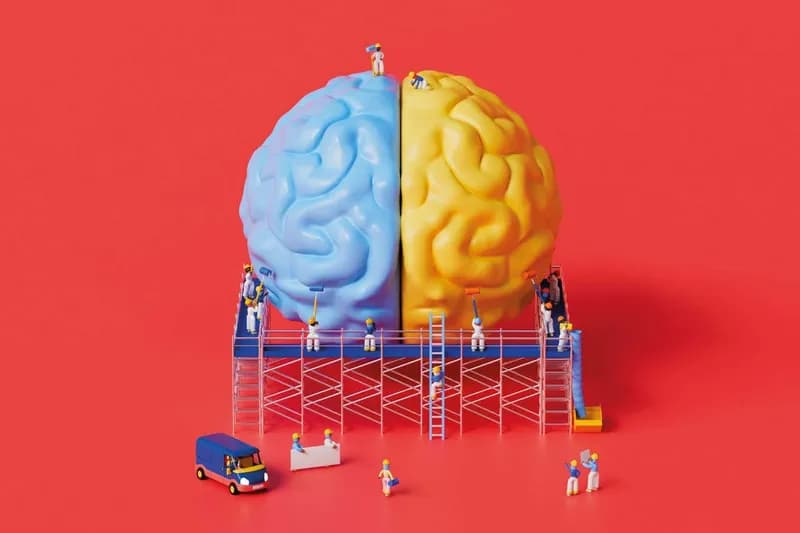
About 33% of stroke patients experience remarkable brain recovery, nearly restoring brain function. Scientists study these cases to understand how the brain reorganizes and heals after injury. These insights are shaping the development of improved therapies that could benefit more stroke survivors.
ScienceTechnical Deep Dive
New Insights Into Brain Recovery After Stroke
Published
EElectricBuzz Editorial Team
1 min read42 wordsElectricBuzz Editorial Team
The Gist
“Research reveals one-third of stroke survivors can almost fully rebuild their brains, guiding new treatment approaches.”
SPONSORED


Editor's Pick Guide
92/100
Tech & Gadgets•12 min read
The 5 Best Over-Ear ANC Headphones of 2026, Tested & Ranked
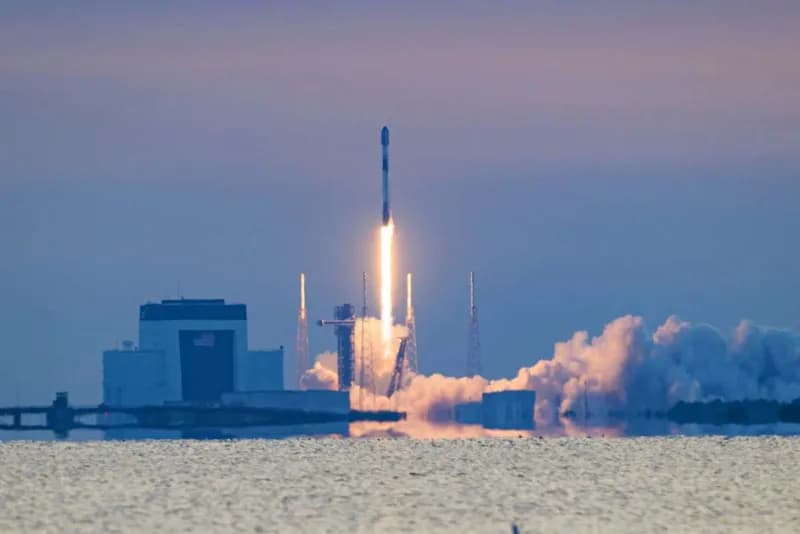
We locked five over-ear ANC picks for 2026 — Sony WH-1000XM6, Bose QuietComfort Ultra 2, Soundcore Space One, Sennheiser Momentum 5, and Apple AirPods Max 2 — then stress-tested them on lab metrics, long-term owner truth, and live street prices.
Related Stories
Semantically matched articles, ranked by topic overlap and freshness.

Science
The Lingering Shadow of Forever Chemicals: Lessons from Lancashire and Beyond
A decade of research into PFAS exposure reveals the complex public health challenges facing communities near contaminated industrial sites.
Science
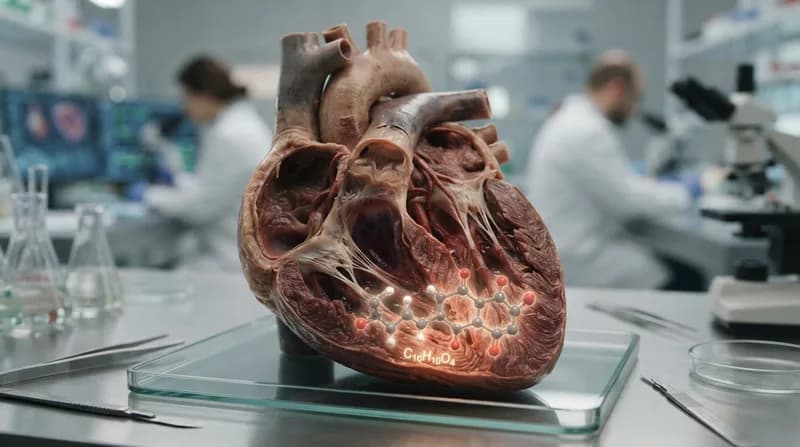
Natural Compound From Pomegranates Shows Promise in Treating Complex Heart Failure
Researchers at King's College London have discovered that Urolithin A, a natural metabolite, could significantly improve heart relaxation in a difficult-to-treat form of heart failure.

Science
The Hidden Cost of Perfection: Why Strict Glucose Control Might Impair Quality of Life
A new study reveals that for people living with diabetes, the intense effort to eliminate every blood sugar fluctuation may paradoxically lower their overall quality of life.
Science
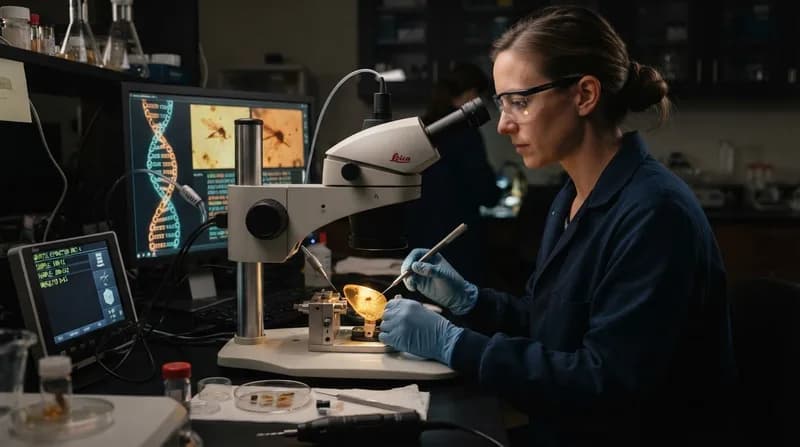
Jurassic-Era Proteins Resurrected to Combat Modern Superbugs
Biologists have successfully reconstructed ancient antimicrobial peptides from 160 million years ago, revealing potential new strategies for overcoming antibiotic-resistant bacteria.
Science
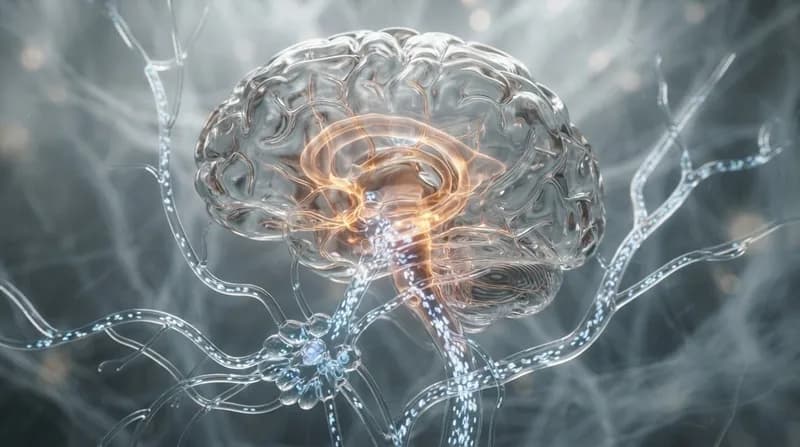
A Breakthrough in Alzheimer’s Research: Targeting the Immune System Outside the Brain
Researchers have discovered an unexpected immune pathway residing in the lymph nodes that fuels neurodegeneration, potentially opening new, non-invasive doors for Alzheimer's treatment.
Science
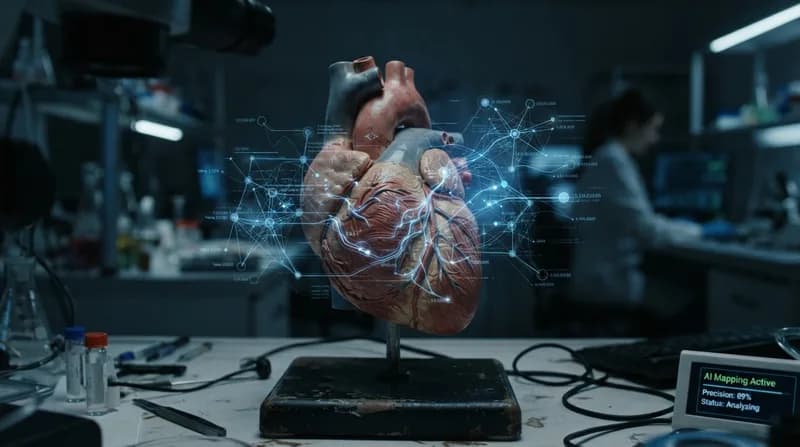
New AI Breakthrough Promises Non-Invasive Mapping of Heart Arrhythmia
Researchers have developed a graph neural network capable of identifying atrial tissue damage with 89% accuracy using only surface electrical recordings.

Science
The Infinite Mystery: Why We May Never Know the True Shape of the Universe
While the observable universe appears remarkably flat, astrophysicists are grappling with the possibility that the cosmos might be far stranger, finite, or even looped in ways we cannot yet perceive.
Science
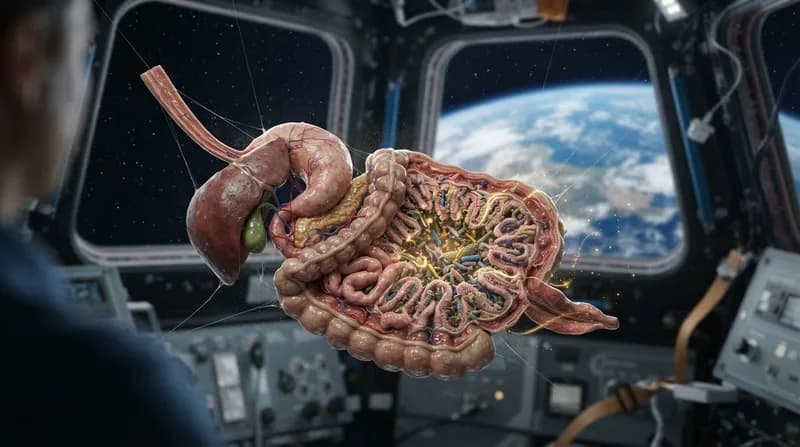
Stellar Digestion: Why Microgravity Rewires the Human Gut
A joint study from the University of Copenhagen and NASA reveals that spaceflight causes gut bacteria to ferment protein, shedding light on astronaut constipation and long-term health risks.