A Balanced Approach to Cinematic Innovation
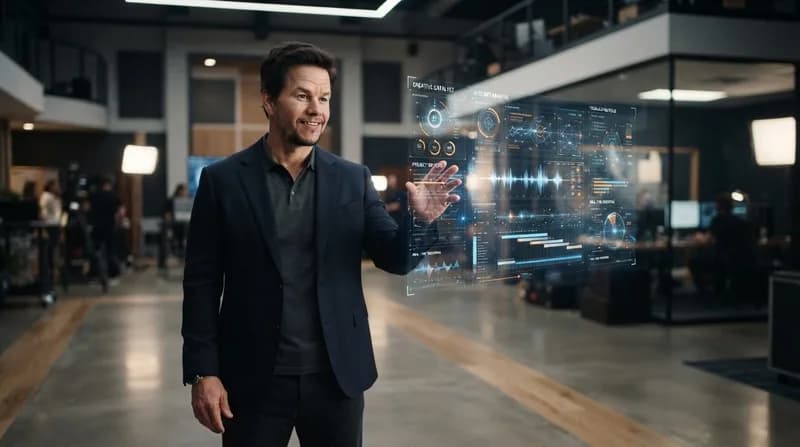
The conversation surrounding artificial intelligence in Hollywood is often polarized, characterized by fear of displacement or excitement over technical ease. However, actor and director Mark Wahlberg recently offered a more nuanced perspective at TechCrunch Disrupt. Rather than viewing AI as a replacement for human creativity, Wahlberg advocates for a 'right way' to integrate the technology: as a tool for enhancement rather than a substitute for the soul of storytelling.
Wahlberg highlighted his upcoming Pete Rose biopic as a practical example of this philosophy. Instead of relying on generative AI to author scripts or replace actors, he envisions utilizing the technology to bolster production values, specifically regarding large-scale environments like stadium settings. By leveraging AI to perfect atmospheric details and visual grandeur, Wahlberg believes creators can lean into cutting-edge technical innovation while maintaining the central importance of human-led narrative arcs.
The Future of Digital Legacy
One of the most provocative aspects of the discussion was Wahlberg's willingness to embrace his own digital likeness for posterity. When queried about the 'CAA Vault'—the industry-standard facility designed to capture the likeness, movement, and voice of talent for future use—Wahlberg admitted that while he has not yet participated, he views the prospect with interest. For him, the concept is not about mere vanity, but about family legacy and the preservation of entertainment.
Wahlberg expressed a vision where future generations of his family could maintain control over his image, essentially acting as stewards of his professional identity. He mused that if an AI version of his persona could keep beloved projects, such as the 'Ted' franchise, alive for decades, it would be a constructive development. By allowing his likeness to persist, he believes he could offer audiences the continuation of content they are passionate about long after his own direct participation is no longer possible.
Why It Matters: The Shifting Media Landscape
- Strategic Augmentation: Wahlberg’s stance represents a growing movement among A-list talent to view AI as a 'force multiplier' that handles labor-intensive background tasks, allowing filmmakers to focus on character and narrative.
- Economic Incentives: The potential for digital immortality, as discussed by Wahlberg, opens new legal and ethical discussions regarding estate planning for performers and the rights to one's own data in the streaming era.
- Story-First Philosophy: Despite his career history in high-budget, effects-driven blockbusters, Wahlberg remains firmly rooted in the belief that technical wizardry should serve, not overshadow, the emotional core of a film.
Ultimately, Wahlberg’s outlook serves as a bridge between the traditional film industry and the rapid rise of synthetic media. As studios scramble to integrate these powerful tools, his perspective suggests a middle path: AI belongs in the production pipeline, provided it acts in service of the viewer’s experience and respects the actor's long-term autonomy.