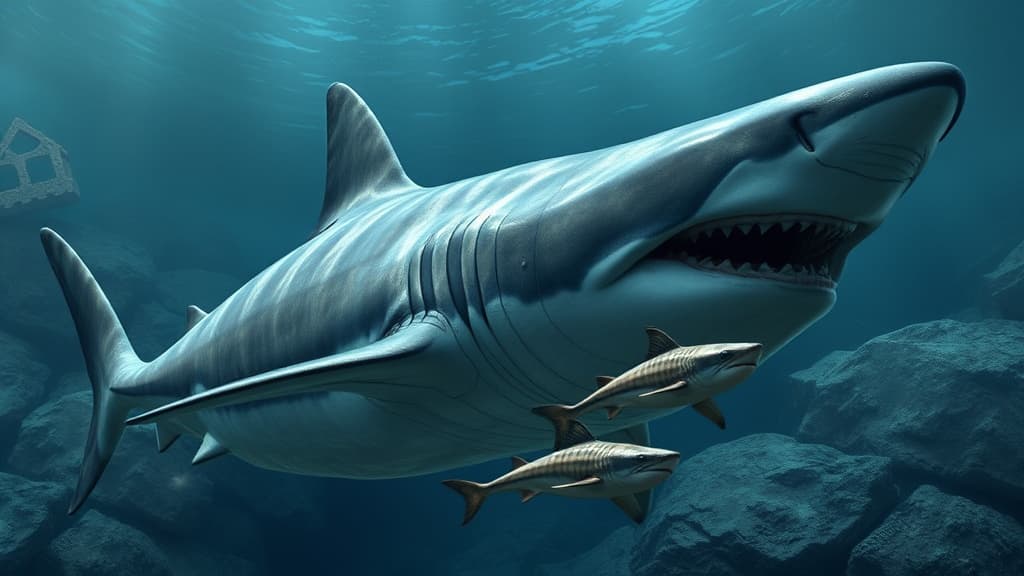
The rediscovery of lost Megalodon fossils has sent shockwaves through the scientific community, as the fossils were thought to have been destroyed in 1989. The fossils, which were found on a museum shelf, have been reanalyzed and the results are astounding.
Key Insights
The analysis suggests that the Megalodon could exceed 79 feet in length, making it one of the largest predators to have ever existed. Additionally, estimates suggest that newborn Megalodons may have measured around 12 feet, and the species could have lived for nearly a century. These findings provide new insights into the biology and ecology of this ancient giant.