KDE Plasma 6.8: The Wayland Transition
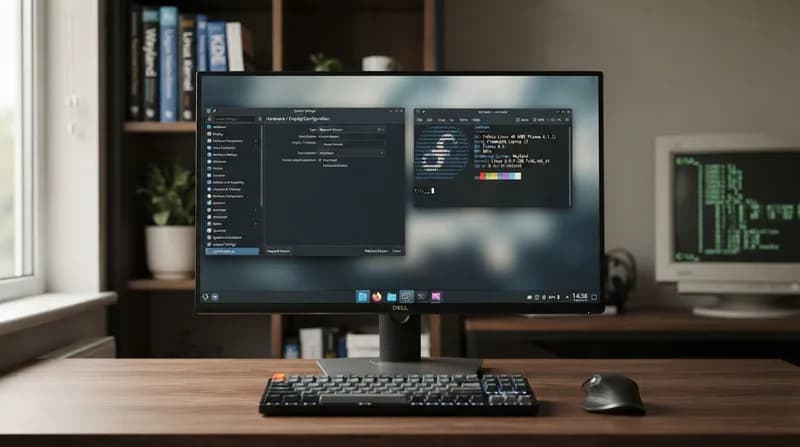
The KDE project is approaching a monumental milestone: its 30th anniversary. To mark the occasion, the development team is preparing for the release of Plasma 6.8, scheduled for October 14, 2026. This update is particularly significant as it represents a definitive shift in the platform's architecture. Starting with version 6.8, the desktop environment will run exclusively on the Wayland display protocol, effectively dropping support for the legacy X11 session. While X11 applications will remain functional through XWayland, the core desktop experience is now fully committed to modern display standards.
Beyond the architectural shift, the beta releases of Plasma 6.8 highlight ongoing aesthetic and functional refinements. The update includes a polished version of the beloved Oxygen theme, catering to long-time users who favor the classic aesthetic. Furthermore, the development team is continuing to iterate on the Union theme engine. Currently in its public preview stage, the engine is expanding its capabilities to style QtWidgets-based applications such as the Dolphin file manager and the Kate text editor, promising a more cohesive visual language across the entire KDE ecosystem.
Klassik: A Modern Tribute to KDE 3
For those who find the contemporary design of Plasma 6 too detached from the desktop's roots, the newly announced Klassik project offers a unique solution. Rather than relying on ancient codebases or unstable forks, Klassik is designed to recreate the visual identity and behavior of the iconic KDE 3 desktop within the modern Plasma 6 environment. By leveraging Qt 6, Qt Quick, and the current KDE Frameworks 6, the project successfully bridges the gap between early-2000s design and 2026-era performance.
Klassik faithfully replicates the workflow elements that defined the late-90s and early-2000s desktop experience, including the classic panel, K Menu, Quicklaunch, and the original Task Manager. Crucially, because it is built upon modern foundations, it supports features that the original KDE 3 could only dream of, such as fractional scaling and the Wayland display protocol. This approach ensures that users can enjoy the nostalgic interface of their youth without sacrificing compatibility with modern hardware or display resolutions.
The Landscape of KDE Preservation
The desire to preserve historical desktop paradigms has led to a vibrant ecosystem of forks and specialized desktop projects. While Klassik provides a modern recreation, other projects have chosen different paths:
- Trinity Desktop Environment (TDE): Perhaps the most robust preservation effort, TDE maintains a fork of Qt3 known as TQt. It remains a popular choice for users who want a truly native experience from the KDE 3.5 era, with active updates and support across numerous Linux distributions.
- Sonic Desktop: Designed for users who appreciate the functionality of modern Plasma but are not yet ready to migrate to Wayland, Sonic acts as a fork that retains essential X11 support through its own window manager, Sonic-win.
- MiDesktop: Aiming for the ultimate history buff, MiDesktop reaches back to the late 1990s, serving as a direct fork of KDE 1.1.2. It utilizes the Osiris toolkit, a derivative of Qt 2.3.2, providing an authentic look at the project's inception.
- Katana: Represents an attempt to preserve the KDE 4 era. While this version was historically divisive, the existence of a fork demonstrates the project's broad reach, though its development trajectory appears to have plateaued in recent years.
These initiatives ensure that as the mainstream KDE project pushes toward a Wayland-native future, the history of open-source desktop design remains accessible to every generation of user.