A Swift Return to Power
In a move that has captured the attention of the global tech sector, Jensen Huang has been reinstated as the CEO of Nvidia, a decision finalized less than two weeks after his abrupt resignation. His departure followed revelations concerning his personal conduct, specifically involving extramarital affairs. Among the allegations, reports surfaced suggesting that one of the individuals involved was under suspicion by the U.S. government for ties to foreign intelligence operations. Despite this turmoil, the Nvidia board moved quickly to return Huang to the helm, a decision reportedly bolstered by high-level political advocacy.
The Road to Capitol Hill
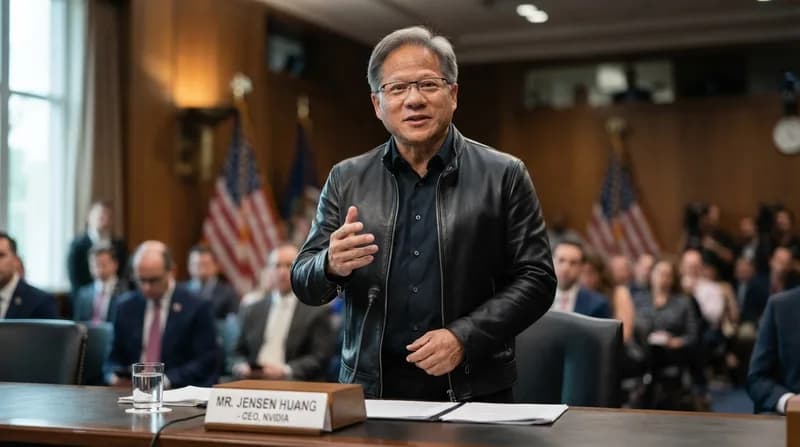
The executive's return to the corner office is merely the prelude to a series of intense legislative confrontations. According to official notices from the Senate Banking Committee, Huang is slated to testify on December 3. This appearance is of critical importance, as the committee maintains direct jurisdiction over the export control policies that govern how advanced semiconductor technology, particularly chips designed for artificial intelligence, reaches foreign markets.
Lawmakers are expected to press Huang on a range of sensitive issues. The bipartisan inquiry is set to cover his personal associations with suspected foreign actors and, more critically, whether those associations facilitated the unauthorized movement of high-performance chips into jurisdictions restricted by U.S. national security mandates. The hearing serves as a litmus test for both Nvidia's internal corporate governance and its compliance with federal export regulations.
Why It Matters
- National Security Nexus: Because Nvidia is the primary architect of the hardware powering the modern AI revolution, its leadership decisions directly intersect with American national security interests.
- Regulatory Pressure: The scrutiny follows growing concerns among legislators regarding chip-smuggling operations. If systemic vulnerabilities are identified, Nvidia could face stricter export compliance audits.
- Corporate Governance: The rapid reversal of the board’s decision to oust Huang—reportedly influenced by high-level political calls—highlights the blurred lines between Silicon Valley leadership and Washington D.C. interests.
Before his scheduled Senate appearance, Huang is already committed to testifying before several other key legislative bodies, including the House Foreign Affairs Committee, the House Intelligence Committee, and the Select Committee on the Chinese Communist Party. These engagements will likely define the trajectory of Nvidia’s regulatory standing as the company attempts to balance its massive global footprint with the increasingly hawkish stance of U.S. policy makers.