The Economic Horizon of AI
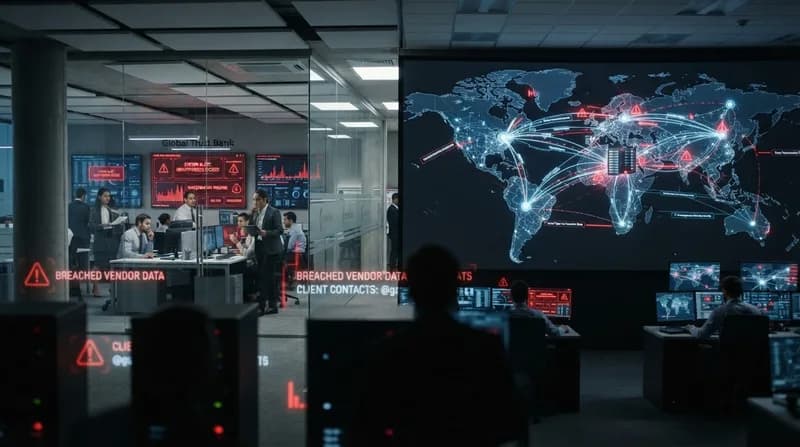
Kristalina Georgieva, the Managing Director of the International Monetary Fund (IMF), has issued a cautionary note regarding the current trajectory of the artificial intelligence boom. During recent high-level economic discussions, Georgieva suggested that global financial markets may face "a little bit more" of a correction as investors reconcile the immense hype surrounding AI technologies with the reality of long-term economic scalability and corporate returns.
This sentiment reflects growing anxiety among institutional observers who worry that equity markets have priced in near-perfect adoption scenarios for foundation models and AI infrastructure. As companies continue to pour billions into capital expenditures, the IMF is keeping a watchful eye on whether these investments will translate into the productivity gains required to justify such steep valuations.
Why It Matters
- Valuation Concerns: Financial analysts remain divided on whether current tech stock surges are driven by genuine utility or speculative bubbles.
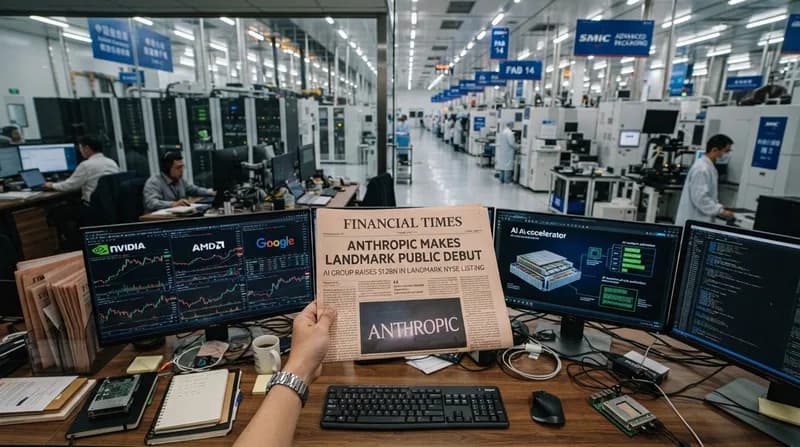
- Global Trade Pressures: Ongoing U.S. efforts to tighten restrictions on the export of advanced high-end semiconductor chips to China add a layer of geopolitical friction to the supply chain.
- Regulatory Ripple Effects: As governments move toward stricter policy frameworks, the cost of compliance for AI labs and corporations is expected to rise, potentially squeezing profit margins.
The IMF’s warning serves as a sobering reminder that the transition to an AI-integrated economy is rarely a straight line. Between potential market volatility and the escalating semiconductor trade wars, stakeholders are bracing for a period of adjustment. While the innovation cycle shows no signs of slowing down, the financial narrative behind AI appears to be entering a more scrutinized, and perhaps more volatile, phase of discovery. Investors should expect continued sensitivity to policy shifts and earnings reports as the sector matures into its next chapter of deployment and regulatory oversight.