A High-Level Confrontation
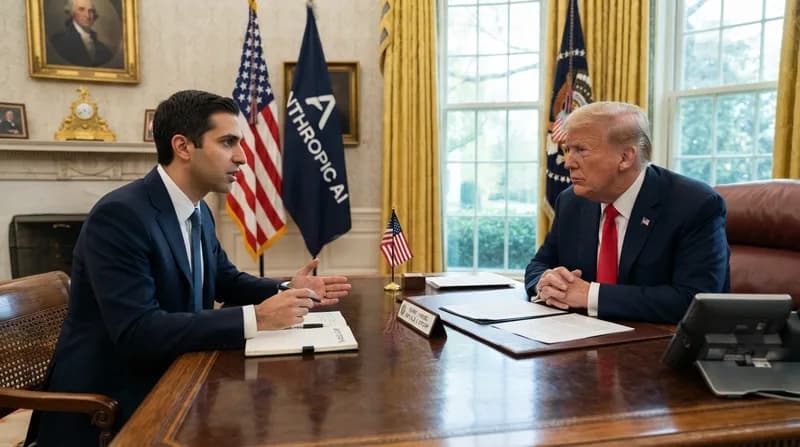
The landscape of artificial intelligence policy is reaching a critical inflection point as Anthropic CEO Dario Amodei prepares for a formal dinner at the White House with President Donald Trump. This meeting, first reported by Axios, marks a significant moment in the ongoing tension between the Silicon Valley AI leadership and the current administration. Amodei, who has become a prominent voice advocating for measured, safe AI development, will be engaging directly with a President who has publicly expressed skepticism regarding the severity of AI-related risks.
The meeting is particularly notable given the cooling relationship between Anthropic and the federal government. Earlier this year, the Pentagon labeled Anthropic a "supply-chain risk," a designation triggered by the company’s stringent efforts to implement safety guardrails within its AI models. Anthropic has actively contested this classification in court, arguing that its security-first approach is essential for the sustainable growth of the industry. This dinner represents a rare opportunity for both parties to bridge the gap between regulatory caution and presidential ambition.
Why It Matters: Bridging the Policy Gap
The dialogue between these two figures is not merely personal; it is emblematic of the broader struggle to define AI governance. The core disconnect centers on how the government views the trajectory of foundational models:
- Safety vs. Speed: Amodei’s recent push for a more cautious development lifecycle stands in direct contrast to the administration's aggressive posture on national competitiveness.
- Political Framing: President Trump has consistently characterized concerns regarding AI safety as politically motivated, even going as far as suggesting the industry move toward a "super intelligence" branding that bypasses current regulatory debates.
- Government Procurement: With the Pentagon currently viewing Anthropic’s safety-first protocols as a potential barrier to state integration, this meeting could serve as a catalyst for either a compromise or a deeper entrenchment of existing policies.
The outcome of this dinner could have profound implications for how AI research labs navigate federal requirements in the coming years. By moving the conversation out of courtrooms and public statements into a private, face-to-face setting, the industry may see a shift toward a new framework for AI deployment that balances technical safety with geopolitical necessity. As Amodei navigates this high-profile political landscape, the rest of the AI sector will be watching closely to see if his advocacy for controlled innovation finds a receptive ear in the White House or if the administration's skepticism remains unchanged.