Targeting the Binance Heist Haul
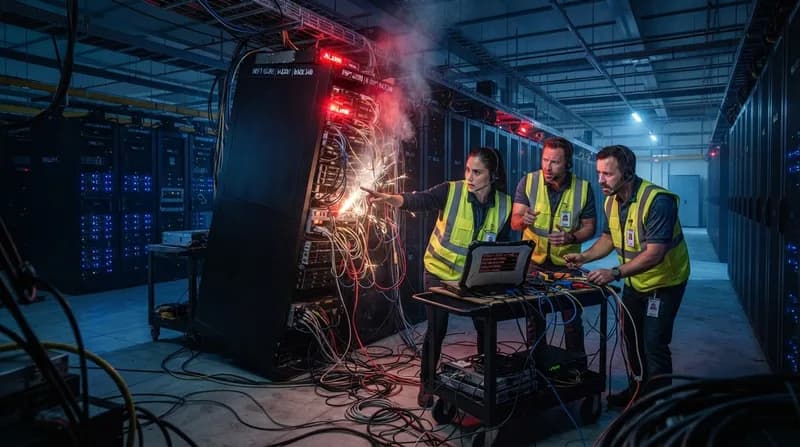
The U.S. Department of Justice has officially secured court authorization to seize or restrain over $1.2 billion in cryptocurrency assets linked to last month’s massive $6.3 billion Binance heist. This action represents a significant milestone in the ongoing investigation into the multi-stage cyber-attack, which federal authorities have definitively attributed to TraderTraitor, a hacking collective tied to the infamous North Korean Lazarus Group. The scale of the recovery operation is unprecedented, with federal investigators working alongside private-sector security firms to freeze a total of $2.7 billion in stolen assets since the October 29 breach.
Binance has characterized the original attack as a highly sophisticated campaign that originated months prior. The hackers reportedly utilized a complex sequence of social engineering tactics, including fake job interviews, malicious software installations, and the compromise of internal AI tooling. By manipulating endpoint security and exploiting advanced transaction-authorization methods, the attackers were able to siphon billions before triggering the largest crypto-related security crisis of the year. This latest DOJ intervention marks a concerted effort to ensure that the regime’s illicit financial gains are neutralized before they can be laundered through the global ecosystem.
Disrupting the 'FaceStealer' Infrastructure
Concurrent with the Binance asset recovery, the FBI has successfully disrupted a widespread North Korean social engineering campaign dubbed "FaceStealer." This operation, which has been active for the past 18 months and has resulted in the theft of over $400 million, specifically targets workers within the web3, cryptocurrency, and open-source software sectors. The primary objective of these incursions is to gain unauthorized entry into software repositories, thereby setting the stage for devastating supply chain attacks that can compromise larger tech ecosystems.
The mechanics of the "FaceStealer" operation highlight the terrifying evolution of social engineering in the age of AI. Attackers leverage hijacked accounts to send realistic calendar invites containing typo-squatted URLs. Once a victim joins the fake Zoom or Teams meeting, they are confronted with a prerecorded video of a trusted associate—or, in more advanced cases, a deepfake of a high-profile industry figure. When the victim reports audio issues, the scammers direct them to a link that installs crypto-stealing malware. The FBI has confirmed the seizure of more than 900 individual webcam recordings, underscoring the invasive nature of the group’s "Sapphire Sleet" operation and the severe risk posed by blending traditional phishing with emerging digital technologies.
Why it Matters
- Evolution of Threats: The shift toward deepfakes and synchronized social engineering represents a new threshold for cybersecurity, making traditional "human-element" training increasingly difficult to maintain.
- State-Sponsored Resilience: These actions confirm that North Korean hackers are not just operating for financial gain but are acting as a strategic revenue engine for the regime, prioritizing deep network access.
- Institutional Coordination: The recovery of $1.2 billion demonstrates that inter-agency cooperation between the DOJ, FBI, and private crypto-exchanges is becoming a critical firewall against state-sponsored cyber warfare.