ScienceTechnical Deep Dive

Hidden Supermassive Black Hole Unveiled After Star Shredding

Published
EElectricBuzz Editorial Team
Hidden Supermassive Black Hole Unveiled After Star Shredding
1 min read107 wordsElectricBuzz Editorial Team

The Gist

“Astronomers have made a groundbreaking discovery of a dormant supermassive black hole located approximately 30,000 light-years from its galaxy's center. The black hole was revealed after it shredded a passing star, producing a brief flare, and its origins are theorized to be either the remnant of a devoured galaxy or a result of a chaotic cosmic encounter.”

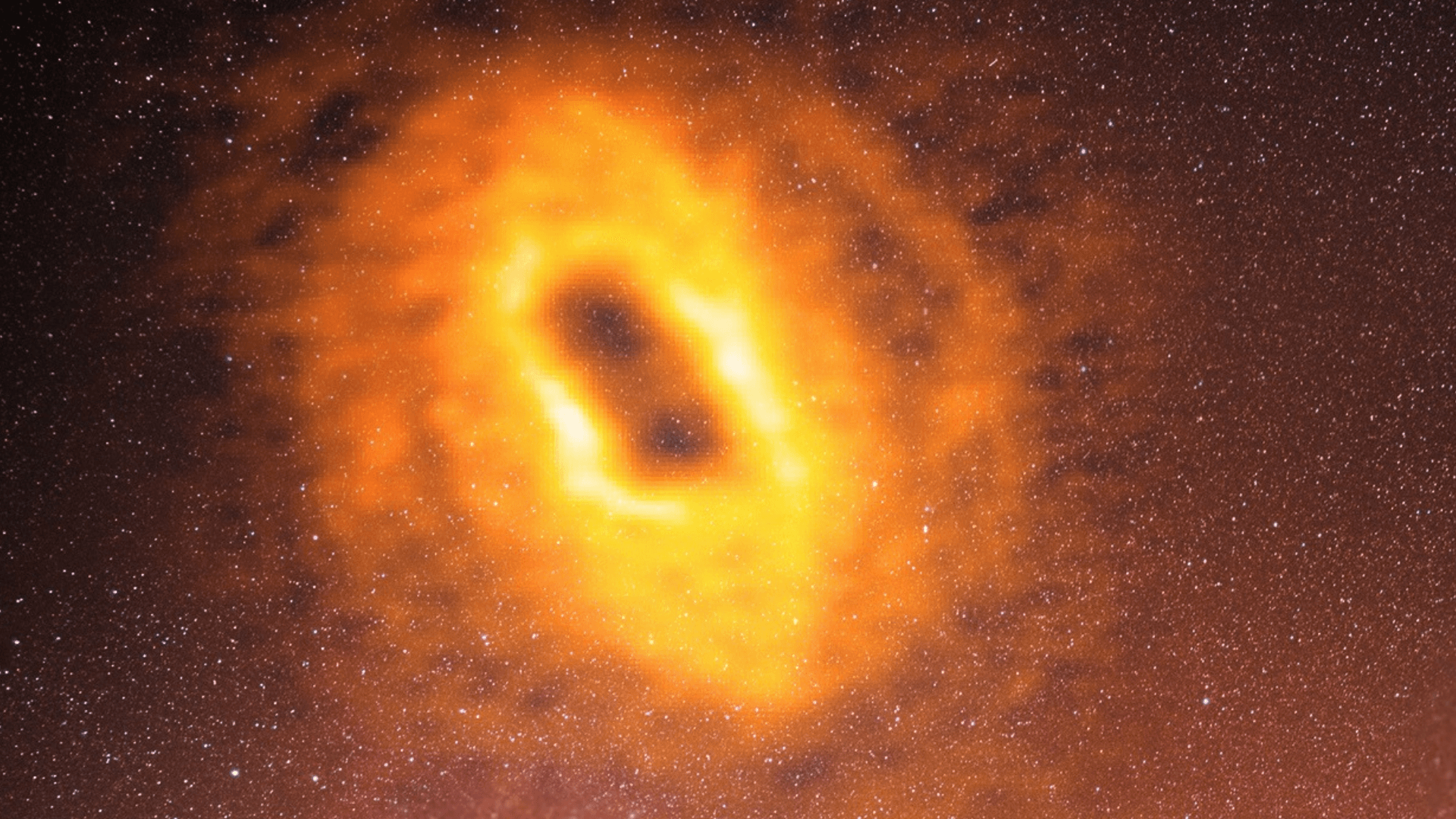
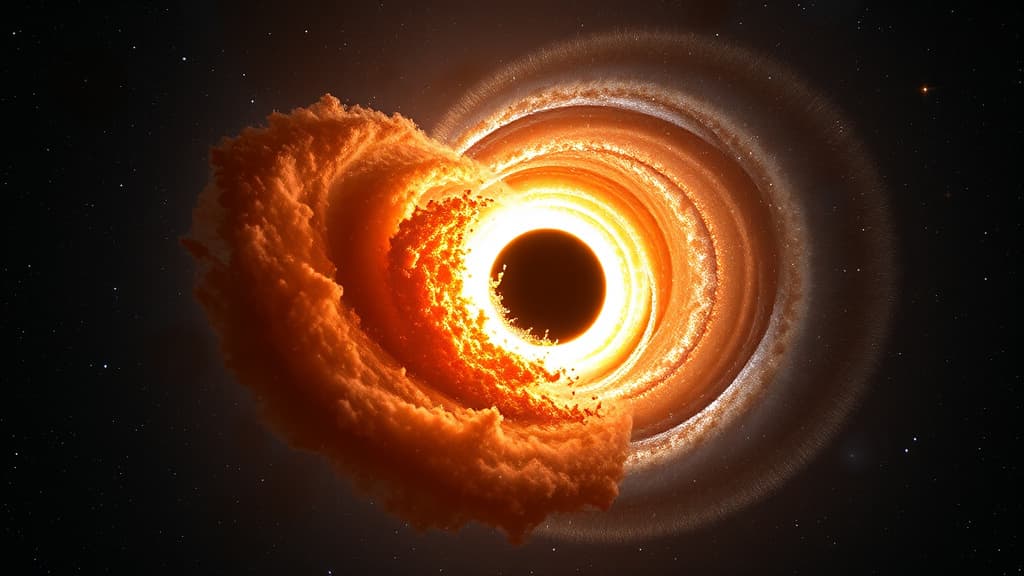
A team of astronomers has identified a previously hidden supermassive black hole, situated about 30,000 light-years away from the center of its galaxy. This monumental discovery was made possible when the black hole shredded a star that wandered too close, resulting in a brief yet intense flare that caught the attention of scientists.

Key Insights

The supermassive black hole is believed to have originated from either the remnants of a galaxy that was consumed by the current one or as a result of a violent cosmic collision that displaced it. Further research is needed to determine the exact nature and history of this massive, dormant black hole.

SPONSORED
The 5 Best Over-Ear ANC Headphones of 2026, Tested & Ranked
Editor's Pick Guide
92/100
Tech & Gadgets•12 min read

The 5 Best Over-Ear ANC Headphones of 2026, Tested & Ranked

We locked five over-ear ANC picks for 2026 — Sony WH-1000XM6, Bose QuietComfort Ultra 2, Soundcore Space One, Sennheiser Momentum 5, and Apple AirPods Max 2 — then stress-tested them on lab metrics, long-term owner truth, and live street prices.

Related Stories

Semantically matched articles, ranked by topic overlap and freshness.

Circadian Depression: The Breakthrough Discovery Challenging Standard Mental Health Treatment
Science

Circadian Depression: The Breakthrough Discovery Challenging Standard Mental Health Treatment

Researchers have identified a distinct biological subtype of depression linked to the body's internal clock, offering a new path for personalized treatment.

Cosmic Fossil: ALMA Telescope Captures a Star’s Final Nuclear Heartbeat
Science

Cosmic Fossil: ALMA Telescope Captures a Star’s Final Nuclear Heartbeat

Astronomers have used the ALMA radio telescope to snap a 'frozen' image of a dying star's last explosive moments, upending conventional theories about stellar evolution.

Quantum Leap: IBM Shatters Computing Barriers in 15 Minutes
Science

Quantum Leap: IBM Shatters Computing Barriers in 15 Minutes

IBM and University of Chicago researchers have achieved a landmark 'quantum advantage' milestone, completing a complex calculation that remains out of reach for classical supercomputers.

Why Modern Fertility Tech Isn't the Silver Bullet for Global Population Trends
Science

Why Modern Fertility Tech Isn't the Silver Bullet for Global Population Trends

A new international study suggests that while medical breakthroughs in IVF and reproductive science are life-changing for individuals, they cannot solve the systemic socioeconomic and environmental causes behind falling fertility rates.

Quantum Diamonds: The New Frontier in Semiconductor Inspection
Science

Quantum Diamonds: The New Frontier in Semiconductor Inspection

A breakthrough in quantum sensor technology is enabling manufacturers to see deep inside 3D semiconductor architectures with unprecedented magnetic precision.

Rewriting History: Was a Powerful Iron Age King Actually a Queen?
Science

Rewriting History: Was a Powerful Iron Age King Actually a Queen?

New archaeological research from Bournemouth University suggests that Verica, the leader who triggered the Roman invasion of Britain, was a woman, challenging centuries of gender assumptions.

Natural Bacterial Defense: New Mosquito Intervention Curbs Arboviral Spread in Brazil
Science

Natural Bacterial Defense: New Mosquito Intervention Curbs Arboviral Spread in Brazil

A major clinical trial reveals that introducing Wolbachia-infected mosquitoes can reduce infection rates of dengue, Zika, and chikungunya by nearly 70% in high-transmission zones.

Brain Circuit Breakthrough: Scientists Unlock The Neural Switch for Sleep
Science

Brain Circuit Breakthrough: Scientists Unlock The Neural Switch for Sleep

Researchers at the University of Basel have identified specific brain cells that dictate the 'urge' to sleep, allowing mice to function with 70% less rest.