ScienceTechnical Deep Dive

Asteroids Could Supply Materials for Mars Colonization

Published
EElectricBuzz Editorial Team
Asteroids Could Supply Materials for Mars Colonization
1 min read80 wordsElectricBuzz Editorial Team

The Gist

“Metal-rich asteroids may serve as a source of materials for building and repairing a Mars colony, with some potentially reachable using current spacecraft technology. These asteroids could also provide ingredients for making rocket fuel in space, reducing the need for Earth-based supplies.”

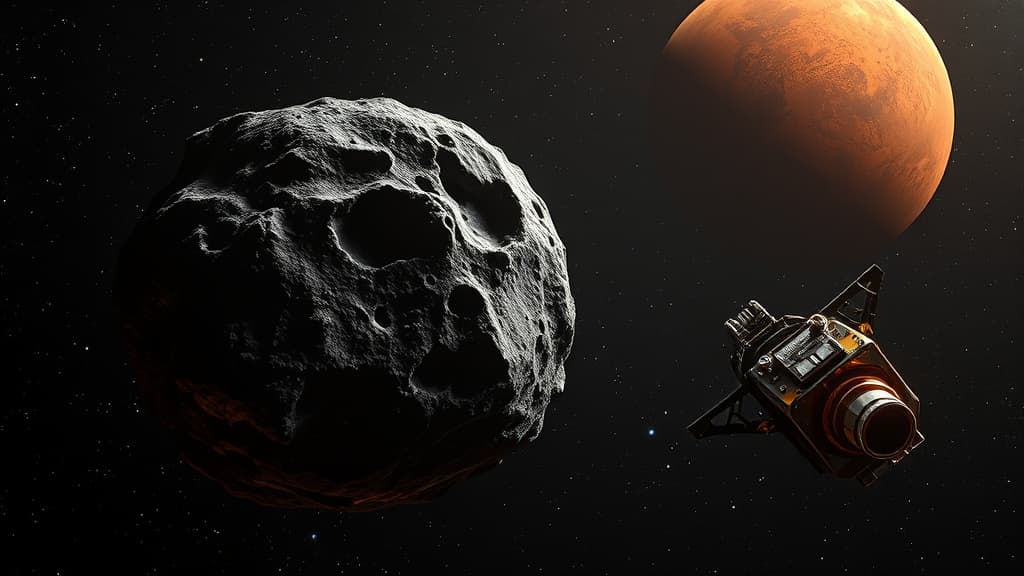
Metal-rich asteroids may hold the key to establishing a sustainable human presence on Mars, by providing a source of materials for construction and repair. This innovative approach could significantly reduce reliance on Earth-based supplies, making long-term space missions more feasible.

Key Insights

Asteroids may provide the necessary materials for Mars colonization, with some being reachable using current spacecraft technology. Additionally, these asteroids could be utilized to produce rocket fuel in space, further diminishing the need for resupply missions from Earth.

SPONSORED
The 5 Best Over-Ear ANC Headphones of 2026, Tested & Ranked
Editor's Pick Guide
92/100
Tech & Gadgets•12 min read

The 5 Best Over-Ear ANC Headphones of 2026, Tested & Ranked

We locked five over-ear ANC picks for 2026 — Sony WH-1000XM6, Bose QuietComfort Ultra 2, Soundcore Space One, Sennheiser Momentum 5, and Apple AirPods Max 2 — then stress-tested them on lab metrics, long-term owner truth, and live street prices.

Related Stories

Semantically matched articles, ranked by topic overlap and freshness.

Circadian Depression: The Breakthrough Discovery Challenging Standard Mental Health Treatment
Science

Circadian Depression: The Breakthrough Discovery Challenging Standard Mental Health Treatment

Researchers have identified a distinct biological subtype of depression linked to the body's internal clock, offering a new path for personalized treatment.

Cosmic Fossil: ALMA Telescope Captures a Star’s Final Nuclear Heartbeat
Science

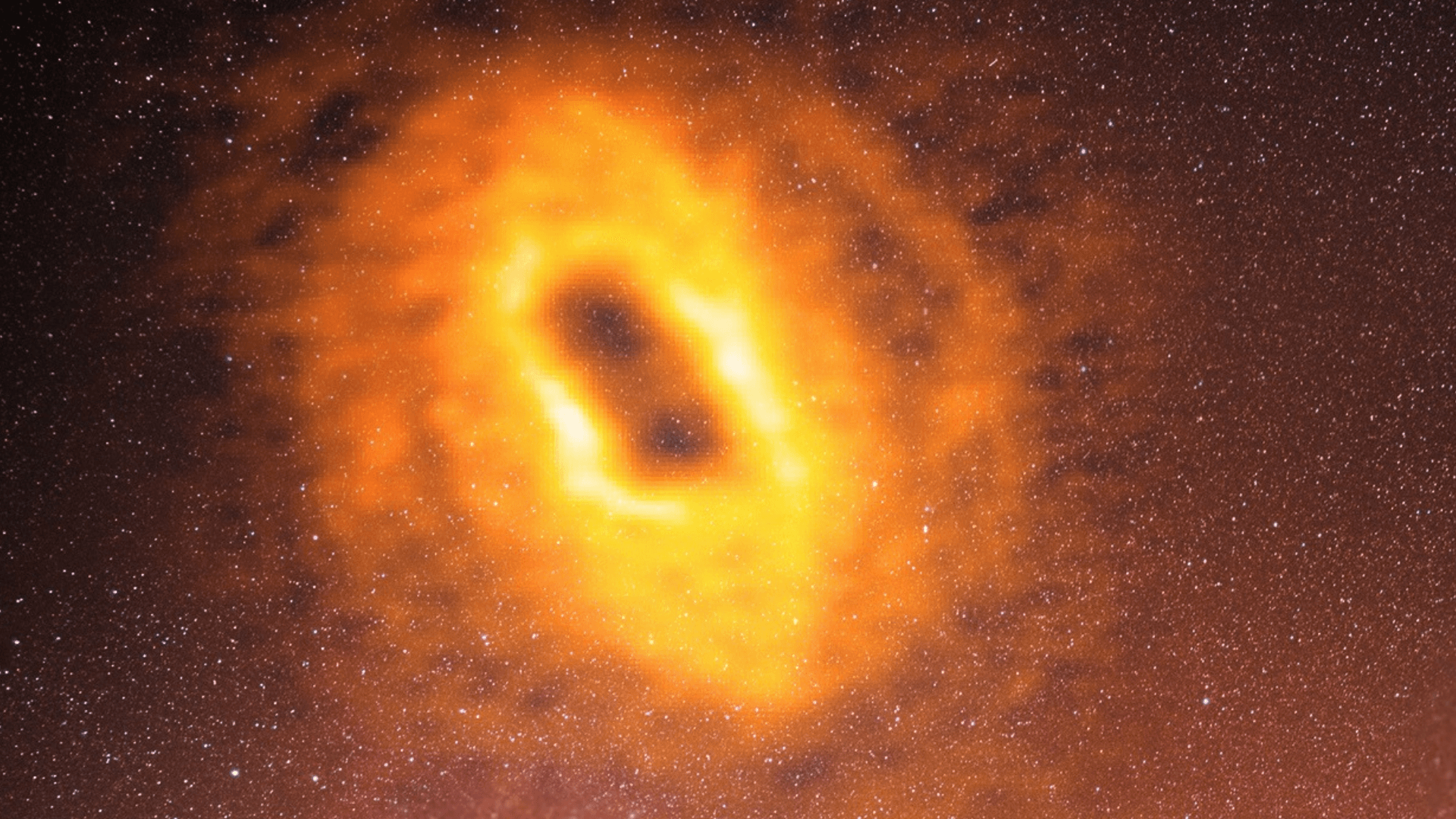
Cosmic Fossil: ALMA Telescope Captures a Star’s Final Nuclear Heartbeat

Astronomers have used the ALMA radio telescope to snap a 'frozen' image of a dying star's last explosive moments, upending conventional theories about stellar evolution.

Quantum Leap: IBM Shatters Computing Barriers in 15 Minutes
Science

Quantum Leap: IBM Shatters Computing Barriers in 15 Minutes

IBM and University of Chicago researchers have achieved a landmark 'quantum advantage' milestone, completing a complex calculation that remains out of reach for classical supercomputers.

Why Modern Fertility Tech Isn't the Silver Bullet for Global Population Trends
Science

Why Modern Fertility Tech Isn't the Silver Bullet for Global Population Trends

A new international study suggests that while medical breakthroughs in IVF and reproductive science are life-changing for individuals, they cannot solve the systemic socioeconomic and environmental causes behind falling fertility rates.

Quantum Diamonds: The New Frontier in Semiconductor Inspection
Science

Quantum Diamonds: The New Frontier in Semiconductor Inspection

A breakthrough in quantum sensor technology is enabling manufacturers to see deep inside 3D semiconductor architectures with unprecedented magnetic precision.

Rewriting History: Was a Powerful Iron Age King Actually a Queen?
Science

Rewriting History: Was a Powerful Iron Age King Actually a Queen?

New archaeological research from Bournemouth University suggests that Verica, the leader who triggered the Roman invasion of Britain, was a woman, challenging centuries of gender assumptions.

Natural Bacterial Defense: New Mosquito Intervention Curbs Arboviral Spread in Brazil
Science

Natural Bacterial Defense: New Mosquito Intervention Curbs Arboviral Spread in Brazil

A major clinical trial reveals that introducing Wolbachia-infected mosquitoes can reduce infection rates of dengue, Zika, and chikungunya by nearly 70% in high-transmission zones.

Brain Circuit Breakthrough: Scientists Unlock The Neural Switch for Sleep
Science

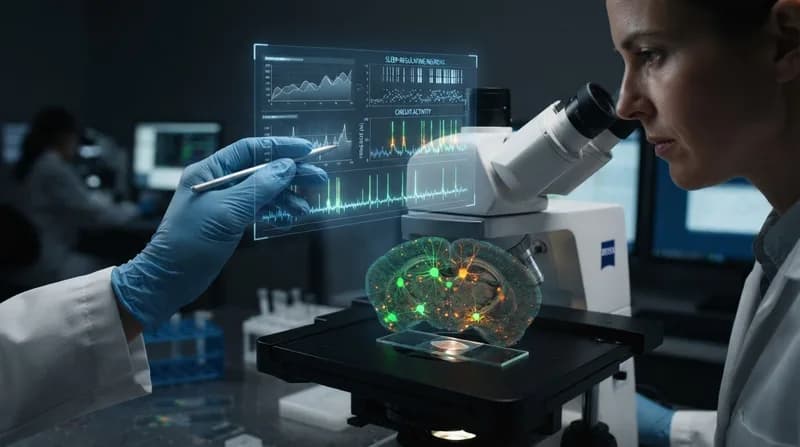
Brain Circuit Breakthrough: Scientists Unlock The Neural Switch for Sleep

Researchers at the University of Basel have identified specific brain cells that dictate the 'urge' to sleep, allowing mice to function with 70% less rest.