AI Unlocks Key to T Cell Behavior
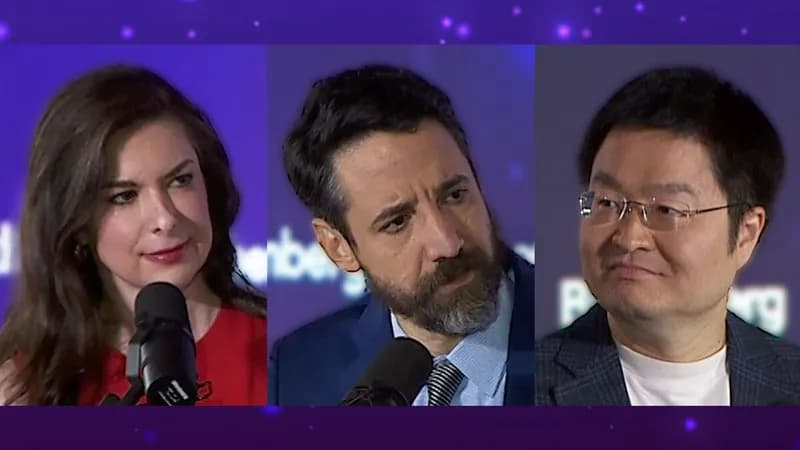
In a groundbreaking development that underscores the burgeoning role of artificial intelligence in scientific discovery, OpenAI's GPT-5 Pro has been instrumental in solving a three-year-old immunology mystery. Immunologist Derya Unutmaz leveraged the powerful AI model to gain crucial insights into the complex behavior of T cells, a fundamental component of the human immune system.
The long-standing puzzle revolved around specific mechanisms of T cell function, an area critical for understanding both disease and immunity. By processing vast amounts of data and identifying intricate patterns that previously eluded human analysis, GPT-5 Pro helped pinpoint the missing links in the T cell behavioral chain.
This significant breakthrough is not merely an academic achievement; it carries profound implications for future medical research. Enhanced understanding of T cell dynamics could pave the way for more effective treatments and potential cures for a range of conditions, including:
- Various forms of cancer, by improving immunotherapy strategies.
- Autoimmune diseases, by better regulating immune responses.
- Infectious diseases, through more targeted vaccine development.
The collaboration highlights AI's growing capacity to accelerate scientific progress, offering researchers a powerful tool to unravel some of biology's most complex questions.