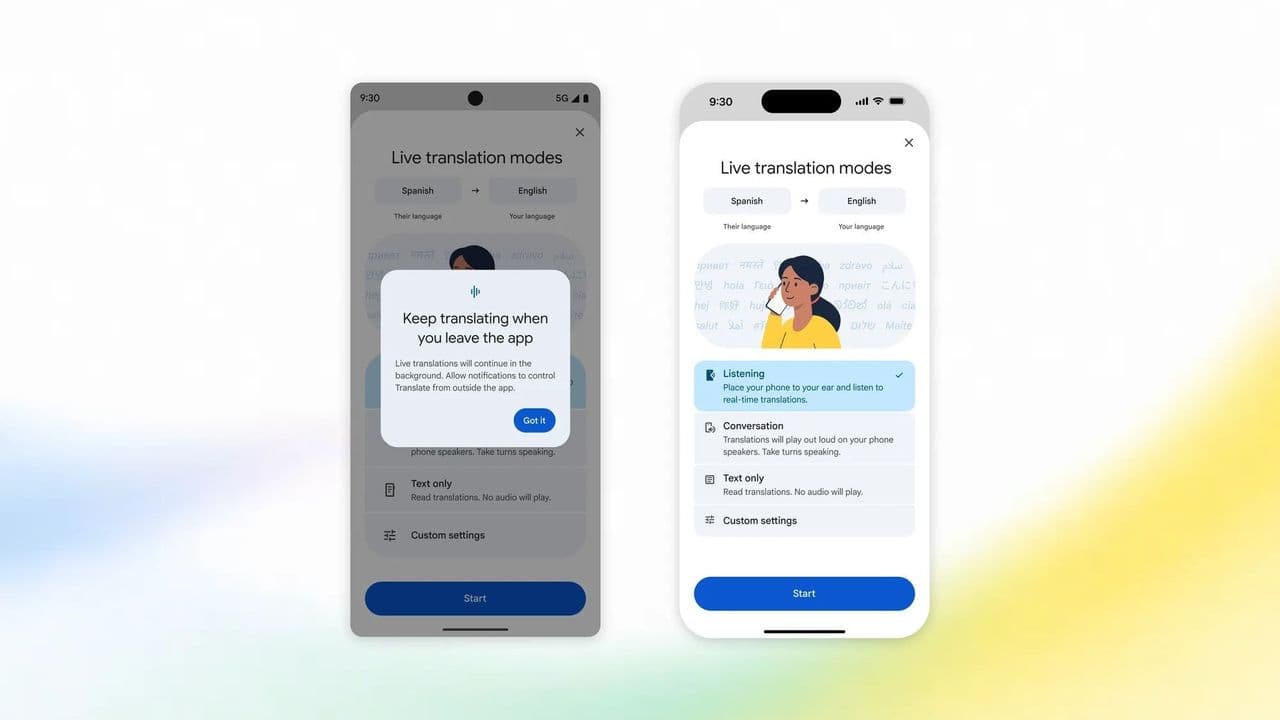
Seamless Translation Integration
Google is pushing to make its translation capabilities a foundational element of the Android experience. By integrating advanced language processing directly into the operating system's framework, users can expect a more fluid interaction between third-party applications and real-time linguistic support. This shift moves beyond simple text translation, aiming for a system-wide utility that works contextually as users navigate different apps.
The update leverages sophisticated on-device processing to ensure that translations remain fast and private. By minimizing the need for cloud round-trips, the system provides instantaneous feedback, which is particularly beneficial for users interacting with foreign-language interfaces or messaging apps in real-time. This architectural refinement represents a significant step toward a truly multilingual mobile environment.
Why It Matters
- System-Wide Accessibility: By embedding translation into the Android core, Google allows any app—regardless of its native language support—to potentially offer localized experiences.
- Performance Optimization: Utilizing local hardware acceleration reduces latency, ensuring that translation doesn't become a bottleneck for mobile performance.
- User-Centric Design: This move signals a shift toward a more inclusive OS where language barriers are managed at the software layer rather than requiring users to manually copy-paste text into external tools.
The broader implications of this development suggest a future where Android devices act as universal translators for daily life. As these features roll out through beta channels, they underscore Google’s commitment to utilizing their dominant software position to solve legacy connectivity issues. Developers are being encouraged to tap into these new APIs, which will likely result in an ecosystem where language becomes secondary to the user experience. By focusing on the underlying infrastructure, Google isn't just updating an app; it is fundamentally evolving how information flows across the Android ecosystem, making global communication as simple as opening an application.