The Shift Toward Tech-Linked Currencies
As the global economy grapples with the transformative influence of artificial intelligence, major financial institutions are shifting their strategic focus toward Asia. Goldman Sachs Group Inc. and ING Bank NV have emerged as key proponents of the theory that currencies tethered to the tech hardware supply chain are poised for significant growth in the coming year. This bullish outlook is predicated on the sustained, massive capital expenditures flowing into AI infrastructure and a forecasted softening of the U.S. dollar.
Key Regional Performance Outlooks
Goldman Sachs has specifically highlighted the South Korean won, the Taiwan dollar, and the Malaysian ringgit as standout performers. These currencies are deeply integrated into the global technology ecosystem, benefiting directly from the insatiable demand for AI-ready hardware, semiconductors, and high-performance computing components. By positioning these markets as leaders, analysts suggest that the ongoing AI hardware cycle provides a fundamental layer of economic resilience.
Meanwhile, ING Bank is prioritizing the Singapore dollar as its top pick for Southeast Asia. In the North Asian sector, ING aligns with the consensus, favoring the Korean won and Taiwan dollar as primary beneficiaries of the digital revolution. These market assessments suggest that investors are moving beyond speculative tech stocks and are now eyeing the macroeconomic movements of the nations that build the backbone of the AI era.
Why It Matters
- Supply Chain Power: The dominance of Taiwan and South Korea in high-end semiconductor manufacturing links their domestic currencies directly to the health of the global AI sector.
- Capital Conversion: Exporters in these regions are increasingly converting overseas dollar earnings back into local currencies, providing a structural lift to regional exchange rates.
- Valuation Trends: Analysts at Morgan Stanley point to the Taiwan dollar as a particularly attractive asset, citing relatively cheap valuations that offer significant upside as tech sentiment recovers.
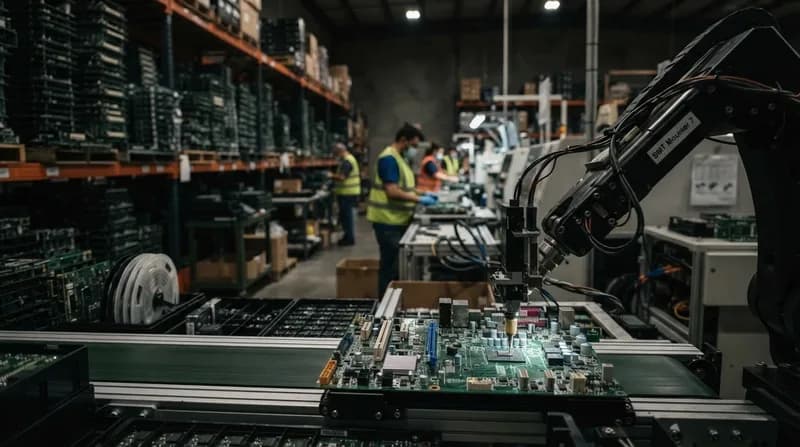
Ultimately, the financial narrative is clear: the AI boom is not just a software phenomenon. It is a physical, hardware-heavy infrastructure expansion that is fundamentally altering currency dynamics. As global banks reposition their portfolios, the focus remains firmly on the hubs of innovation where the physical components of AI—from chips to processors—are manufactured and exported to the rest of the world.