A Proactive Stance on Memory Pricing
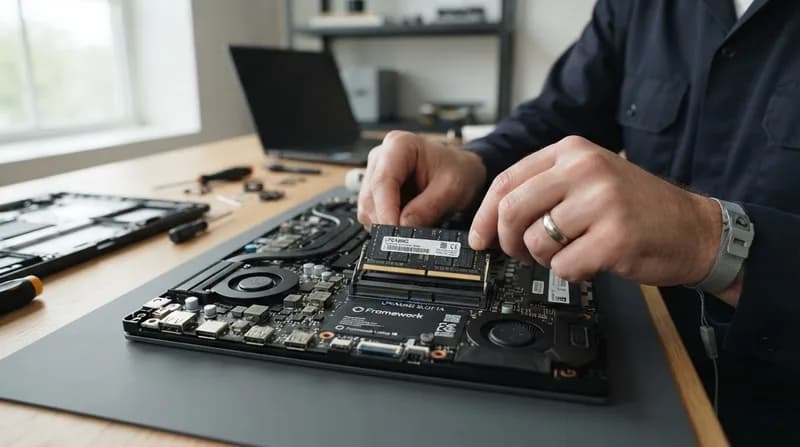
In a move that highlights the challenges of hardware supply chain management, modular laptop manufacturer Framework has announced a refund program for customers who paid premium prices for memory during a period of extreme cost fluctuation. The company recently grappled with a significant surge in the price of LPCAMM2 memory modules, a specialized component integral to its latest high-performance machines. Earlier this year, the company warned that unexpected supplier cost increases forced it to navigate difficult pricing decisions, including the temporary reduction of memory allocations for certain pre-orders to maintain operational viability.
The situation began when Framework’s LPCAMM2 suppliers hit the company with a massive, double-digit cost increase that far exceeded original forecasts. Rather than simply passing these costs indefinitely to the end-user, Framework is now correcting its pricing structure following a successful procurement of 32GB and 64GB Micron memory modules at more manageable rates. This adjustment allows the company to retroactively pass savings back to customers who had already purchased or pre-ordered their devices during the peak price window.
The Logistics of the Refund
The refund program is categorized into two distinct groups of affected users. For customers who have already received their machines, Framework is processing partial refunds that reflect the price difference between the inflated costs of July and the current, more stable market rates. For those with pending pre-orders, the company is automatically applying a price reduction to their existing invoices. Furthermore, the company is granting these customers the flexibility to modify their pre-order configurations to include higher memory capacities at the newly adjusted, lower price points.
Why it Matters
- Transparency in Hardware Pricing: By acknowledging cost fluctuations and retroactively applying discounts, Framework is setting a high bar for customer-centric policies in the DIY laptop space.
- Supply Chain Realities: The struggle with LPCAMM2 memory modules illustrates the volatility of next-generation components, where limited supply can lead to dramatic cost shifts that ripple through the entire consumer electronics sector.
- Industry Comparisons: While major players like HPE and storage vendors have also navigated these waters by honoring historical quotes through long-term supply agreements, Framework’s transparent communication sets a unique precedent for boutique hardware manufacturers.
An Outlook on Hardware Costs
The tech industry remains susceptible to the aggressive pricing strategies of memory giants like Micron and SK Hynix. As these manufacturers enjoy record-high margins, smaller hardware firms are often forced to choose between absorbing costs, hiking retail prices, or stalling production. Framework’s decision suggests a strategy of prioritizing brand loyalty and community trust, standing in stark contrast to the broader industry trend where larger corporations simply pass hardware price hikes directly to consumers through inflated final product costs.