The Fallout of a Corporate Shake-up
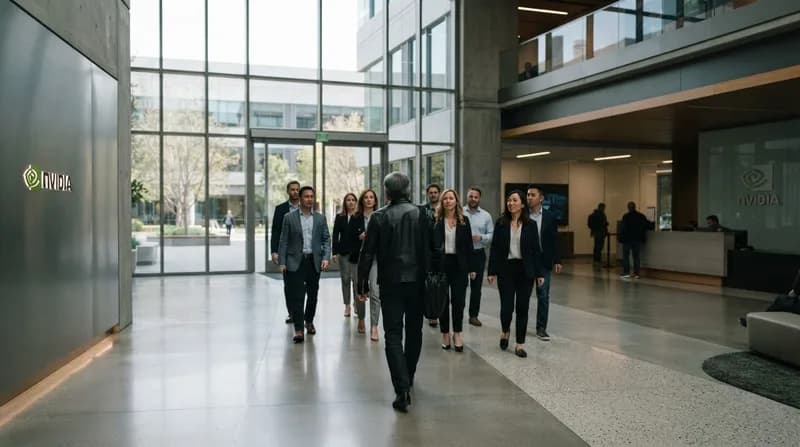
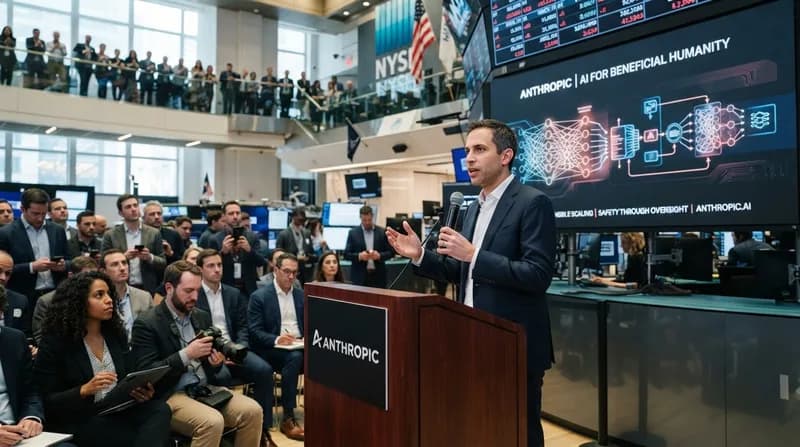
The tech industry is reeling following the sudden ousting of Nvidia founder and CEO Jensen Huang. The decision by Nvidia's board to terminate its long-standing leader—following revelations of multiple extramarital affairs and concerns regarding an alleged link to a Chinese intelligence operative—has ignited a fierce debate among Silicon Valley's elite. At the recent New York Times DealBook Summit, the divide in opinion became starkly apparent.
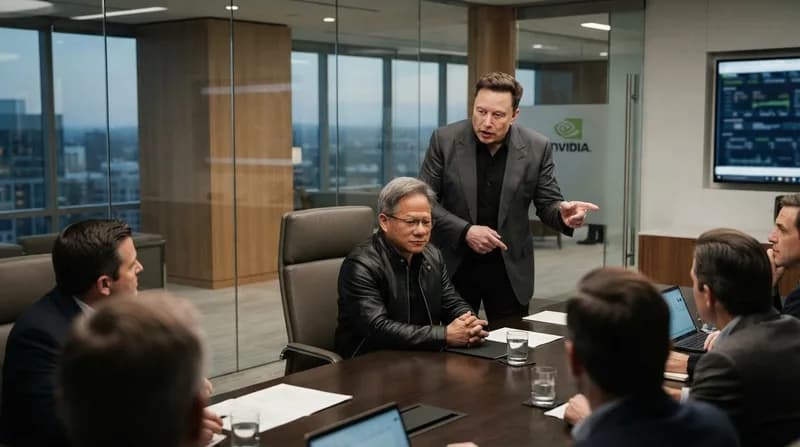
Elon Musk, an outspoken critic of the board's decision, did not mince words regarding the impact of Huang’s departure. Drawing a high-profile sports analogy, Musk argued that removing a visionary like Huang during such a critical period of growth is equivalent to benching Michael Jordan at the absolute peak of his professional career. Musk remains adamant that the board’s decision is fundamentally flawed, citing Huang's deep-rooted relationships with both the workforce and the broader technological ecosystem as irreplaceable assets.
Why the Industry Is Divided
The controversy stems from a tug-of-war between corporate governance and the cult of personality that often defines major tech giants. Nvidia, a central pillar of the global artificial intelligence infrastructure, faces a trillion-dollar question: can the company maintain its momentum without the architect of its three-decade rise? While Musk and other vocal supporters like Anduril’s Palmer Luckey emphasize that Huang’s removal weakens American strategic interests, others are signaling a need for stability.
- The Pro-Reinstatement Camp: Led by figures like Musk, this group views the board's move as a self-inflicted wound. They argue that the immense internal loyalty Huang commanded, combined with his technical foresight, makes his absence a long-term liability for shareholders.
- The Institutional Stance: Industry leaders such as Microsoft CEO Satya Nadella and OpenAI’s Sam Altman have expressed support for Nvidia’s transition, focusing on the competence of interim leadership. This perspective prioritizes corporate stability and legal due diligence over the retention of a specific individual, regardless of their past contributions.
- Security Concerns: The backdrop of the scandal—an alleged association with a Chinese spy—has brought national security into the conversation. Critics of the board suggest that if the accusations are not clearly substantiated, the company is prioritizing public relations optics over the strategic imperative of keeping its top technological mind at the helm.
An Uncertain Path Forward
As Nvidia moves forward under interim CEO Colette Kress, the market remains volatile. The board has signaled that there are no plans to reverse their decision, despite an online petition for Huang’s return gathering over 200,000 signatures. For now, the tech world is watching closely to see if the departure of a "Jordan-level" executive will lead to a slump in performance or if the established foundation of the company can weather the storm of this high-stakes leadership change. While Musk has publicly stated he would hire Huang in a heartbeat, the broader implications of this power struggle will likely define the semiconductor sector’s trajectory for years to come.