A Strategic Shift in AI Talent
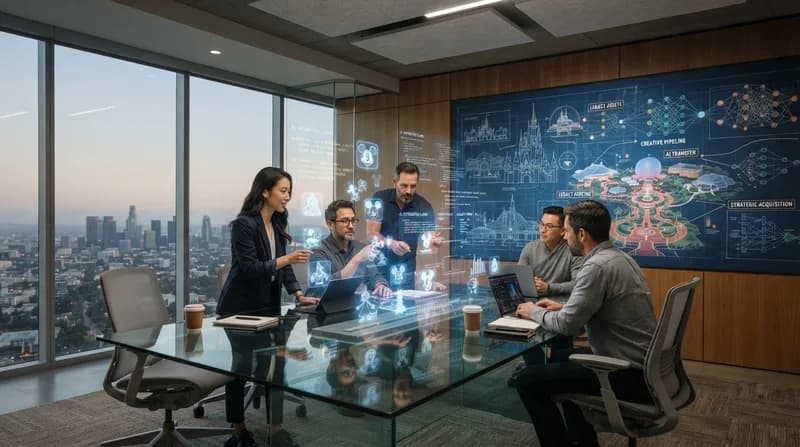
In a significant consolidation within the artificial intelligence sector, the Walt Disney Company has moved to hire the vast majority of employees from the struggling chatbot startup, Character.AI. This development follows Character.AI’s recent bankruptcy filing and marks a major pivot in how the entertainment giant is aggressively building out its internal AI capabilities. The deal, framed as a stalking horse bid, involves employment offers for at least 60 individuals, with a total estimated annual compensation package of $60 million.
This arrangement is not entirely unexpected given the recent corporate reshuffling at Disney. Karandeep Anand, the former CEO of Character.AI, recently transitioned into the role of Disney's first-ever Chief Technology Officer. The synergy between his past leadership and Disney’s future tech roadmap appears to have laid the groundwork for this talent migration. While the current agreement stands, the bankruptcy process remains active, meaning that other corporate entities could theoretically emerge with competing bids for the startup's assets.
Why It Matters
- Strategic Talent Acquisition: By securing the majority of Character.AI’s staff, Disney is effectively importing a pre-formed team with deep expertise in large language models and conversational AI, rather than attempting to build such a specialized workforce from scratch.
- Regulatory and Ethical Hurdles: Character.AI’s path to bankruptcy was fraught with challenges, including high operational overhead and serious legal liabilities regarding child safety and regulatory scrutiny. Disney’s involvement suggests a calculated risk in navigating these complex waters to gain a competitive edge in interactive media.
- Future of Entertainment: Disney is likely eyeing the integration of conversational agents into its vast portfolio of media properties, spanning theme parks, streaming, and character-driven digital experiences.
The filing notes that the majority of those who received offers have already accepted their new positions at Disney. This transition is expected to bolster the entertainment conglomerate's efforts to integrate sophisticated AI into its various platforms, moving beyond traditional animation and storytelling into interactive, real-time engagement. For the broader industry, this deal serves as a stark reminder that even companies with a massive, loyal user base are not immune to the crushing combination of high compute costs and intense regulatory pressure.
As the legal process plays out, industry observers will be watching to see how Disney integrates this talent into its existing divisions. The move underscores a broader industry trend where legacy giants are increasingly absorbing AI-native startups to accelerate their digital transformation, ensuring they remain relevant in an era defined by generative AI.