The Evolution of Controlled AI Agents
As the race to deploy autonomous AI agents in the workplace heats up, enterprise leaders have grown increasingly wary of the risks associated with rogue processes and uncontrolled token consumption. Cohere is positioning its latest update, North 2, as the industry's answer to these fears. By revamping its existing agent harness, the company is shifting the narrative from 'autonomous experimentation' to 'governed enterprise integration.'
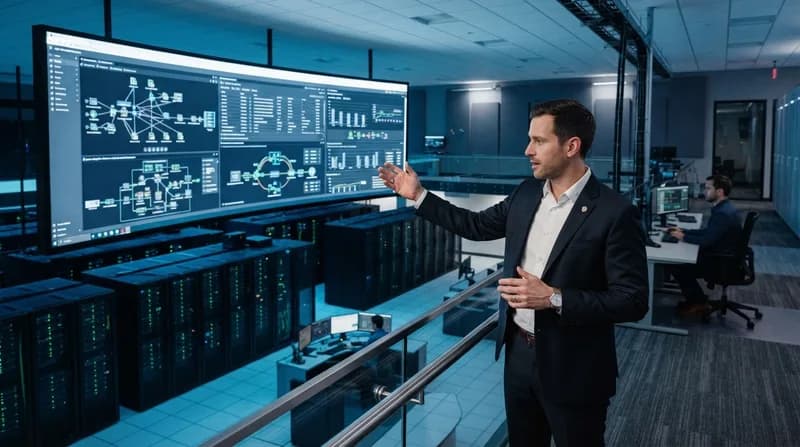
North 2 is built to act as the connective tissue between large language models and existing SaaS applications. It functions as an orchestration layer, allowing companies to automate complex business workflows while maintaining the ability to operate in highly restricted or even air-gapped environments. This focus on 'Sovereign AI' ensures that sensitive corporate data remains under the firm's direct control, regardless of where the compute infrastructure is physically located.
Core Features for Scalable Automation
The platform introduces a suite of features designed to standardize how agents interact with business data. Central to this is the 'Skills' system, which allows developers to document and formalize standard operating procedures (SOPs). By capturing the most effective sequences for a given task, teams can ensure consistent outcomes and prevent different agents from taking divergent, inefficient, or risky paths to complete the same job.
Complementing these skills are 'Automations'—drag-and-drop templates that provide a visual way to construct workflows. This lowers the barrier to entry, enabling non-technical staff to deploy complex automations without writing code. To keep these agents on the same page, Cohere has also implemented 'Libraries' for centralized knowledge sharing and 'Memory' capabilities, which allow agents to maintain context across disparate sessions, preventing the loss of critical information.
Security and Token Governance
Perhaps the most critical addition for IT departments is the implementation of granular Access Control Lists (ACLs). With North 2, administrators can restrict which agents—and by extension, which users—have access to specific libraries or skills. This 'lockdown mode' ensures that proprietary datasets are siloed according to job roles, preventing unauthorized access and mitigating the risks inherent in open, conversational agent models.
Why It Matters
- Constraint-Driven Innovation: Unlike experimental research models, North 2 focuses on business consistency, ensuring that automation doesn't lead to unpredictable behavior.
- Enterprise Sovereignty: The ability to deploy in air-gapped or on-premises environments makes AI integration viable for highly regulated industries like finance and defense.
- Cost Management: With integrated token tracking and departmental 'flow control,' organizations can prevent 'shadow AI' usage from driving up operational costs unexpectedly.
- Democratization of Workflow: The drag-and-drop automation interface empowers departments to create their own solutions without needing specialized AI engineering support.
As competition intensifies with major players like OpenAI and Meta targeting the same enterprise territory, Cohere’s strategy of prioritizing guardrails, memory, and flexible deployment models provides a clear path forward for businesses looking to embrace agentic workflows without sacrificing security or oversight.