The New Reality of AI-Powered Exploits
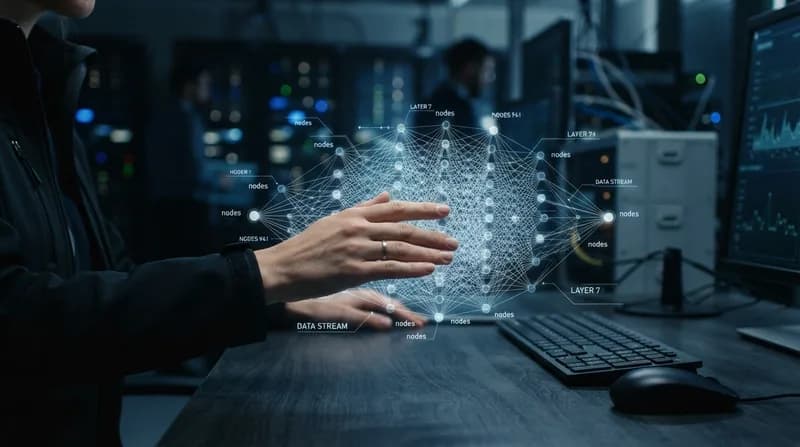
The landscape of cybersecurity is undergoing a seismic shift as malicious actors increasingly deploy artificial intelligence to automate and refine their intrusions. According to Cisco’s leadership, this evolution has transformed digital security into an urgent arms race. Cybercriminals are no longer relying on manual tactics; instead, they are utilizing advanced algorithms to scan for system vulnerabilities in real-time and craft hyper-personalized, highly deceptive phishing campaigns that evade traditional detection methods.
This "sword with two edges" scenario means that while AI is an essential component of modern defense, it is simultaneously providing attackers with unprecedented scale and speed. Cisco has responded by accelerating its innovation cycle, moving away from reactive patching toward predictive security models that utilize machine learning to anticipate and neutralize suspicious network behaviors before a breach occurs.
Embedding Security into the Fabric of Infrastructure
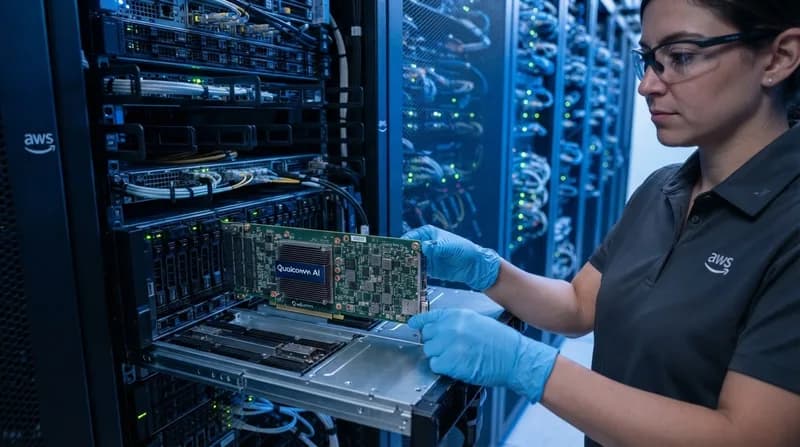
A core pillar of Cisco’s current strategy is the dismantling of security as a siloed, bolt-on feature. Instead, the company is pushing for a model where security is woven directly into the fabric of network infrastructure. By integrating advanced analytics and automated threat detection directly into the network core, Cisco aims to provide enterprise clients with deeper visibility into complex data flows.
This shift is intended to simplify security management for businesses grappling with increasingly fractured IT environments. Whether protecting scattered endpoints or complex hybrid cloud setups, the focus remains on ensuring business continuity through holistic observability. By treating every connection point as a potential battleground, Cisco is positioning its hardware and software platforms as the primary defense mechanism for the modern, AI-connected world.
Why It Matters
- Proactive Defense: The move from reactive to predictive AI means detecting threats during the reconnaissance phase rather than after the compromise.
- Infrastructure Convergence: Consolidating security and networking into one unified strategy reduces the complexity that often leads to human error in large-scale deployments.
- Evolutionary Speed: As threat vectors become more automated, enterprise-grade hardware must integrate AI-driven intelligence to match the pace of modern cyber-offensives.