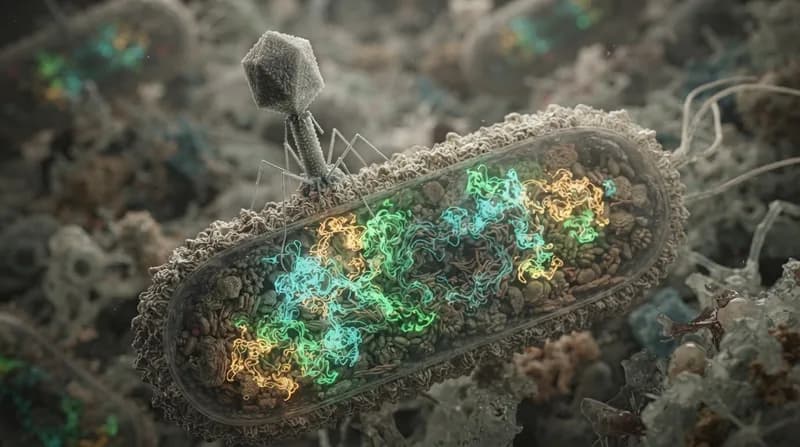
A groundbreaking study has introduced a novel, hollow nanoreactor that draws inspiration from the structure and function of living cells to produce hydrogen peroxide more efficiently under visible light illumination. This technological advancement has significant implications for the development of cleaner and more sustainable chemical manufacturing processes.
Key Insights
The nanoreactor, designed as a hollow CdS@polydopamine structure, successfully replicates key features of biological cells, including a dynamic catechol/o-benzoquinone redox pair. This redox pair acts as a proton relay, enhancing proton-coupled electron transfer rates. Notably, the nanoreactor achieved a hydrogen peroxide photosynthesis rate of 3.24 mmol gcat.-1 h-1 and a solar-to-chemical conversion efficiency of 1.2% under visible-light conditions, demonstrating its potential for efficient solar energy utilization.