Mapping the Biological Basis of Long COVID
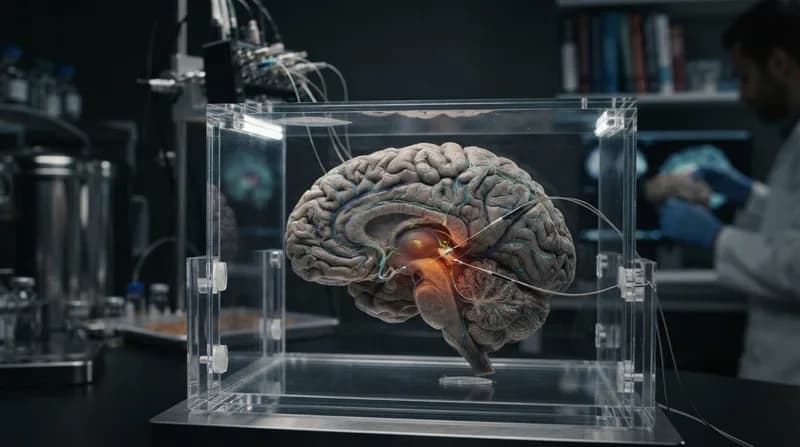
For millions worldwide, the lingering effects of a COVID-19 infection—frequently summarized under the umbrella of 'long COVID'—have remained a medical mystery. While patients have long reported debilitating fatigue, cognitive 'brain fog,' and a total loss of motivation, objective clinical markers have been frustratingly elusive. A groundbreaking study published in eBioMedicine and led by the Centre for Addiction and Mental Health (CAMH) has now provided what may be the strongest evidence to date: long COVID is physically damaging the brain's dopamine-releasing neurons.
Using high-resolution positron emission tomography (PET) scans, researchers compared the brain chemistry of long COVID patients against healthy control groups. The imaging focused on markers indicating the integrity and density of dopamine nerve terminals. The results were stark: individuals struggling with long COVID showed significantly reduced marker levels across all primary regions of the striatum—a critical area of the brain responsible for regulating movement, executive decision-making, and emotional motivation.
Linking Neural Damage to Specific Symptoms
The study went beyond merely identifying damage; it successfully mapped specific regions of neural degradation to the clinical symptoms experienced by patients. The research team discovered that the location of the dopamine neuron loss directly correlated with the patient's primary complaint. For instance, reductions in the ventral striatum were closely tied to a profound loss of motivation, while damage within the dorsal putamen corresponded with reports of slowed physical movement. Furthermore, lower levels in the caudate putamen were linked to the memory and concentration issues often described as brain fog.
This discovery builds upon earlier research from the same team, which had previously identified persistent brain inflammation in post-COVID patients. The current study bridges the gap between those findings, suggesting that chronic inflammation likely injures the delicate dopamine-releasing neurons over time. This dual-pronged evidence creates a more cohesive biological roadmap of how the virus impacts the central nervous system long after the initial infection has cleared.
The Road to Therapeutic Intervention
Perhaps the most significant aspect of this research is its potential to shift the trajectory of clinical treatment. Because the medical community now has evidence that dopamine pathways are specifically compromised, clinicians can begin exploring targeted interventions. The researchers are already preparing for a clinical trial in the coming months, which will investigate whether existing medications—such as dopamine precursors or inhibitors of dopamine metabolism—can safely restore function and alleviate the most crushing symptoms of the condition.
Why it Matters
- Validation: The findings provide a long-sought biological explanation for symptoms that many patients previously felt were ignored or dismissed.
- Targeted Treatment: By identifying the dopamine system as the primary site of damage, doctors can move away from broad symptom management toward specific neuro-pharmacological interventions.
- Clinical Trials: The upcoming collaboration between CAMH and the University Health Network marks a shift toward bridging the gap between neurological research and practical, evidence-based mental and physical healthcare.
As the scientific community prepares to test these new therapeutic strategies, this research offers a genuine sense of hope to those suffering from long-term post-viral complications. By shifting the focus from general inflammation to specific dopamine circuit restoration, the study paves a new, evidence-based path toward helping long COVID patients reclaim their quality of life.