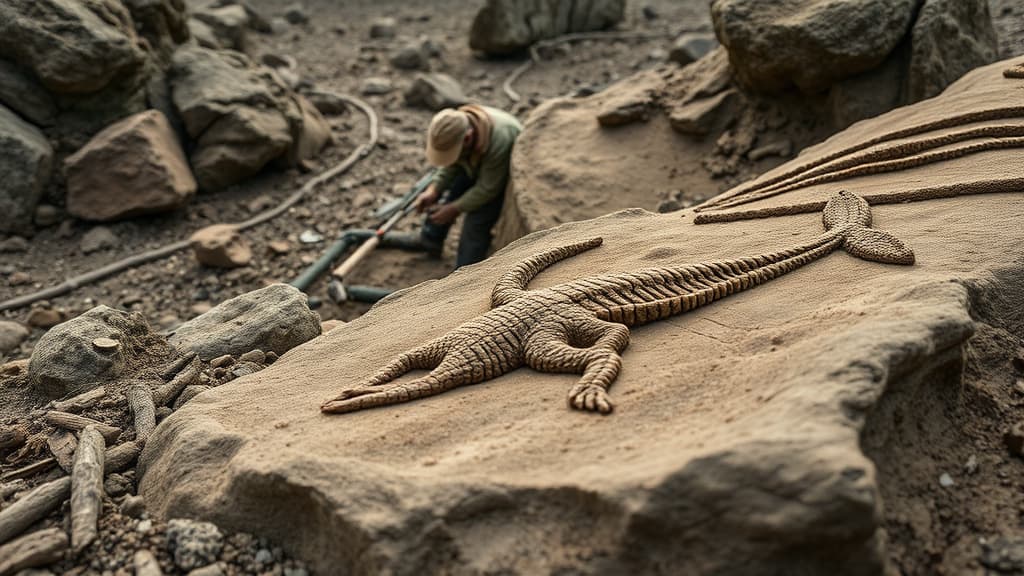
The revelation of these ancient fossils has sent shockwaves through the scientific community, as they may be the earliest known examples of animals that could move, reproduce sexually, and develop distinct body structures. This discovery not only pushes back the timeline of key evolutionary milestones by up to 10 million years but also provides unprecedented insights into the origins of animal life on Earth.
Key Insights
The fossils, found in Canada's Northwest Territories, are approximately 567 million years old and showcase characteristics of early animal life, including mobility, sexual reproduction, and the development of recognizable body plans. These findings support the theory that complex animal life may have first thrived in the deep ocean, challenging previous understandings of how and where animal life initially flourished.