Bridging the Digital Divide with AI
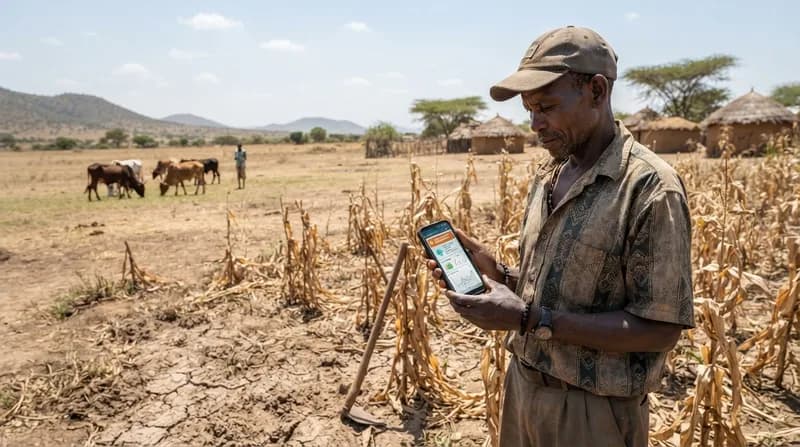
As weather patterns become increasingly erratic due to climate phenomena like El Niño, smallholder farmers across Africa are facing unprecedented challenges in maintaining crop yields. To combat this uncertainty, a new initiative spearheaded by Opportunity International is leveraging the ubiquity of WhatsApp to deliver actionable, AI-generated agricultural insights directly to the people who need them most.
Led by experts like Tim Strong, this project transforms complex meteorological and agronomic data into accessible, localized advice. By using a simple chat interface, farmers can receive customized recommendations on which crops to prioritize and precisely when to plant them. This shift from traditional, often delayed, farming practices to data-driven strategy helps mitigate the significant financial risks associated with unpredictable rain cycles and heatwaves.
Why It Matters
- Accessibility: By utilizing WhatsApp, the tool lowers the barrier to entry, requiring no specialized hardware beyond a standard smartphone.
- Economic Security: Early, accurate planting advice prevents the waste of expensive seeds and fertilizers, protecting the livelihoods of small-scale farmers.
- Scalability: The AI backend can process regional weather data at scale, providing individualized guidance to thousands of users simultaneously.
The core philosophy behind this development is the reduction of uncertainty. In rural agricultural settings, a singular decision regarding when to sow can mean the difference between a bountiful harvest and total crop failure. By integrating advanced AI models with local market and weather data, the platform acts as a digital consultant in the pocket of farmers who have historically been left behind by technological advancements. As the technology continues to mature, it offers a scalable blueprint for how AI can provide practical, life-changing support for essential industries facing the frontlines of climate change. The focus remains on simplicity and speed, ensuring that farmers can pivot their operations instantly in response to the latest environmental shifts.