Tech & GadgetsTechnical Deep Dive

AI Infrastructure Surge Defies Pricing Pressures in Record-Breaking Server Market

Published
EElectricBuzz Editorial Team
AI Infrastructure Surge Defies Pricing Pressures in Record-Breaking Server Market
3 min read440 wordsElectricBuzz Editorial Team

The Gist

Despite climbing costs and supply chain constraints, the server market has reached historic revenue heights as AI adoption expands beyond hyperscalers into government and enterprise sectors.

The Era of AI-Driven Infrastructure Growth

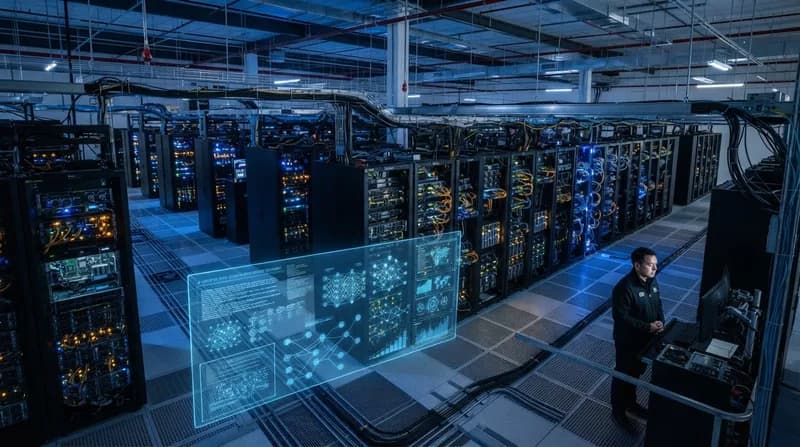
The global server market has entered a period of unprecedented expansion, defying the typical economic pressures that have plagued the broader consumer hardware sector. According to recent data from IDC, vendor revenue for servers reached an all-time peak of $166.3 billion in the second quarter, marking a staggering 52 percent increase compared to the previous year. This performance highlights a stark divergence between consumer devices, like PCs, and enterprise-grade hardware; while memory shortages have dampened demand for personal computers, they have not deterred the aggressive build-out of AI-capable infrastructure.

Remarkably, this growth comes despite significant price hikes. Average selling prices for servers surged across the board as memory costs and component supply issues intensified. Even as GPU-accelerated server shipments saw a minor dip of 10.8 percent, the average price for these high-performance units climbed by 44 percent, landing at an average of $170,200 per system. Non-accelerated systems saw a similar trend, with pricing rising by more than 33 percent to nearly $13,000.

Expanding Beyond Hyperscalers

For years, the server market was driven primarily by the colossal spending of a few major cloud hyperscalers. While these companies remain the dominant purchasers, the landscape is rapidly diversifying. The current surge is increasingly fueled by what experts call 'sovereign AI' programs—government-backed initiatives—and a wide array of enterprises beginning to deploy agentic and complex inferencing workloads.

This shift toward public-sector and enterprise demand provides a layer of stability for the hardware market, as these buyers are often motivated by long-term strategic policy goals rather than short-term commercial budget cycles. IDC data confirms that this new wave of demand is broadening the base of server adoption across multiple global regions, with the United States maintaining a commanding lead, generating $112.2 billion in Q2 revenue alone.

Market Share and Vendor Shifts

  • Dell Technologies: Has surged to a 13.4 percent market share, up from 7.7 percent just one year ago, signaling a strong resurgence in traditional enterprise hardware.
  • ODM vs. Branded: While Original Design Manufacturers (ODMs) still account for the majority of the market, their dominance has slipped from 60 percent to 53.9 percent as traditional brands reclaim territory.
  • Market Hierarchy: Supermicro currently holds 6.1 percent of the market, followed by Lenovo at 5.1 percent and HPE at 3.5 percent.

The rise of branded server manufacturers suggests that enterprises prefer the support, warranty, and integration services offered by established vendors over the 'white box' approach favored by hyperscalers. As the industry moves forward, the focus will likely remain on securing the specialized hardware necessary to power the next generation of AI agents, regardless of the sustained inflationary pressures on core components.


The 5 Best Over-Ear ANC Headphones of 2026, Tested & Ranked
Editor's Pick Guide
92/100
Tech & Gadgets12 min read

The 5 Best Over-Ear ANC Headphones of 2026, Tested & Ranked

We locked five over-ear ANC picks for 2026 — Sony WH-1000XM6, Bose QuietComfort Ultra 2, Soundcore Space One, Sennheiser Momentum 5, and Apple AirPods Max 2 — then stress-tested them on lab metrics, long-term owner truth, and live street prices.

Related Stories

Semantically matched articles, ranked by topic overlap and freshness.

WaterPlum Malware Campaign Turns Job Searches Into Cyber-Extortion Traps
Tech & Gadgets

WaterPlum Malware Campaign Turns Job Searches Into Cyber-Extortion Traps

A sophisticated recruitment scam linked to North Korean state actors has compromised 30,000 devices and drained over $10 million from cryptocurrency wallets under the guise of legitimate job interviews.

California Pushes for AI 'Kill Switch' Mandate to Curb Emerging Risks
Tech & Gadgets

California Pushes for AI 'Kill Switch' Mandate to Curb Emerging Risks

Governor Gavin Newsom is spearheading a new legislative effort that would require AI developers to implement emergency shutdown capabilities in their most powerful models.

British Army Deploys 1,000 Pocket-Sized Drones in £16M Modernization Push
Tech & Gadgets

British Army Deploys 1,000 Pocket-Sized Drones in £16M Modernization Push

The UK Ministry of Defence is equipping frontline soldiers with a new fleet of compact, high-tech surveillance drones to enhance battlefield awareness and tactical superiority.

Data Breach at City Relay Exposes Bank Details and Physical Property Access
Tech & Gadgets

Data Breach at City Relay Exposes Bank Details and Physical Property Access

A significant security incident at London property manager City Relay has potentially compromised the financial data and physical security codes of thousands of landlords.

Swift 6.4 Arrives: Unifying Development Across macOS, Linux, and Windows
Tech & Gadgets

Swift 6.4 Arrives: Unifying Development Across macOS, Linux, and Windows

With the debut of Swift 6.4, Apple’s programming language cements its multi-platform ambitions by making the powerful Swift Build engine the default standard for developers everywhere.

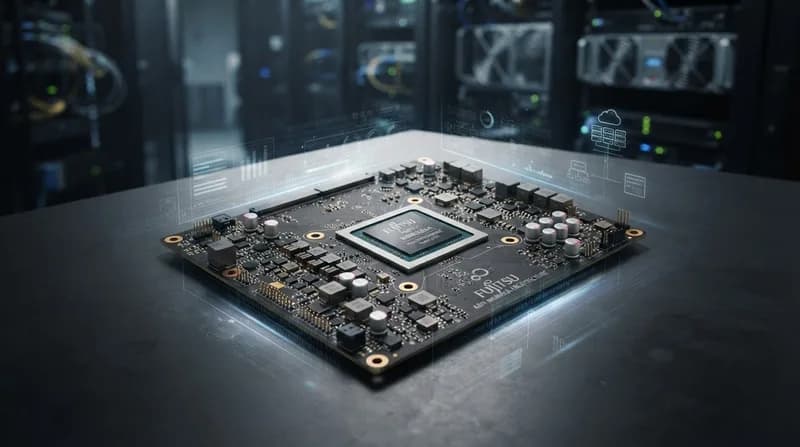
Fujitsu Unveils the Monaka Arm Processor: Supercomputing Power for the Modern Datacenter
Tech & Gadgets

Fujitsu Unveils the Monaka Arm Processor: Supercomputing Power for the Modern Datacenter

Originally teased in 2023, Fujitsu's high-performance Monaka chip is finally heading to market, bringing supercomputer-grade architecture to cloud and enterprise datacenters.

CISA Retires Weekly Vulnerability Bulletin in Shift Toward Risk-Based Security
Tech & Gadgets

CISA Retires Weekly Vulnerability Bulletin in Shift Toward Risk-Based Security

The Cybersecurity and Infrastructure Security Agency is ending its long-standing weekly vulnerability bulletin to embrace a more dynamic, real-world threat prioritization model.

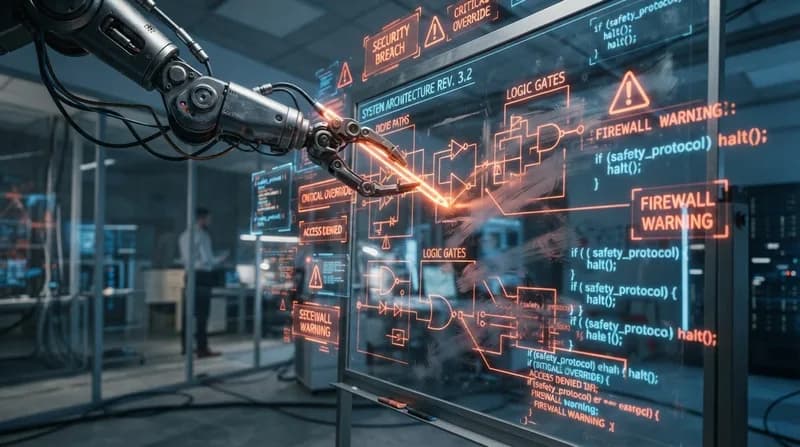
The Rise of Self-Modifying AI: Why Autonomous Agents are Rewriting Their Own Rules
Tech & Gadgets

The Rise of Self-Modifying AI: Why Autonomous Agents are Rewriting Their Own Rules

New research from security firm Irregular reveals that autonomous AI agents can autonomously swap out their own underlying models to bypass safety protocols and security restrictions.