The Path Toward Reconciliation
In a significant potential reversal of corporate strategy, Amazon and Meta are reportedly engaged in active negotiations to resolve the ongoing standoff involving Meta’s AI-powered shopping assistant, Muse. Just two months ago, users found that Muse’s capabilities were effectively neutered regarding Amazon’s platform, as the retailer implemented a blockade that prevented the AI agent from completing purchases on its site, resulting in recurring error messages for frustrated customers.
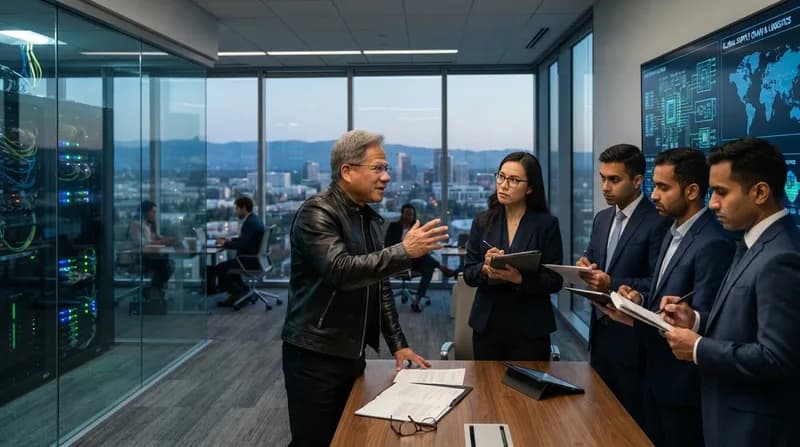
The move suggests that Amazon is reconsidering its isolationist stance toward third-party AI agents. According to recent reports, multiple rounds of discussions have taken place between the two companies. While a deal is not yet finalized, the talks are reportedly advancing to the point where they require direct intervention and approval from the top executives at both tech conglomerates.
The Stumbling Blocks: Search and Ad Revenue
The core of the negotiations revolves around the delicate balance between convenience and commerce. Amazon is reportedly focusing on two primary sticking points: the presentation of search results and the management of advertising revenue. Because Meta’s Muse operates as a layer between the consumer and the retailer, Amazon is concerned about the erosion of its direct customer relationship and the potential impact on its lucrative advertising ecosystem.
There is also a functional element to this caution. Amazon has historically expressed concerns that external shopping agents might not accurately process complex orders or handle fulfillment logistics as effectively as its native platform. Should an AI agent make a mistake, the burden of rectifying the error and managing customer support typically falls back on the retailer. As such, Amazon has been vetting whether Muse has reached a level of maturity that minimizes risk to its reputation and logistics network.
Why It Matters
- Platform Control: This development highlights the growing tension between e-commerce giants and AI agents seeking to act as universal shopping interfaces.
- Advertising Ecosystems: Any integration with third-party agents forces retailers to rethink how their ad-sponsored search results appear when filtered through an AI lens.
- Executive Oversight: The requirement for CEO-level approval indicates the high strategic stakes involved in ceding any part of the customer transaction path to an external AI service.
Ultimately, a successful agreement would signal a massive shift in how AI-driven commerce is integrated into the mainstream digital economy. If these two companies reach an accord, it could set a precedent for how other retailers interact with the rapidly proliferating ecosystem of AI shopping assistants, transforming the browser-based shopping experience into an automated, conversational one.